
Opinion & Analysis
A lob wedge is the most dangerous club in your bag—and not in a good way

For professional golfers, a 60-degree lob wedge around the green could be classified as a surgical scalpel. Many pros—most notably Phil Mickelson—have built their reputations on the ability to hit miraculous recovery shots with these higher-lofted clubs. Phil has even gone as far as carrying a 64-degree wedge for extreme situations where it might come in handy.

For regular golfers though, higher-lofted wedges can end up being anything but scalpel-like, unless you plan on using one to shred your scorecard after the round. Higher lofted wedges can become a massive liability because of their limited margin for error and the speed at which they are swung. This is also why we see so many people trying to innovate in the wedge market—small changes for regular golfers can make a noticeable difference.
The benefits and dangers of the lob wedge
Being able to effectively use a lob wedge can save a lot of shots around the green, especially when faced with a short-sided up and down or a difficult buried lie, but the hardest part of an open-faced lob wedge shot is repeatability. It’s why you can feel like a hero on one hole, and a complete failure on the next—because the ball ended up exactly where it started…or it ends up on the other side of the green…

We’ve all done it!
Professionals at the highest level have the benefit of hitting these shots countless times in practice over and over, not just at their home course but week to week in varying conditions on different grass types. Most golfers don’t have this luxury, and without practice or understanding the dynamics of hitting the shot properly, the failure rate goes up quickly. This is why reasonable expectations, good decision making, and simple technique changes can make a big difference.
The WHY?
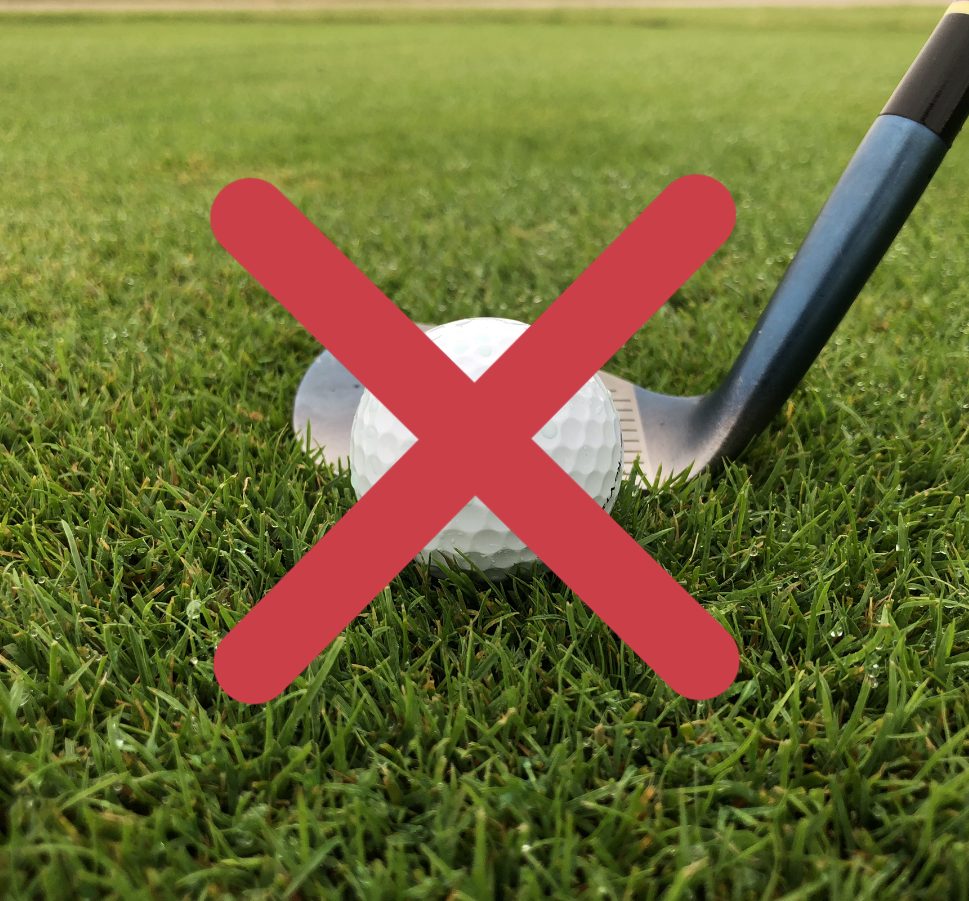
Wedges with 60 degrees of loft (and even 56 in some cases) look easy to hit since they have large faces which in turn equals greater surface area to make contact but face area versus effective face area to make contact are two completely different things.
-

- 60° Lob wedge from address, in open playing position
-

- 60° Lob wedge from ground view, in open playing position
Compared to a club with less loft, the most extreme being a driver, there is a smaller effective area to make contact and transfer energy to the ball, and beyond the transfer of energy, any club that has an effective loft of more than 50 degrees at impact will be more difficult to control in less than perfect conditions since the coefficient of friction decreases. That means you have less control over launch parameters including spin, which on short shots is one of the biggest components to stop the ball close to the intended target.
Solutions to your wedge problem
This one is the most obvious, but it’s also the least exciting: practice. By dedicating valuable practice time to the short game, you can quickly see improvements. Practice helps ingrain “feels” in your technique and also helps build up the knowledge to analyze ground conditions and lies to know which club to hit and how to play the shot.

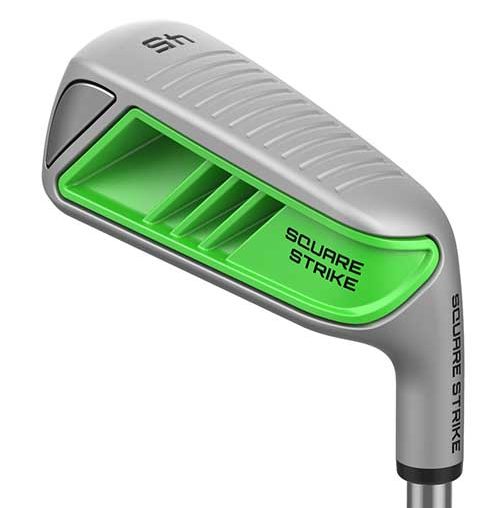
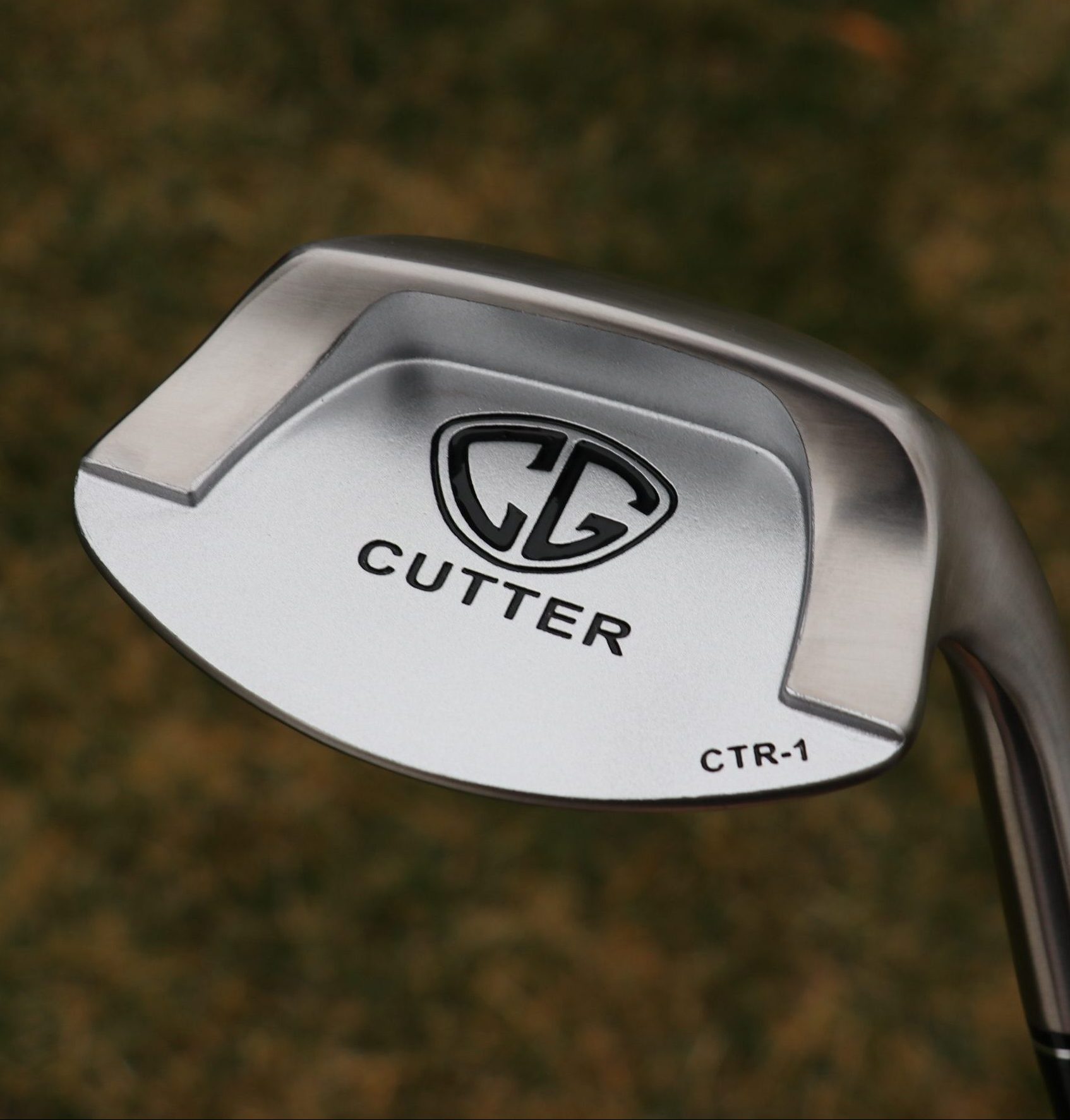
The second option is a new wedge—come on, who doesn’t want a new wedge? Whether it be based on loft, bounce, or sole configuration, getting set up with the right tools can make a world of difference, especially if what you are using now is ill-fit to your game. If you really struggle with the short shots around the green and are willing to admit that practice isn’t an option, I highly recommend trying a specialty club designed to make the game easier. I know it’s not the “sexy” option but something like the Cutter CTR1 wedge: Cutter wedge -here to help, or a Square Strike wedge for chipping can make golf fun and easier.
Learning to hit different shots, and making simple changes to how you approach the hole can make a huge difference very quickly to your game. This can involve choosing to hit more low running square faced shots with lower lofted-clubs like a 9 or 8-iron, or if you are still trying to be as aggressive as possible, learning to hit delofted shots with your higher lofted wedges which can also help create more spin. If possible, taking a short game lesson with a teacher can be truly game-changing with a few simple technique adjustments.
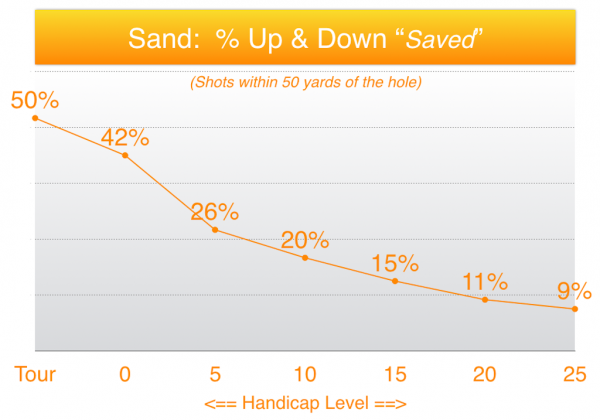
Understanding where you loose shots can help you save them
Last but not least, managing expectations can help take the pressure off when hitting shots around the green and help you make better decisions, leading to lower scores. Instead of trying to hit a “hero” flop shot over a bunker from a bad lie, aim for a larger part of the green and give yourself a better opportunity make your next shot—again not a magic cure, but if you do this a few more times in a round of golf, you can turn those wedges into weapons—and not weapons of self-destruction.





Aronimink is not a storied club, but when Donald Ross himself proclaimed it to be as good as he can design and build, one had to take notice. Jay Sigel was the pre-eminent male amateur golfer from the mid-1970s to the mid-1990s. He might have called any number of Philadelphia clubs home, but he chose Aronimink. It served him well. Gary Player won a PGA Championship here in 1962, and was followed by the 1993 winner … nobody. Aronimink gave that event away to Inverness, for reasons of which it is certainly not proud. So be it. We had to wait sixty-four years for the PGA to return to Newtown Square, but here we are. Aronimink has been neo-restored by Gil Hanse and team, to return Ross features with an eye toward defense against the dark arts, errrr, high-tech equipment.
Day one saw Rory McIlroy and Bryson DeChambeau dig big holes, to the tune of plus-four and plus-six, respectively. Since the first-round lead will be minus-three at worst, many shots will need to be made up for the power couple to reach contention. By nightfall, seven golfers held the day-one lead at three-under par 67. Shots and sticks caught our attention, and we are proud to present Five Things We Learned on Tech Thursday at the 2026 PGA Championship. Thanks to InsideTourGolfer, Today’s Golfer, and GolfWRX for initial equipment research.
First, meet Min Woo Lee
Min Woo Lee, aka Dr. Chipinski, has once again thrust himself into the conversation of Can he, will he, when will he? Lee has so much talent, wins not nearly as often as we believe that he should, and has no major near-misses (much less titles) on his wiki. The young Aussie is getting older and wiser, but is he able to avoid the scarring that holds the older and wiser back from breaking through? Philadelphia offers another opportunity. Min Woo signed for five birdies and two bogeys on day one, and grabbed a share of the opening-day lead at Aronimink. Winners transcend history and the moment, and Lee will need that sort of ascent to lift the Wannamaker on Sunday.
Second, meet Aldrich Potgeiter
The young South African golfer can rip driver with the best of them. Aronimink tips out at nearly 7400 yards, but beyond the fairway bunkers that ensnare only the mortals, Potgeiter can take his chances with wedge from the rough. On Thursday, he spent plenty of time in the spinach. Like Popeye, he used his muscles to gouge and thrash and dig his way out. Six birdies against three bogeys on the card brought AP in a three deep.
Third, meet Martin Kaymer
Not a major event takes place without a where’s he been throwback moment. We know that Martin Kaymer left the PGA and DP World tours for LIV golf, but the two-time (US Open and PGA) major winner has a lifetime exemption into at least one major event, and he seizes the opportunity each May. Kaymer joined the six-seven brigade with four birdies and a solitary bogey on day one. Kaymer was never a long hitter, and the years are kind to no golfer. The German champion will need to uncork every bottle of guile and strategy in his cabinet to remain in contention. For today, though, he occupies a rung on the ladder of Tour Tech.
Fourth, meet Scottie Scheffler
Let’s see, he’s the defending champion at the PGA, and he found his way back to the top tier with five birdies against two bogeys. To be a favorite and then play up to that stature and expectation is quite difficult. Just ask Rory, Bryson, and some of the other pre-tournament heartthrobs. Scheffler’s game is complete, and to knock him off the OWGR #1 pedestal, one needs to defeat him at the majors. Aronimink is the sort of course that fits Scheffler’s game. Better yet, it unfits the game of many of his challengers. Don’t expect Scheffler to go away anytime soon. Come Sunday, he’ll be around.
Fifth, meet Stephan Jaeger
Clocking in for the unheralded players shift are Ryo Hisatsune and Stephan Jaeger. Hisatsune logged seven birdies on day one, but gave most of them back with four bogeys. Still, he’s tied at the top for a time. Jaeger pitched five birdies against two bogeys, including a run of three consecutive, from holes four through six. Odds are that one of the two will hang around through 36 holes. Odds also suggest that both will be gone by Saturday evening. Still, the PGA Championship has historically been the major most likely to be won by an under-known. Both Hisatsune and Jaeger feature on that list, so good luck, lads!

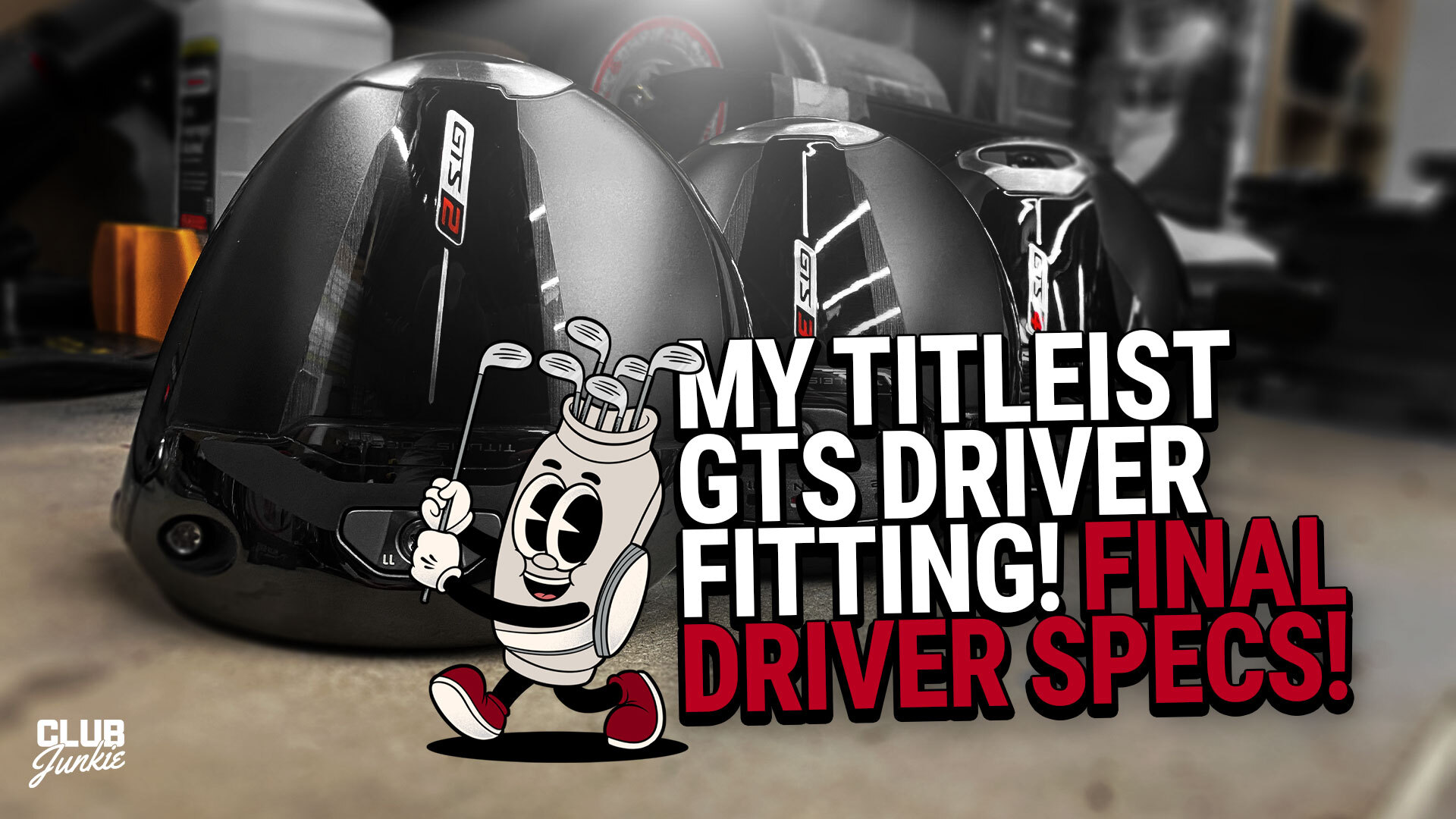
On this episode of the Club Junkie Podcast, I head to the Titleist Performance Institute for a full driver fitting with the new Titleist GTS lineup. We dive into the fitting process, talk about what made the biggest difference in performance, and break down how the different GTS heads and shaft combinations compare on the launch monitor. If you are thinking about a new driver setup for this season, there is a lot to take away from this one.
I also get into Brooks Koepka and the gear setup he brought to the PGA Championship, including the putters that caught my eye during the week. There are some interesting equipment trends showing up at the highest level right now and we break down what stands out.
To wrap things up, I talk about reshafting a few wedges, what I learned during the process, and swapping an adaptor onto a new shaft for another build project in the shop. A gear packed episode from start to finish for anyone who loves golf equipment and club building.
Follow Club Junkie everywhere:
Instagram: https://www.instagram.com/clubjunkiepod/
X: https://x.com/ClubJunkiePod
TikTok: https://www.tiktok.com/@clubjunkiepod
Threads: https://www.threads.com/@clubjunkiepod
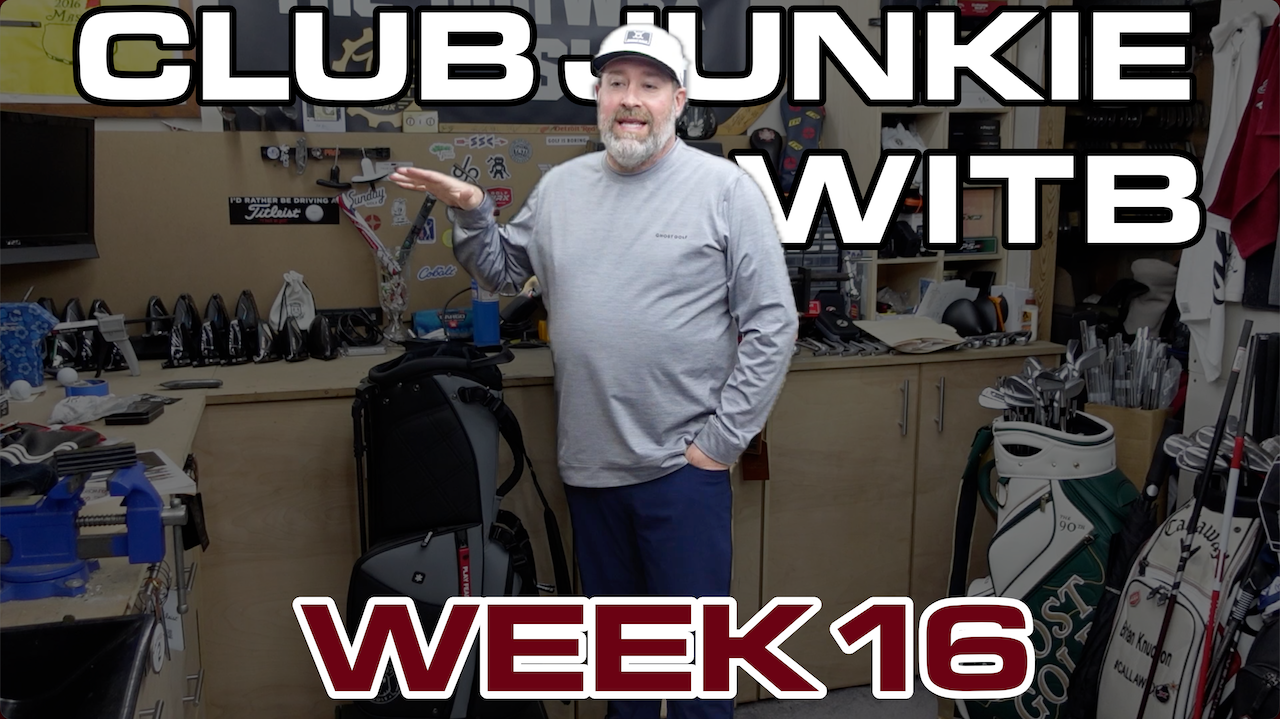
Excited for this week’s WITB as we get to add the new Titleist GTS woods to the bag! I was fit at Titleist’s TPI facility in Oceanside California a few weeks ago and my new clubs just showed up. I am also adding a cool set of irons that I built last year some wild custom wedges into a new golf bag. Speaking of the bag I have a new Ghost Anyday Black Ops stand bag that I will be using on my Motocaddy Remote M7 electric cart.
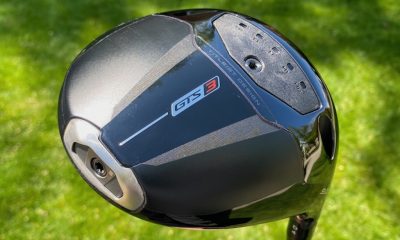
Driver: Titleist GTS3 (11 degrees @ 10.25)
Shaft: Fujikura Ventus Red 6s
3-wood: Titleist GT1 3Tour (14.5 degrees)
Shaft: Graphite Design Tour AD CQ-7s
5-wood: Titleist GTS (18 degrees)
Shaft: Fujikura Ventus Red 7s
9-wood: Titleist GT1 (24 degress)
Shaft: Fujikura Ventus Red 7s
Irons: Bettinardi CB24 (5-PW)
Shafts: KBS C-Taper Lite 110 stiff
Wedge: TaylorMade MG5 (50-09 SB)
Shaft: Mitsubishi MMT 125 Stiff
Wedge: TaylorMade MG5 (56-12 SB)
Shaft: Mitsubishi MMT 125 Stiff
Wedge: TaylorMade MG5 (60-08 LB)
Shaft: Mitsubishi MMT 125 Stiff
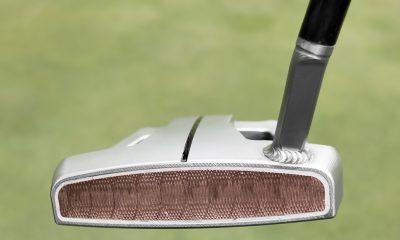
Putter: Dan Carraher ZT Proto
Ball: Callaway Chrome Tour
Bag: Ghost Anyday Black Ops Stand Bag

Justin Rose WITB 2026 (April): Full WITB breakdown with new McLaren irons

RBC Heritage Tour Report: More minis, course-specific setups, Spider & GTS launches

What’s the story behind Webb Simpson’s custom-stamped irons?

Cadillac Championship Tour Report: Spieth’s sizable changes, McLaren Golf launches, and more

Kristoffer Reitan’s winning WITB: 2026 Truist Championship

Cameron Young’s winning WITB: 2026 Cadillac Championship

Aaron Rai’s winning WITB: 2026 PGA Championship

Nelly Korda WITB 2026 (April)

Justin Rose on the switch to McLaren Golf, learnings from previous equipment moves

Photos from the 2026 PGA Championship


Patrick Reed WITB 2026 (May)
Driver: Titleist GT3 (9 degrees) Buy here. Shaft: Aldila Rogue Silver 130 M.S.I. 70 TX 3-wood: TaylorMade Qi35 (15 degrees)...

Aaron Rai’s winning WITB: 2026 PGA Championship
Driver: TaylorMade M6 (9 degrees) Shaft: Aldilda Synergy Blue 70 TX 3-wood: TaylorMade Qi10 (15 degrees) Shaft: Fujikura Ventus Blue...


Michael Block WITB 2026 (May)
Driver: TaylorMade Qi4D (9 degrees) Shaft: Fujikura Ventus Black VeloCore+ 5 X 3-wood: TaylorMade Qi4D (15 degrees @14.25) Shaft: Mitsubishi...


Bryson DeChambeau WITB 2026 (May)
Driver: Krank Formula Fire Pro (6 degrees) Shaft: Project X Prototype 3-wood: Krank Formula Fire (10 degrees) Shaft: LA Golf BAD...
-
 Whats in the Bag3 weeks ago
Kristoffer Reitan’s winning WITB: 2026 Truist Championship
-
Whats in the Bag2 weeks ago
Aaron Rai’s winning WITB: 2026 PGA Championship
-
 Tour Photo Galleries3 weeks ago
Photos from the 2026 PGA Championship
-
 Equipment2 weeks ago
GolfWRX Launch Report: 2026 Titleist GTS drivers
-

 Equipment2 weeks ago
PGA Championship Tour Report: Fitzpatrick, Koepka among big-name putter switches for Aronimink
-

 News2 weeks ago
WITB Time Machine: Phil Mickelson’s winning WITB, 2021 PGA Championship
-

 Equipment2 weeks ago
Which of Tiger’s major winning irons are your favorite? – GolfWRXers discuss
-

 Equipment2 weeks ago
Lead Tape Report: Adjusting the swingweight of the Wanamaker Trophy


Pingback: The Different Types Of Golf Clubs: The Sand Wedge – The Annika Academy
Pingback: Unveiling the Secrets of Golf Wedges: Understanding the Different Degrees – PrestwickCountryClub.net
Pingback: What Degree Is An Approach Wedge? - Longleaf Golf
Pingback: When To Use Irons And Wedges On The Golf Course – The Annika Academy
Pingback: Purchasing Your First Set Of Golf Irons – FAQs
Pingback: From Sunday bags to club fitting: My favorite pieces of 2020 – GolfWRX
steve jenney
Oct 17, 2020 at 9:54 am
When I teach and I find a lot wedge in a 20 handicappers bag I say “there are only two people I know that can use this club” GOD and Tiger Woods! Michelson is so over rated its disgusting! Put in another hybrid or another wedge. 46, 49 52 and 56 at most.
Samsam
Jul 12, 2021 at 11:30 pm
It is scary you actually teach someone.
Dennis Beach
Aug 8, 2020 at 10:05 am
I usually use my 60* to make full swing shots. Trying to finesse a lob with a half swing is better left to the pros. Greenside bunkers where the green is higher than the sand is my go to 60* shot, especially if the green is eye level when you are in the bunker, as it requires a full swing to get up and on most of the time. My 56* is my all around chip/pitch club within 50 yards of the green. If the ground is level, I will use a pitching(46*)wedge to bump and run. I carry a 52*, but use mostly on full shots inside 100 yards of the green.
christian
Aug 1, 2020 at 1:33 pm
Hitting a lob wedge doesn’t need to be some big mysterious event. It’s the same as the rest of the irons in you bag. Keep your hands ahead of the ball at impact and you can hit a lob wedge just as effectively as a 4 iron. I don’t care if you’re hitting a one hop and stop pitch or a high soft lob, keep your shaft leaning forward and hands ahead of the ball at impact and you’ll hit 90% of them just fine. Everyone gets freaked out about 60 degree wedges for some reason and in the end, it’s just a club that needs a little practice to figure out…but then again, don’t all of your clubs need that.
ChipNRun
Jul 30, 2020 at 7:29 pm
Two things to decide on LWs:
* Can you hit a 60* reliably? If not, go with a 58*.
* Whether it’s a 60* or 58*, you need to pull firmly through the shot with the left side. If not, you’ll come up short a lot on your LW.
Once you resolve these two points, remember: a LW is not an all-occasions club. If you hit a lob into a green with a false front, don’t be surprised if the ball spins back to your feet. In this case, go to a chip and run if you’re going uphill slightly.
I saw this happen several times from the U.S. women in the 2014 Curtis Cup. The U.S. would lob into the false front and die, or spin back, while the British/Irish women would roll a chip-and-run in close for an easy tap-in. (Fortunately, the US women were dropping iron-shot darts into the green from the fairway, and eventually won out.)
Par-Tee-Animal
Jul 29, 2020 at 9:52 pm
Honestly, I think most of Ryan’s work is just product of boredom. This article is so lazily written that the only data he provides is a percentage of “sand saves” with no data on what kind of wedge was used during those attempted “saves”.
Also on a similarly and ironic note, he includes a meme about skulling a sand wedge 170 yards from a bunker. What degree is a sand wedge again? Oh that’s right it’s between 54-57 degrees, so he’s basically invalidated his argument in one meme.
How often are you going to open the face of a 60* lob wedge in a bunker or around the green? Hardly ever, want to know why? Because it has 60* of loft unlike the 56* everyone opens up and sweeps through the bunker with that has the added repercussion of higher bounce which leads to more skulled shots than a 60* with lower bounce.
Now are lob wedges for everyone? Certainly not, there are guys like Lee Trevino who only carried a wedge as high as 54* and had a successful career. But for someone who want a little more confidence to land a nice soft shot onto the green over a bunker or even a water hazard they’re a nice tool to have. Why work on building a whole new swing for one shot when you can buy a club that effectively has the same mechanics?
Ryan, I highly encourage you to rethink your Op-Ed articles as they’re basically non-educated opinions by someone who speed out articles that read like Buzzfeed headlines.
I saw your latest post about club makers and gourmet chefs being similar, maybe it’s time for you to hang up the carry bag and take up cooking. At least that way everything is already measured out for you so you don’t have to try to use any critical thinking which you seem to lack.
PATRICK CARROLL
Jul 29, 2020 at 3:23 pm
When i was a 25 handicap (maybe more that’s just a guess), I used a lob wedge often and ineffectively. Probably rarely at the right time. It probably didn’t help my score like using a 9 iron to bump and run would have. But it was fun.
I’m officially a 12 handicap now. The big difference is I know the shots I CAN hit and know the shots I SHOULD hit. That combination means i spend most of my time using my 54* with great success. But, when I need to play a high, short, soft shot, I can do it with moderate success. Certainly much better than I could with an open faced 54 or lower.
In short. Know the FEW shots and scenarios you NEED a LW and be diligent in using the club ONLY for those shots.
Evan
Jul 27, 2020 at 12:08 pm
Why, when facing a short shot that needs to fly high and land softly, wouldn’t a LW be helpful, regardless of handicap- in fact probably more helpful to a less skilled player?
JackCi
Jul 27, 2020 at 8:15 am
This is a dumb article. I use my 60* a lot and also any other club down to a 7 even around the green. The 60* is nothing short of s godsend around the green and one of the easiest clubs to hit. Whoever wrote this is a hack and should retire.
BWeez
Jul 25, 2020 at 2:34 pm
A 60 degree wedge is useless and isn’t worthy of the slot in the bag, you’d be better off with a driving iron. My 56 degree is the most effective club in my bag and I use it in a million different situations. It is also the club I practice with the most. Anyone who puts anything above a 48 degree in their hand and hasn’t got serious reps with it is hoping to get lucky.
Justin
Jul 21, 2020 at 3:58 pm
I think this article has some credence. I have a 60 degree wedge and used many different kinds of grinds and bounces in the past. It is in the grinds and bounces that I think can benefit each player the most. Once the player understands what is best utilized for them can the wedge be beneficial. I have though found lately I have gravitated to more my 56 and 52 on standard wedge shots and pitches and only using my 60 in specialty situations. It is quite a low bounce so it comes in handy on tight lies and firm bunkers. It has a decent amount of heal and toe relief. I am a low single digit handicap. Not sure if thats any relevance to the situation but I always used to just use a 60* form anywhere. Have found since I expanded the 56 and 52 it has allowed me greater control over being able to keep the flight down and get the ball running on the green faster.
Bas
Jul 20, 2020 at 5:13 am
I’m a 38 handicap and have a 60 degree Cleveland CBX in the bag. It is incredibly easy to hit, more so than my SW and AW (Callaway Rogue). I just put the ball in the middle of my stance, weight 50/50 and swing through the ball nice and easy. Nothing fancy. Love it from the sand as well.
Although at my level I have never even thought about ‘opening up’ a 60 degree wedge. Why on earth would you do that? Isn’t the point of a 60 degree that you don’t have to open up your 54 degree? i would think that 60 would be enough.
nomad golfer
Jul 20, 2020 at 12:01 am
I use a Lovett chipper wedge for getting out of sand traps otherwise it just stays in the bag. My reliable short range club is a sand wedge which I don’t use in sand !.
Yeah it’s a funny game.
Jonas Henderson
Jul 19, 2020 at 9:05 pm
Exactly what audience are you addressing here? A lob wedge is an entirely legitimate tool for many serious golfers. I bet among single digit hcp players, most would say it’s indispensable. Among mid-cappers, I bet a good proportion wield it with decent competence, especially, if they use it for standard chips and pitches, and not hero shots.
I’d wager the 3w has destroyed more rounds than LWs ever have.
gwelfgulfer
Jul 29, 2020 at 11:46 am
I’d easily take that bet. The LW has far more potential use in a round than a 3wd does for the vast majority. More so if they aren’t hitting a good % of GIR’s and blindly grab the 60* for each and every situation.
Simms
Jul 19, 2020 at 10:26 am
If you play public golf I find it a lot easier to find a place to practice 58 degree lob and chip shots then any other shot…almost no one in the public course arena has a 100 yard grass to a real green practice area and for most of us 75% of driving ranges are mats (almost a waste of time for short iron and fairway wood practice). So I keep a 58 in my bag because I have practiced with it till it works.
Tom Duckworth
Jul 19, 2020 at 10:15 am
I think Phil made the idea of a lob wedge popular for many golfers and that has probably hurt their games. In many weekend golfers minds their idea of the short game is to hit a high shot that lands close to the hole and stops, no matter what the shot really calls for. I guess a low running chip isn’t as sexy as a high lob but I’ll take closer to the hole any day.
Matt70
Jul 18, 2020 at 1:35 pm
I only carry 46° and then 54°. Keep it simple. +0.2 hcap
Duane Martin
Jul 18, 2020 at 1:08 pm
I still carry my Ping Eye 2+ SW instead of lob wedge…..57.5 degrees, double bevel sole, 64.5 degrees of lie angle.
Best “SW” ever made imo…. easy to flop, easy to hit 80 yards and easy to hit all green side bunker shots with.
But like everyone else has said….. practice goes a long way towards perfection.
Rascal
Jul 18, 2020 at 12:04 pm
I agree, don’t see the need to take up the bag spot when I can use the 3i instead.
Mac
Jul 18, 2020 at 3:43 am
Technique is king!
gwelfgulfer
Jul 19, 2020 at 2:34 pm
Pretty well this. Golf is hard, even harder to play very well and the vast majority of players in the world have had little to no actual quality instruction, little to no practice (or practice poorly because of lack of knowledge) or actual drive/ability to get better.
Dicklaus
Jul 17, 2020 at 7:06 pm
I’ve been a Cat 1 golfer for the best part of 50 years. The whole basis of the short game is to get the ball on the ground as soon as possible – unless you’re forced otherwise.
I tried a LW once and realised it was an unreliable club – unless I was prepared to put in a lot of practice.
It was also evident that a better strike, and the same result as a LW, was possible by opening up my 54 SI.
In other words, the shot I’d learnt as a kid & used for decades.
Different strokes for different folks!
Dan
Jul 17, 2020 at 6:13 pm
I was a scratch when 95% of players didn’t carry a lob wedge, myself included. You practice enough you can hit anything.
Richard Pym
Jul 17, 2020 at 4:39 pm
For me it’s all about course management a good player knows most of the time what type of shot to hit around the green. I think that the slightly higher handicappers sometimes try to hit the miracle Mickelson esq flops shots they have seen from TV rather than taking the easier shot for say bogey and walking away with 1 or 2 points rather than a blob.
Bob Jones
Jul 17, 2020 at 3:50 pm
My 60-degree wedge is calibrated to certain distances for pitching and for chipping. I have practiced with it around the green and am familiar with what I can do with it and what I can’t. It’s a big stroke-saving club for me.
KP
Jul 17, 2020 at 2:47 pm
I never thought I would see an endorsement for gimmicks like the Square Strike wedge on GolfWrx, a website that is supposedly geared towards serious golfers. I’m stunned.
Acemandrake
Jul 17, 2020 at 1:13 pm
56 is easier to use than 58 or 60. It’s also more versatile.
For me, there’s just less thought involved with the 56.
David
Jul 17, 2020 at 12:46 pm
I could probably hit 75% of my 60 degree shots with my 56, but still would play it more often in a round than I would a 3 wood. For my set I have put a 60 in the bag, lowered the loft on my 5 wood, and dumped the 3 wood to stay at 14 clubs. Newer 60s seem to have better weight distribution and easier to hit than my older versions did but that’s just my opinion. I think it comes down to understanding your capability when picking your target landing area, but its doesn’t seem any harder to hit to me. I understand I’m not Phil.
Sean Foster-Nolan
Jul 17, 2020 at 12:44 pm
I disagree. I have both a 58 and 62 degree. They are real stroke savers for me.
DougE
Jul 17, 2020 at 11:38 am
I too have to disagree, with respect.
I feel this article might be better published on a site where the majority of players are mid to higher handicappers. Not WRX. The article itself is not totally off base in the opinions presented, though it is quite condescending if you are lumping good players into the equation. You don’t get to be a single digit handicap without having good control of your wedges and a somewhat thorough understanding of the design and dynamics of wedges and swings, particularly short game swings.
Personally, I could not play to the level I do without a good quality lob wedge. I use anything from a hybrid to a 58* around the greens, but 90% of the time, it is my 58. It is the most trusted short game club in my bag. Sure, I screw up with it, occasionally, just like everyone else does from time to time, but I’ll take the 90-95%, good to excellent shot, success rate I do have with it any day, over not having a LW in my bag at all. Yes, I admit, I practice and play a lot (virtually everyday), so I am very aware of how to handle it properly. But, I would also guess, that the majority of WRX readership would fall into my same category (4.8), or better. Most here are serious players of the game, not just casual golfers.
A simple qualification in the beginning of the article suggesting that it is aimed more at mid to higher handicap level golfers, and then the article has plenty of merit. JMO.
John B
Jul 17, 2020 at 11:05 am
Am 84 now – 30 years with my Ping 60 degree lob. Swing plane & speed very important. Don’t give up, just practice, practice!
Brandon
Jul 17, 2020 at 10:34 am
I think the negative feedback misses the real point Ryan is trying to make. Perhaps Ryan should change the title to “A lob wedge CAN be the most dangerous club.” It seems like the real point of it is that the club can be dangerous when trying to replicate the shots tour pros make look easy. I like using my lob wedge as much as any of you, but I wouldn’t dream of trying anything more complicated than a simple pitch shot.
Big_Church
Jul 17, 2020 at 10:30 am
I’m a 12 index and use a 60 all the time around the green, gets me out of trouble(which happens a lot) quite often. Disagree here.
Obee
Jul 17, 2020 at 10:19 am
Define your audience first. The overwhelming majority of players below a 10-handicap can wield a LW just fine, and for many players 5 and under, it’s their go-to wedge around the green.
Brian Parsons
Jul 17, 2020 at 9:54 am
I completely disagree with this. I’m a 7 index and I would be lost without my 60. Gets me out of trouble around the greens all the time. I use it almost exclusively on shorter sand shots its my go to club for a full 80-90 yard shot from the fairway. Love my 60.
Brandon
Jul 17, 2020 at 11:40 am
I agree with you completely. Sometimes I’ll chunk or blade my 60, but I do it with my 56 or my 52 as well. Definitely not going to buy an infomercial wedge just because I suck. I’d rather be a 7 with real clubs and be able to look at myself in the mirror than a 5 with clown clubs.
SV677
Jul 17, 2020 at 9:47 am
I agree, lob wedges are a disaster waiting to happen. I pretty much only use one for full shots. Even then I avoid it as much as possible. I also do not open the clubface because the ball goes 45* left (lefty) every time. I think a max of 56* is enough unless one is very skilled. Find the safe spot on the green and hope for a long putt and avoid disaster.
Alexander Thompson
Jul 17, 2020 at 9:39 am
I disagree with this idea. I think more golfers should utilize a lob wedge. It’s not necessarily about technique of hitting the ball. It’s about knowing how to set up to the shot correctly. Feet position, hand position, and ball position are the keys to hitting a lob wedge. These don’t require much practice since they are set up related. Promoting gimmicky clubs to make the game easier is a set up for failure when the solution is rather simple and allows people to have a better understanding of what the club should be doing at impact with the ball.
Skip
Jul 17, 2020 at 9:32 am
Dumb article to assume nobody is good enough to use a lob wedge.
brian
Jul 17, 2020 at 9:27 am
I stopped playing with anything higher lofted than a 56 degree. I can open the face and hit flops every bit as easily with a 56 and it has more utility, for me, than a 60.