
Equipment
Driver vs. Driver: Can a GolfWRX Editor design a better driver than what’s on the market?

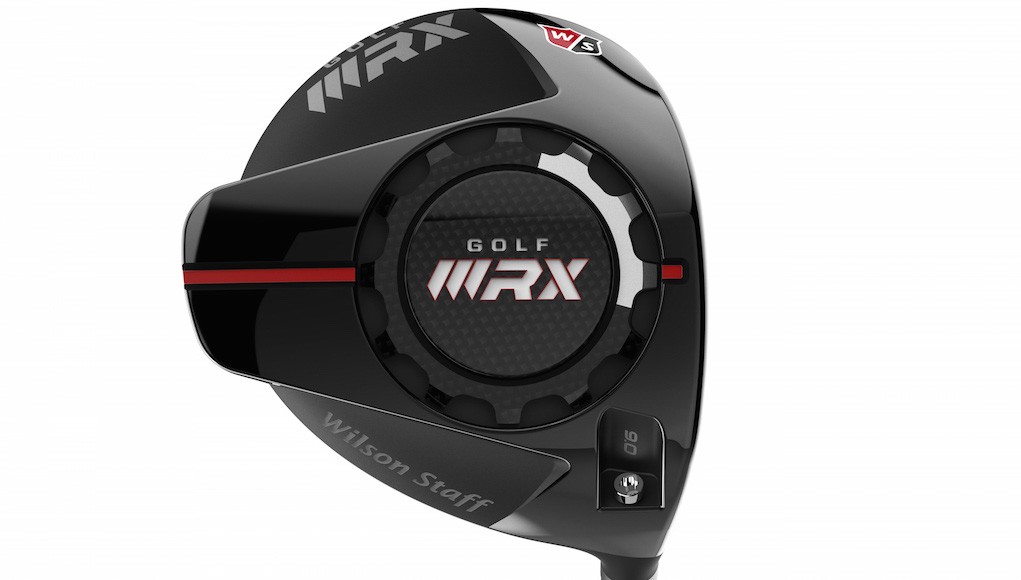
Designing your own driver is like running a race through a jungle that’s littered with booby traps. No matter how fast you are (or in this case, how good your idea is for a driver), you’ll need help navigating through the obstacles or you’ll never survive.
Myself and 18 contestants on Wilson Staff’s new TV show, which documents the driver design process in a competitive Shark Tank-esque format, found out just how many booby traps lay unseen in the jungle of driver design.
Golf Channel’s “Driver vs. Driver” reality show, sponsored by Wilson, airs October 4 at 10 p.m. EST and pits driver designs from novices against each other. Nearly 300 submissions were accepted from “bus drivers, engineers, college students who have never played golf… real people,” says Michael Vrska, Global Innovation Director at Wilson. The 18 contestants were a part of 11 different teams, and they worked with professional golf club designers from Wilson to refine their designs. The winner not only earns $500,000, but the distinction of having his or her driver brought to market for the golfing public to purchase.
Judging the driver designs on the show are former NFL linebacker Brian Urlacher, former USGA Technical Director Frank Thomas, Wilson Golf President Tim Clarke and PGA Tour player Kevin Streelman. The show host is Melanie Collins, who also co-hosts on Golf Channel’s Big Break.
As I learned — and I’m sure the contestants on the show did as well — the driver-design process has some serious and unexpected challenges. Personally, I needed major help along the way from Wilson’s design team to not only make an awesome driver, but make a legal driver. Below, I detail the process of my driver design from start to finish, including photos and real feedback from along the way.
GolfWRX Driver
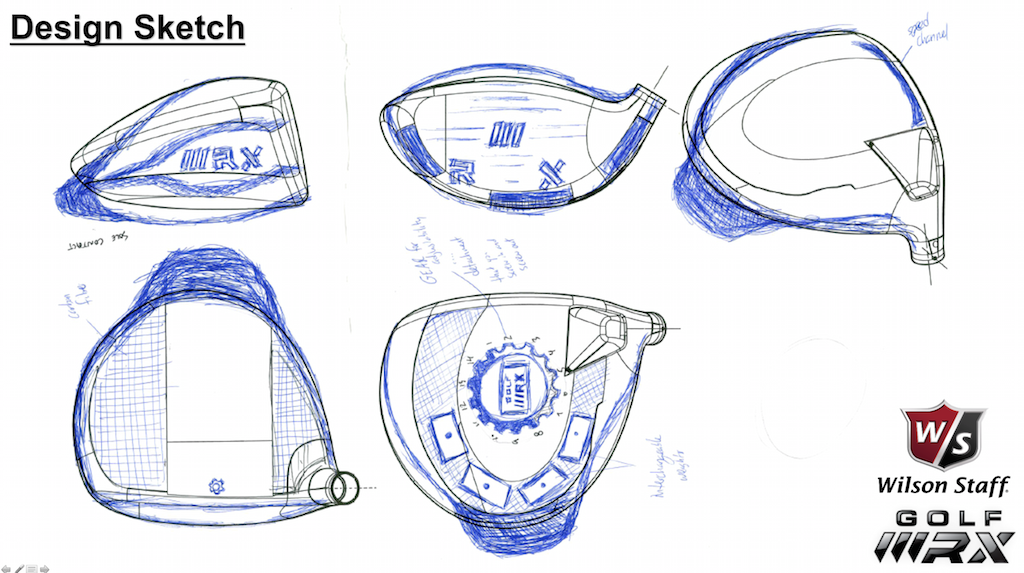
My first challenge in designing a new driver was answering the question, “What hasn’t been done already?” Think about for a second. Not so easy, huh? And it’s especially difficult when you need to sketch something up, and send it to professional driver designers knowing the sketches will be on GolfWRX for the world to see.
No pressure.
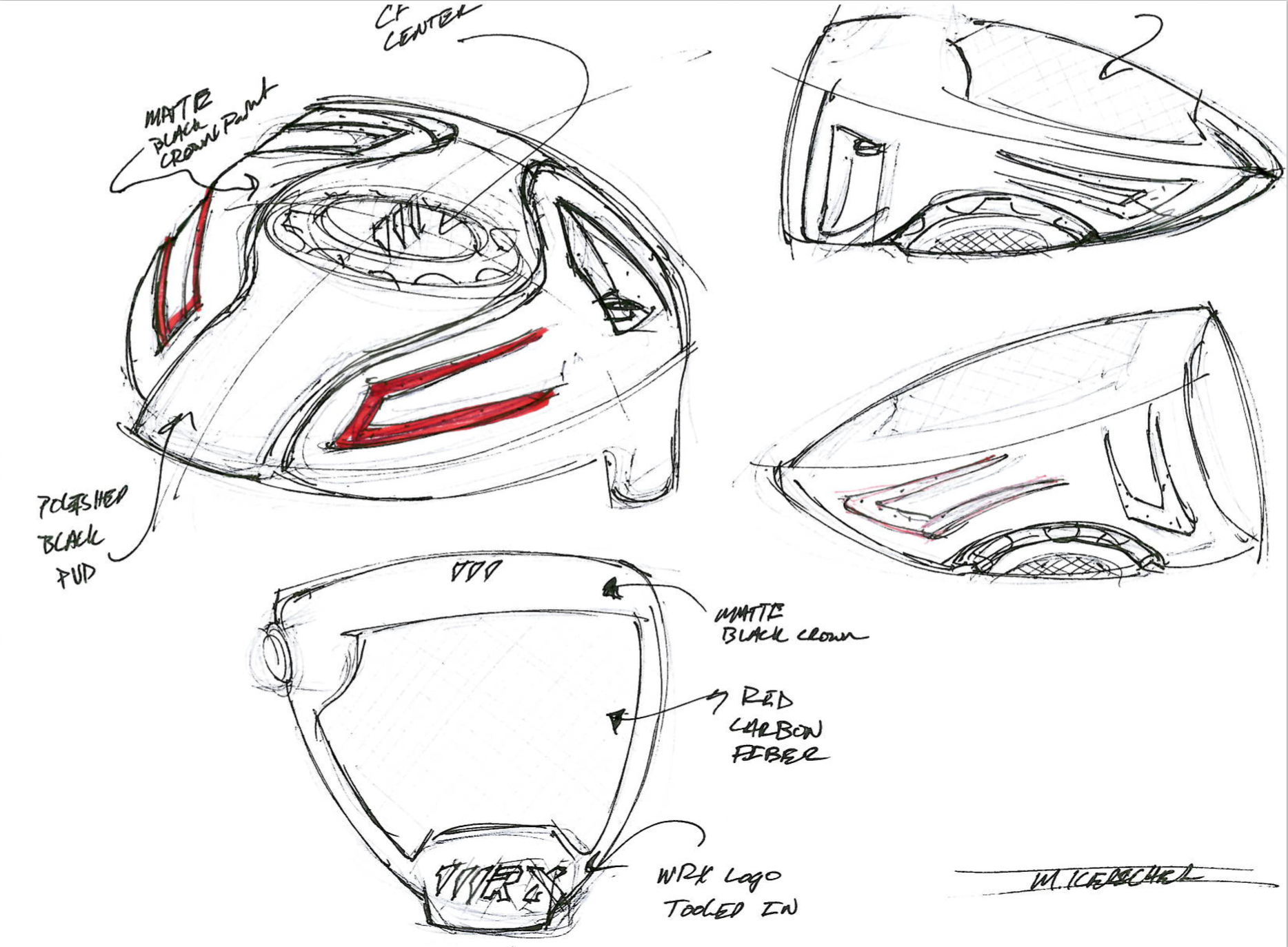
Here’s what was going through my amateur-driver-designer brain during the design period.
The best-performing drivers have low CG and high MOI, right? So I’ll sketch up a driver that has extremely low and rearward CG. Duh.
So I slapped some carbon fiber on the crown to save some weight up top, and threw a rear extension low and back behind the club to drag weight all the back away from the face.
Looks good enough.
And we need some adjustability, too. Hmm… I got it! Let’s put the gear from GolfWRX’s Gear Trials logo, make that dual-weighted — half aluminum and half tungsten — and spinning that gear will allow golfers to shift CG.
There’s also some more room in the back of the sole. Might as well add some additional adjustability. And a speed channel behind the face, too, because… why not?
I figured the weights could be made of different materials of varying weights, and you’d interchange them depending on whether you wanted neutral, draw, fade, and could adjust head weight, too.
Brilliant!
OK, about a year’s worth of R&D done in 15 minutes. A great-looking, and probably awesome-performing driver. Maybe this really is easier than it looks.
So I sent my very amateur sketches off to Wilson and got some lunch. I may or may not have been thinking I’d have a new career in designing drivers when I came back.

A few days passed and I received an email with feedback from Wilson. It was much like checking an exam grade that you thought you absolutely knocked out of the park.
And… I failed. Miserably.


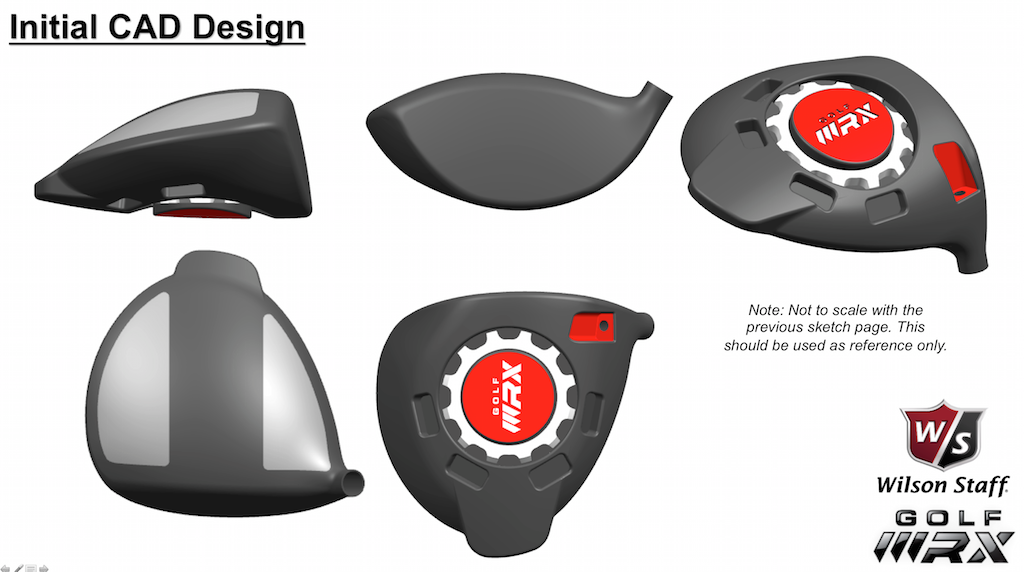
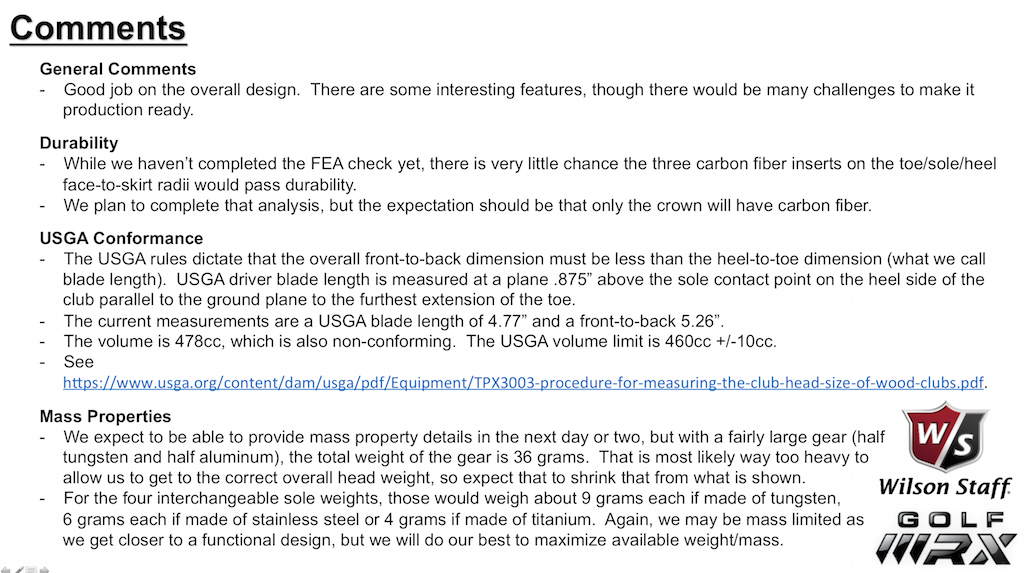
Initial Design Feedback Summary
- Little chance the carbon fiber inserts and face-to-skirt radii would pass durability.
- Front-to-back length must be less than heel-to-toe length, so the driver is non-conforming under USGA rules.
- Volume is 478cc, which is also non-conforming under USGA rules, which set 460cc as the mass limit.
- The gear is too large, and is estimated to be too heavy.
- The four weight inserts would likely add even more mass to the design, which already weighs too much.
I didn’t think about the USGA, nor did I consider mass, durability… and reality. The gear design and rear extension might work after all, though, even though the four weights probably wouldn’t. There just wasn’t enough weight to go around, especially when saving weight is the goal.
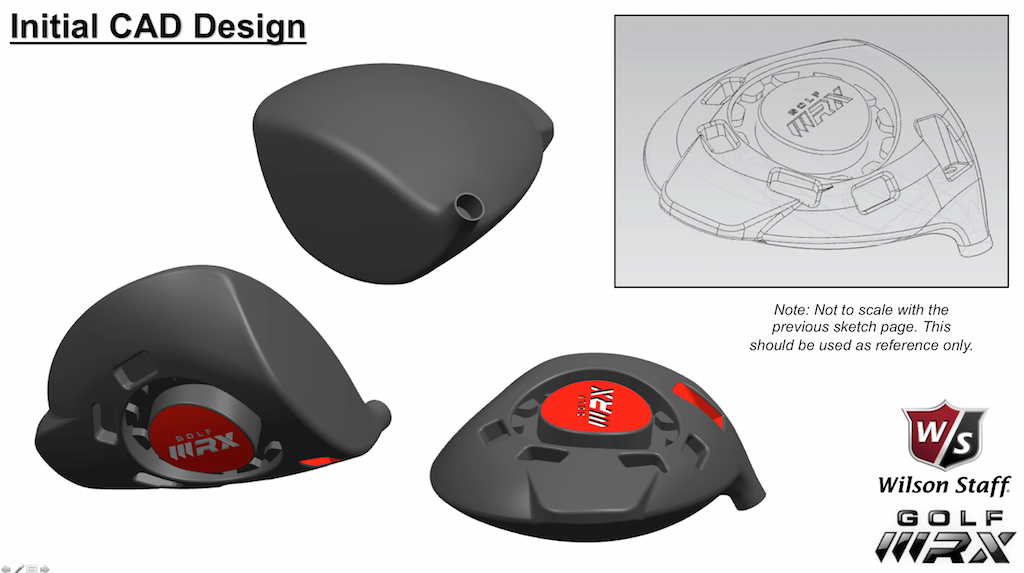
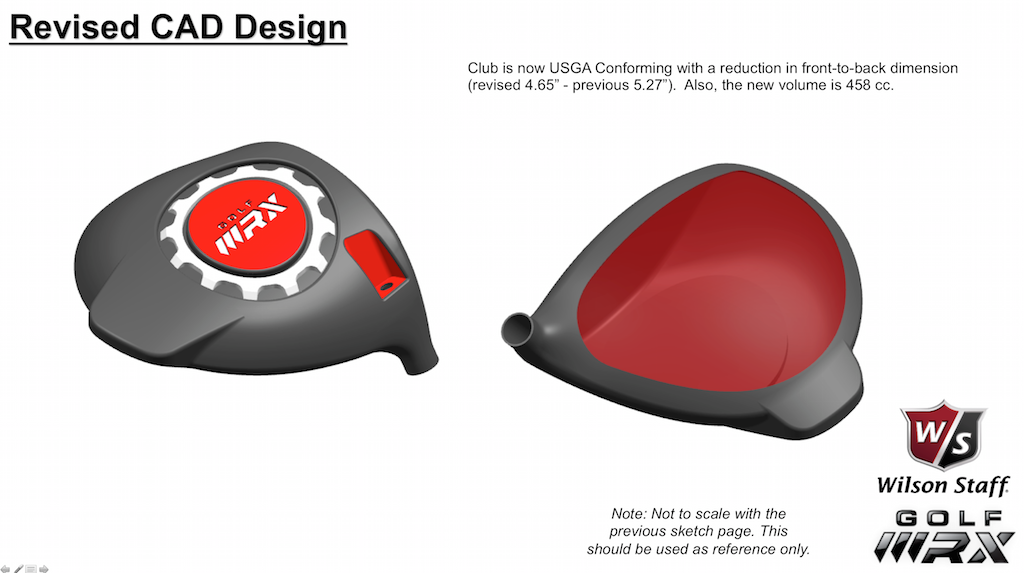
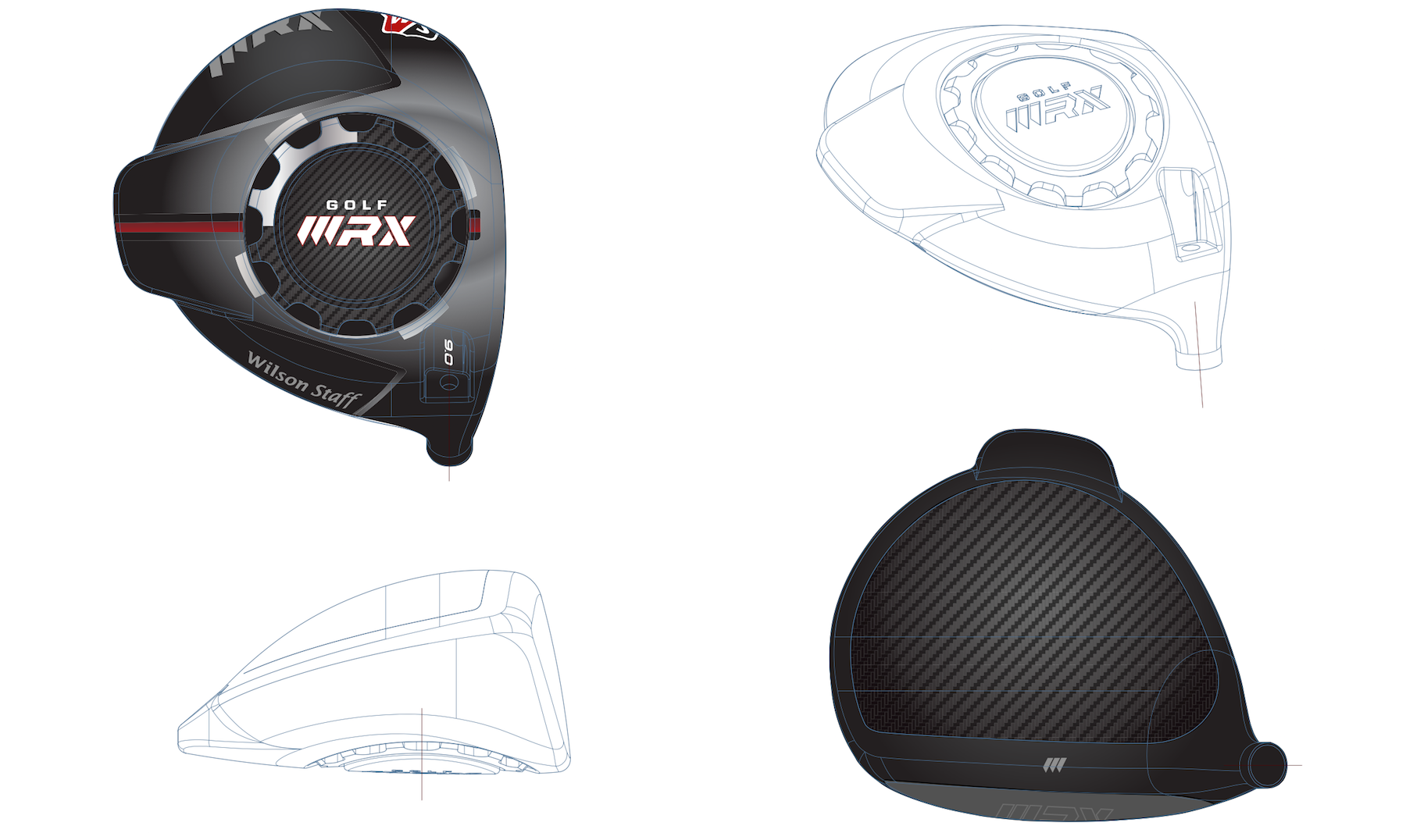
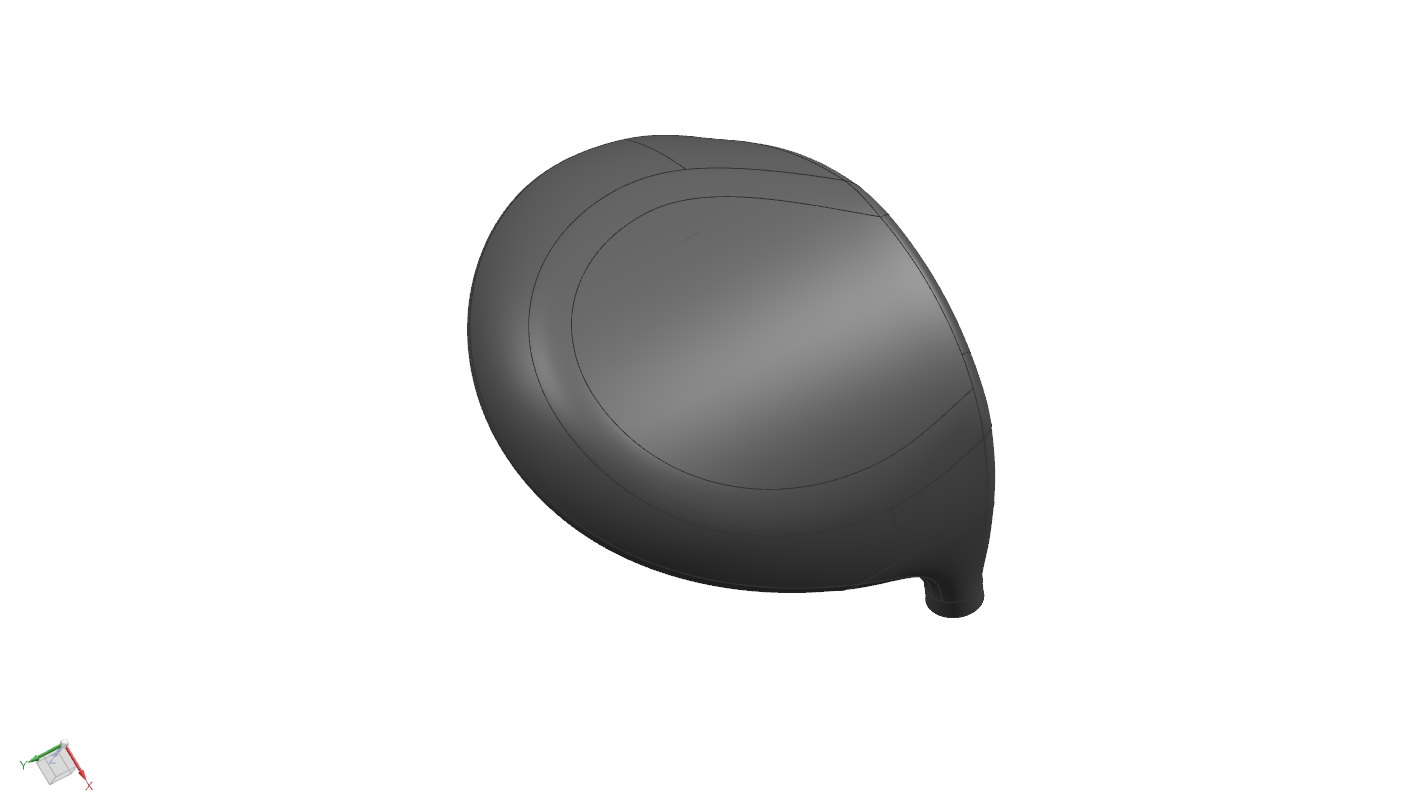
Here’s the second round of designs after a few back and forth conversations via email with the Wilson team.

Click to enlarge.

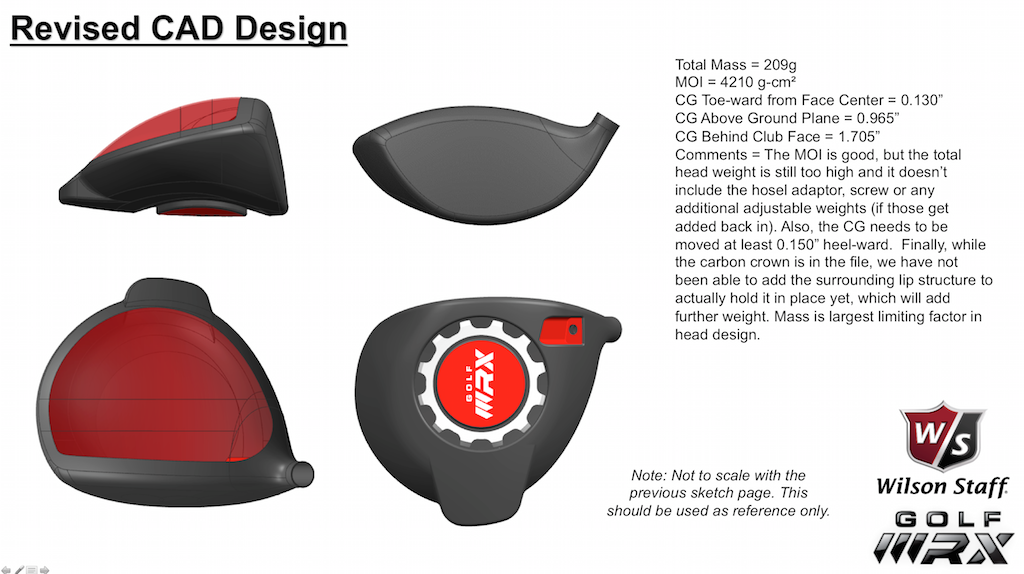
Round 2 Feedback Summary
- Club is now USGA conforming, with a shorter front-to-back dimension and 458cc volume.
- CG is 0.130 inches toe-ward.
- Overall head weight is still too high, and that’s before the hosel adaptor or interchangeable weights are added.
- The lip structure for the carbon crown will also add additional weight.
It was still too heavy, and CG was toe-ward, which is less than ideal. But at least it was USGA conforming!
Wilson’s team asked for my thoughts on how to reduce size, weight and reposition CG. I was stumped. Luckily I was invited to Wilson’s headquarters in Chicago to play lead driver designer for a day, and sat over the shoulders of design experts, helping making final decisions on every aspect of the design.
Truth being told, however, I was just along for the ride. Wilson’s team took what was an obviously amateur — and frankly, a non-commonsensical driver design — and turned it into something that looked really cool, and might perform decently in the real world if it actually went to production.
A special thanks to Mark Spencer, Mark Kerscher, Kevin Mayoux, Rich Hulock and Michael Vrska for all of the time and assistance!
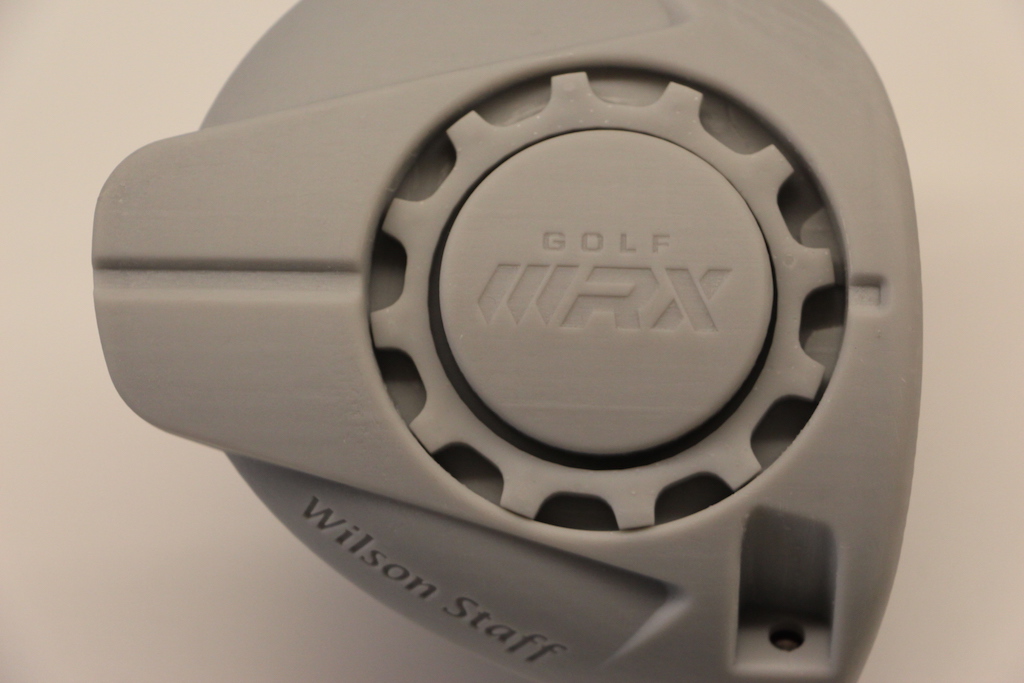
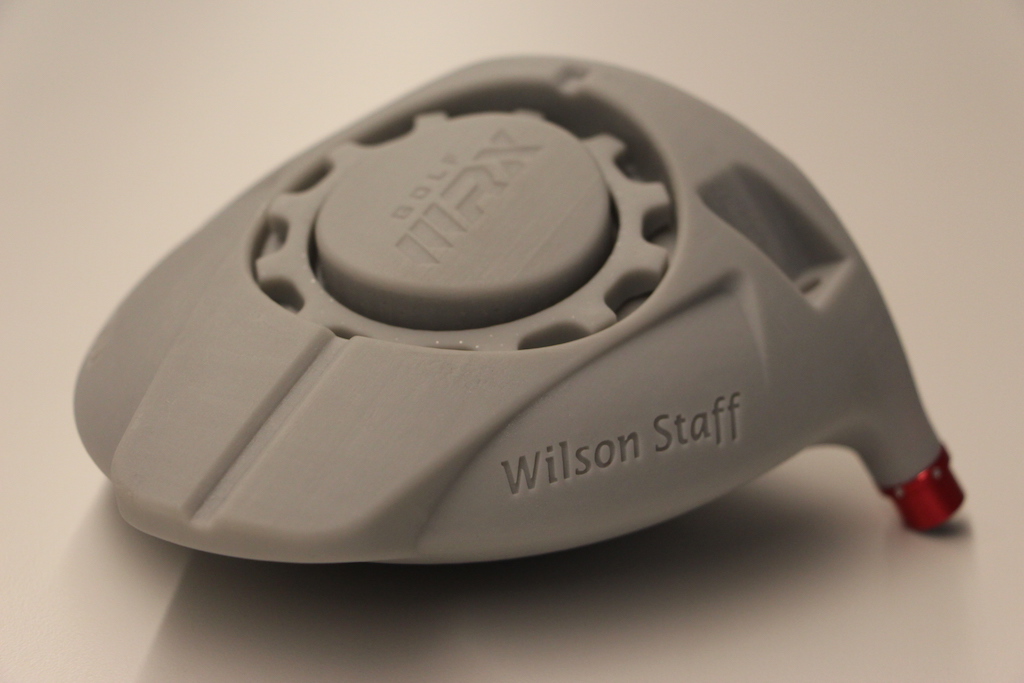
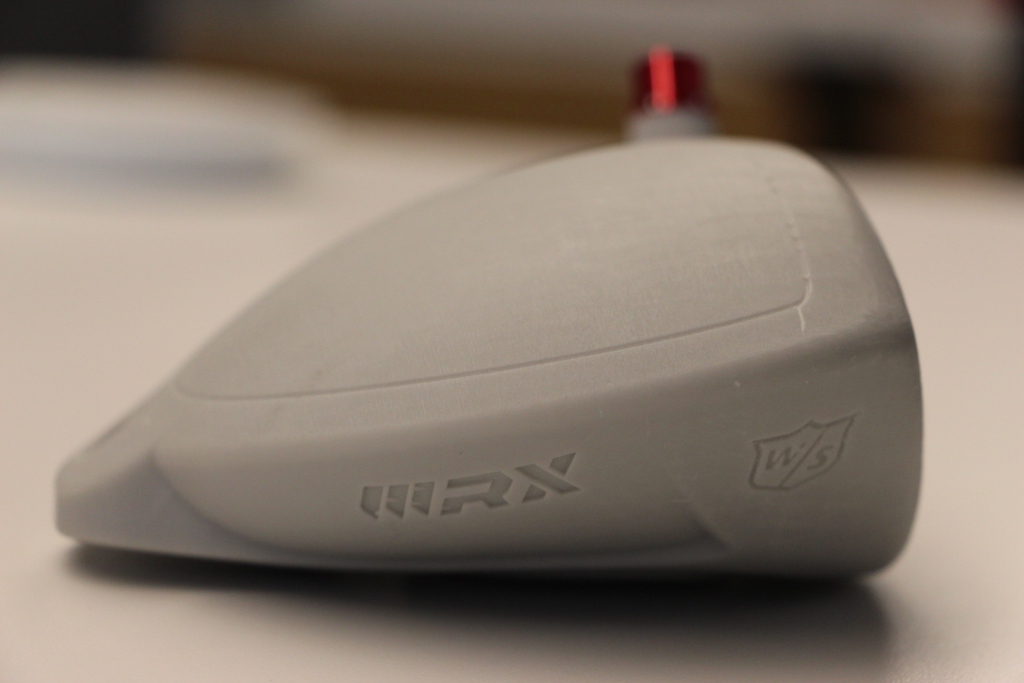
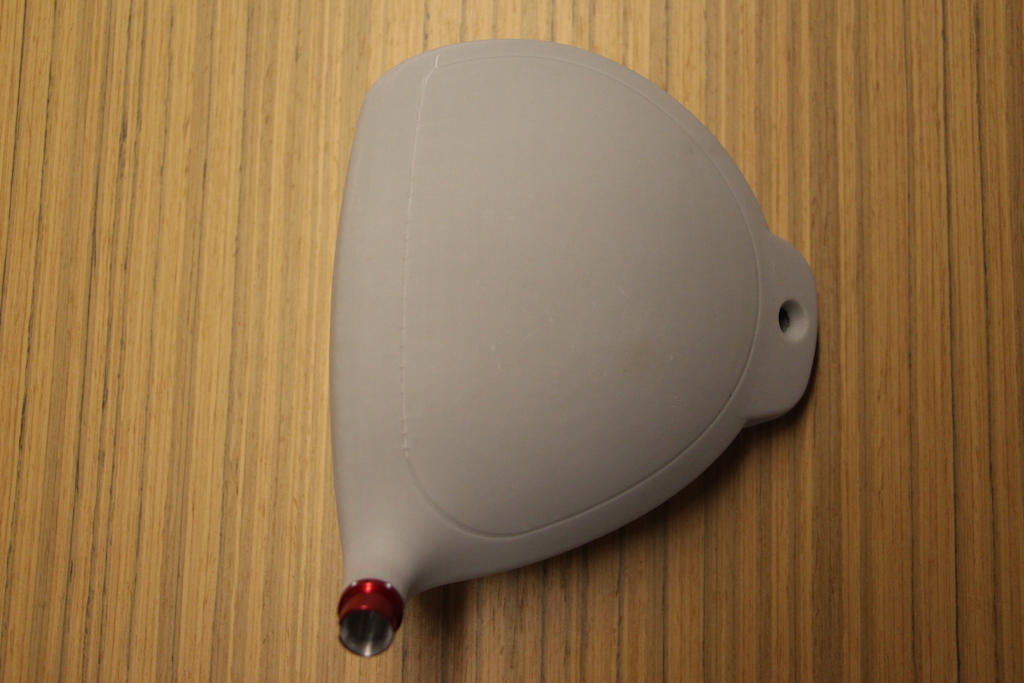
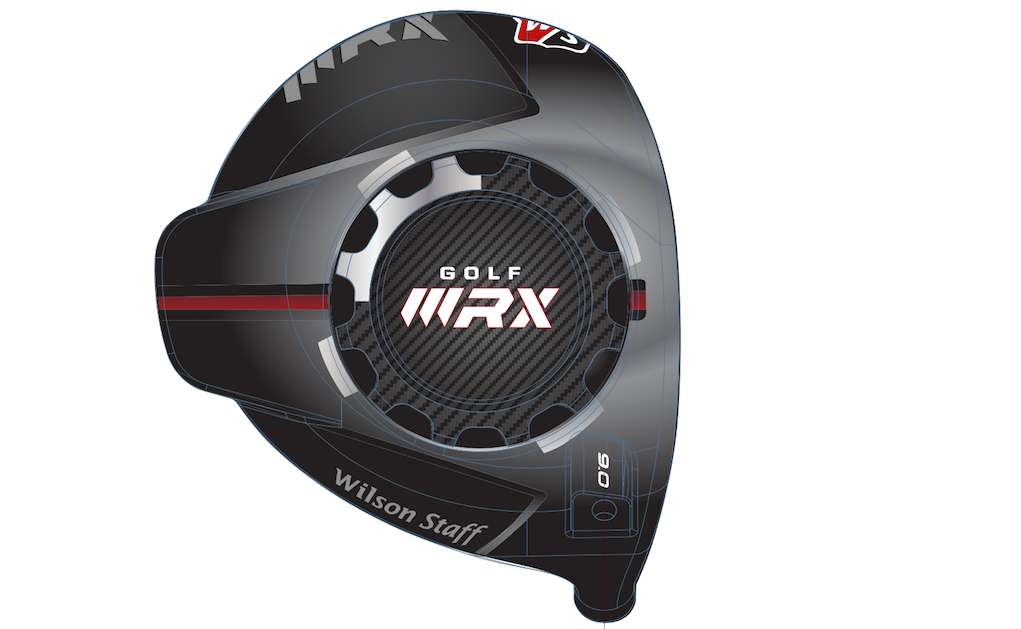
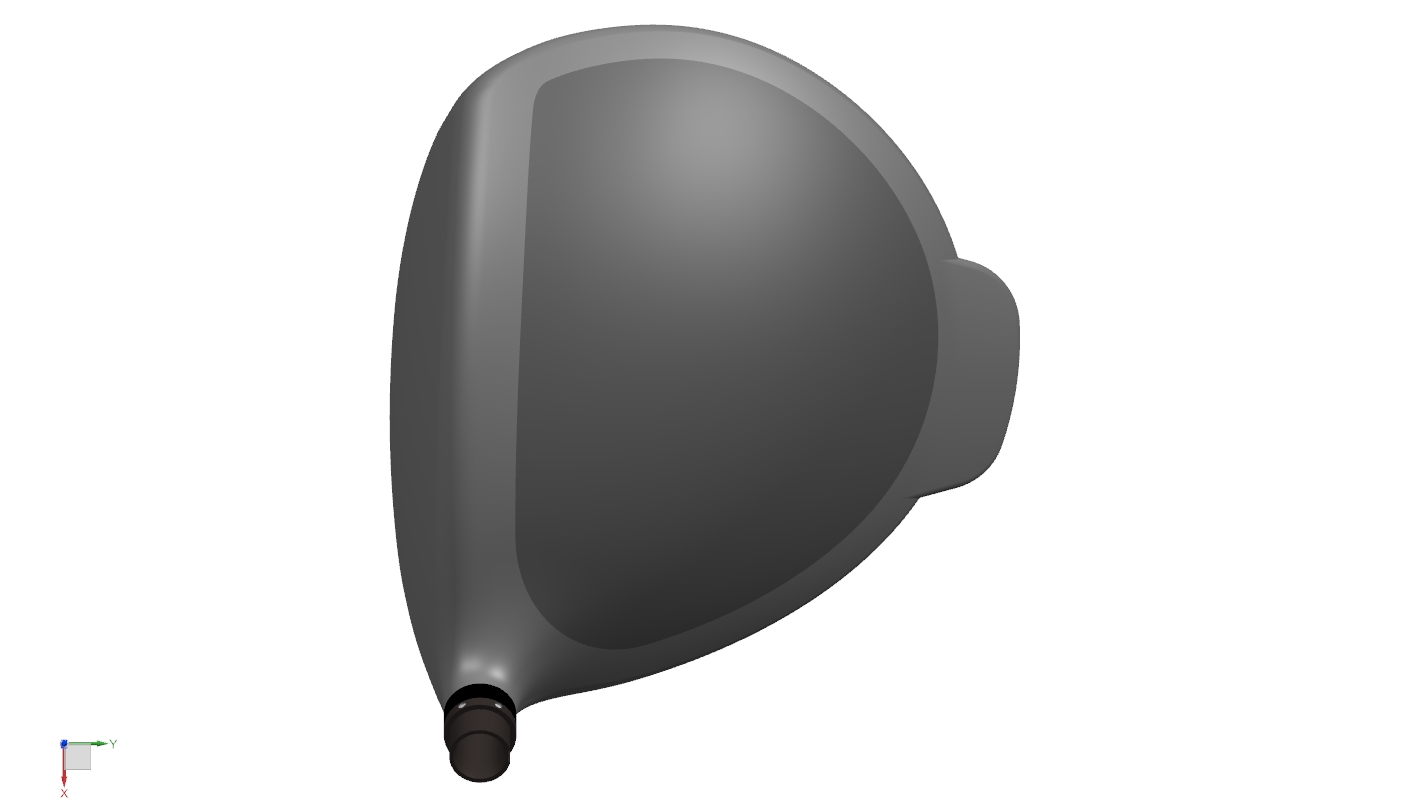
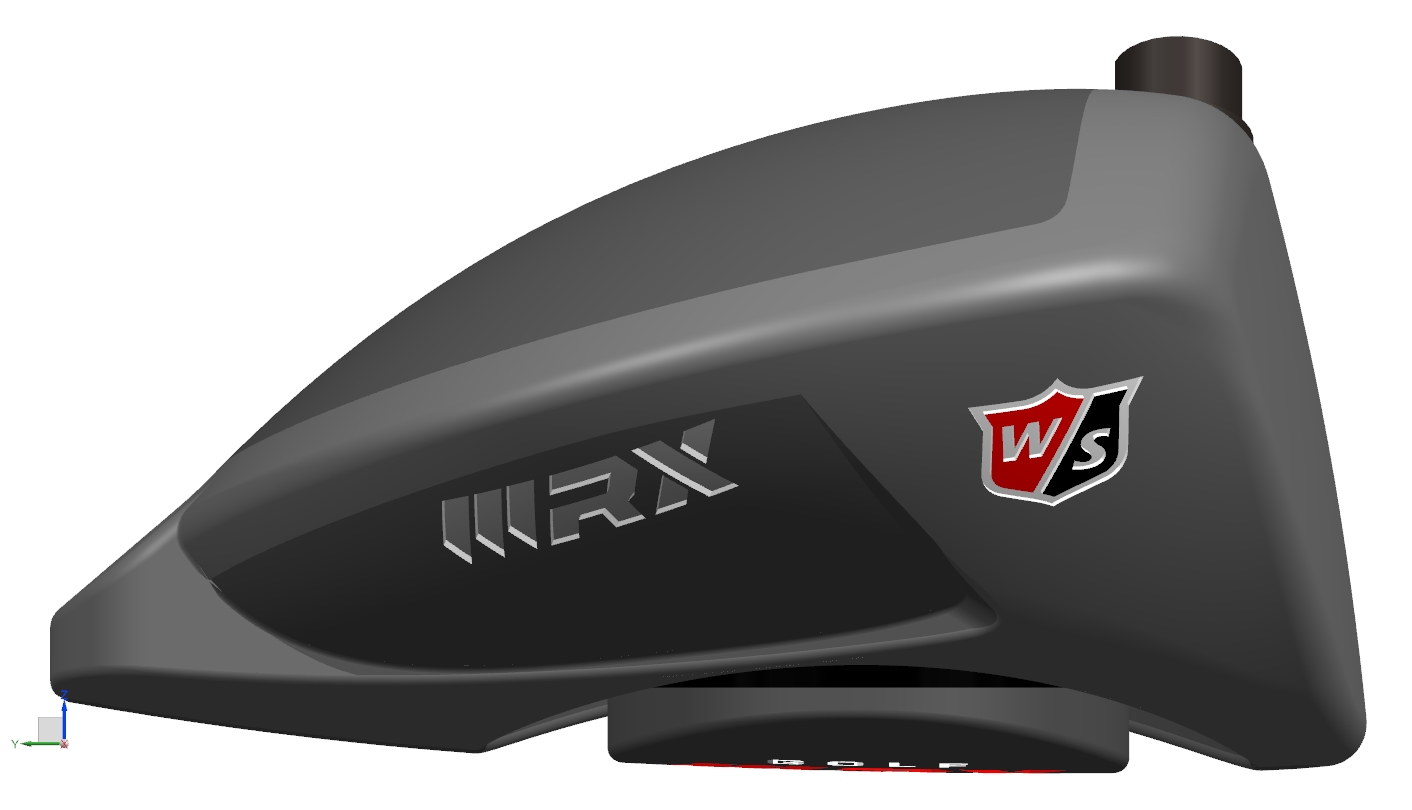
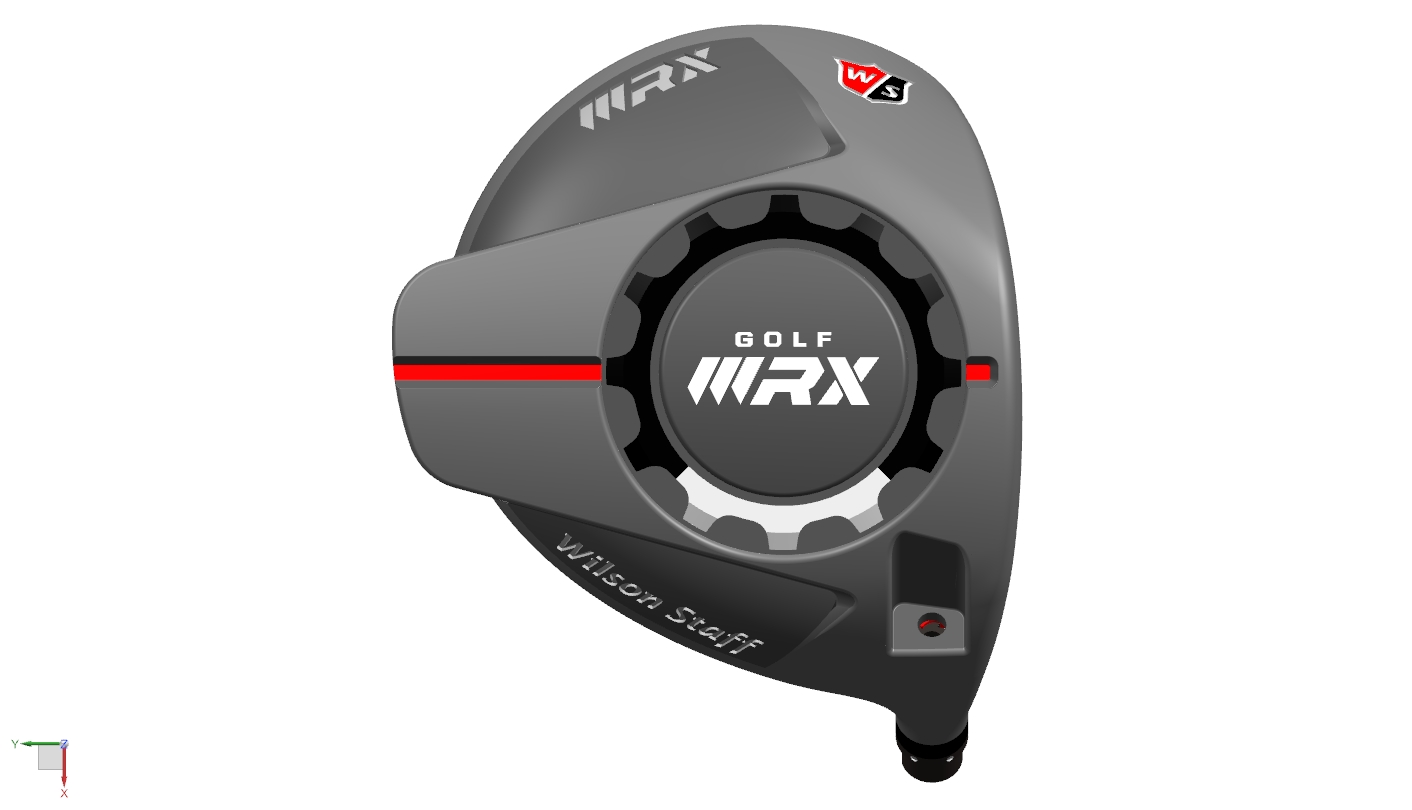
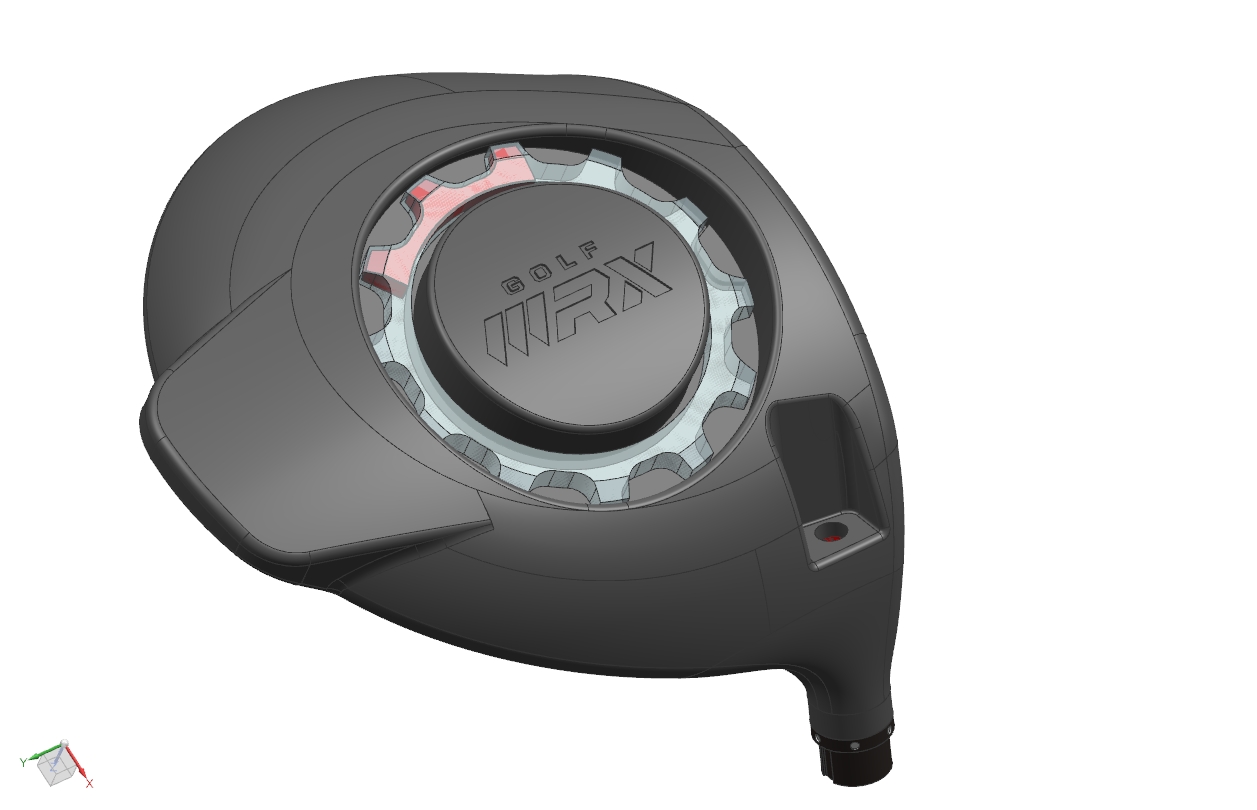
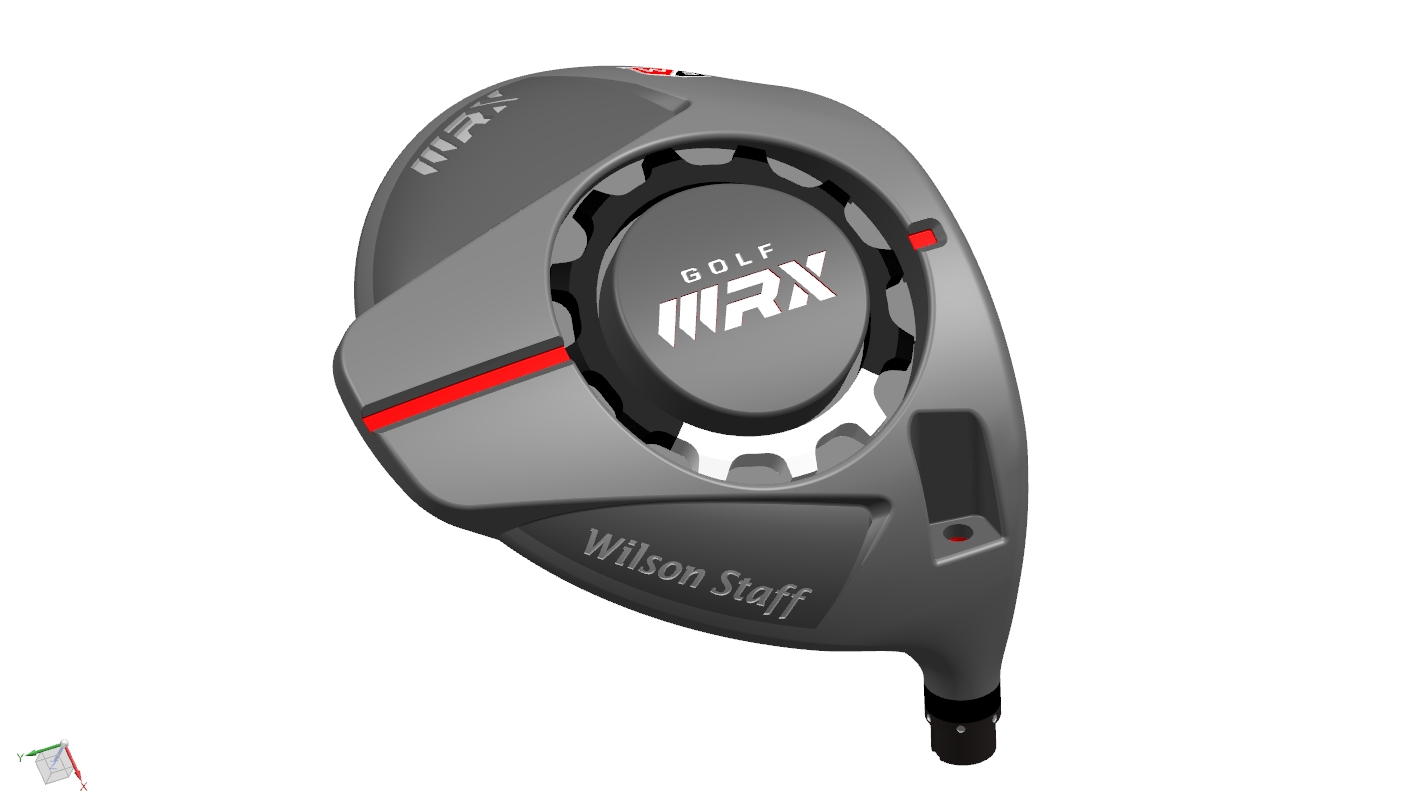
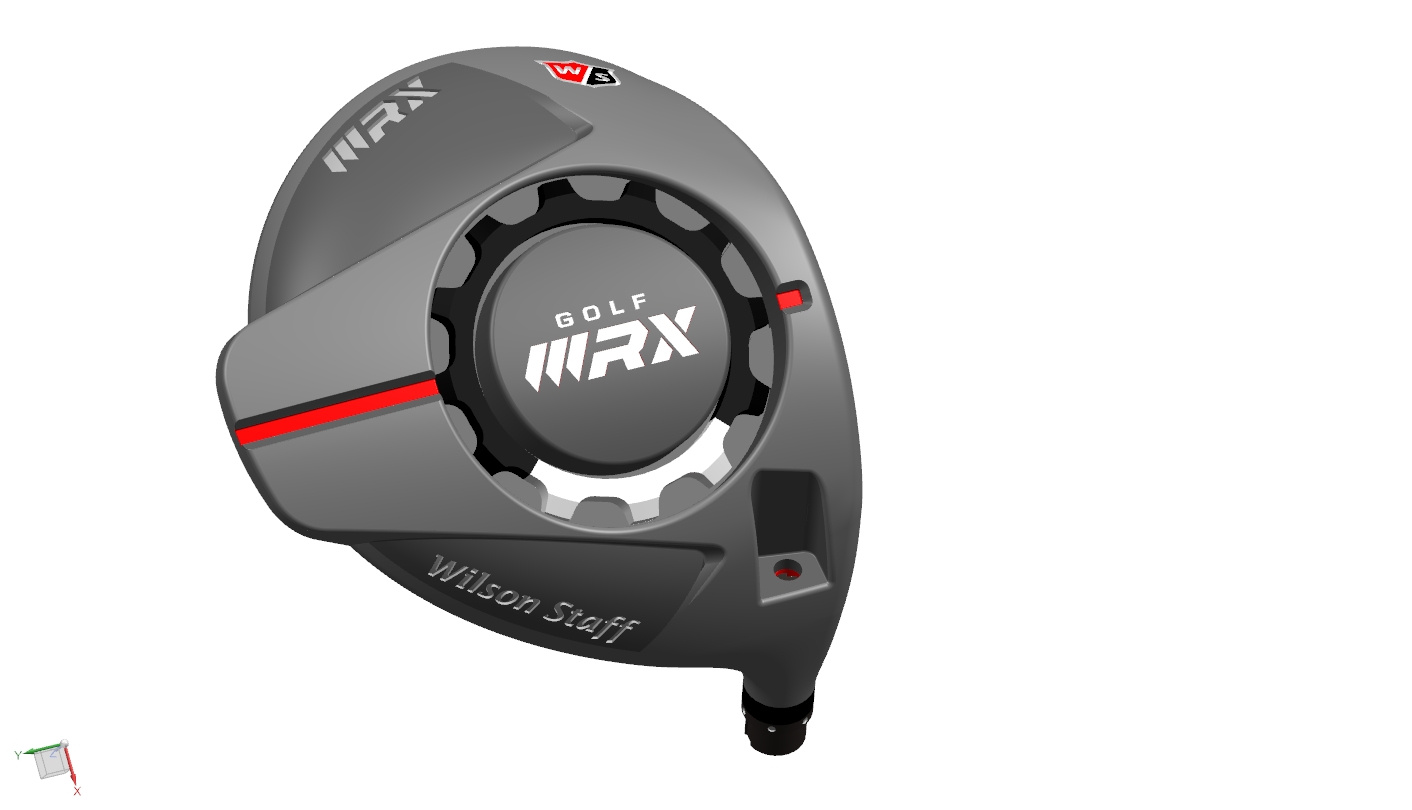
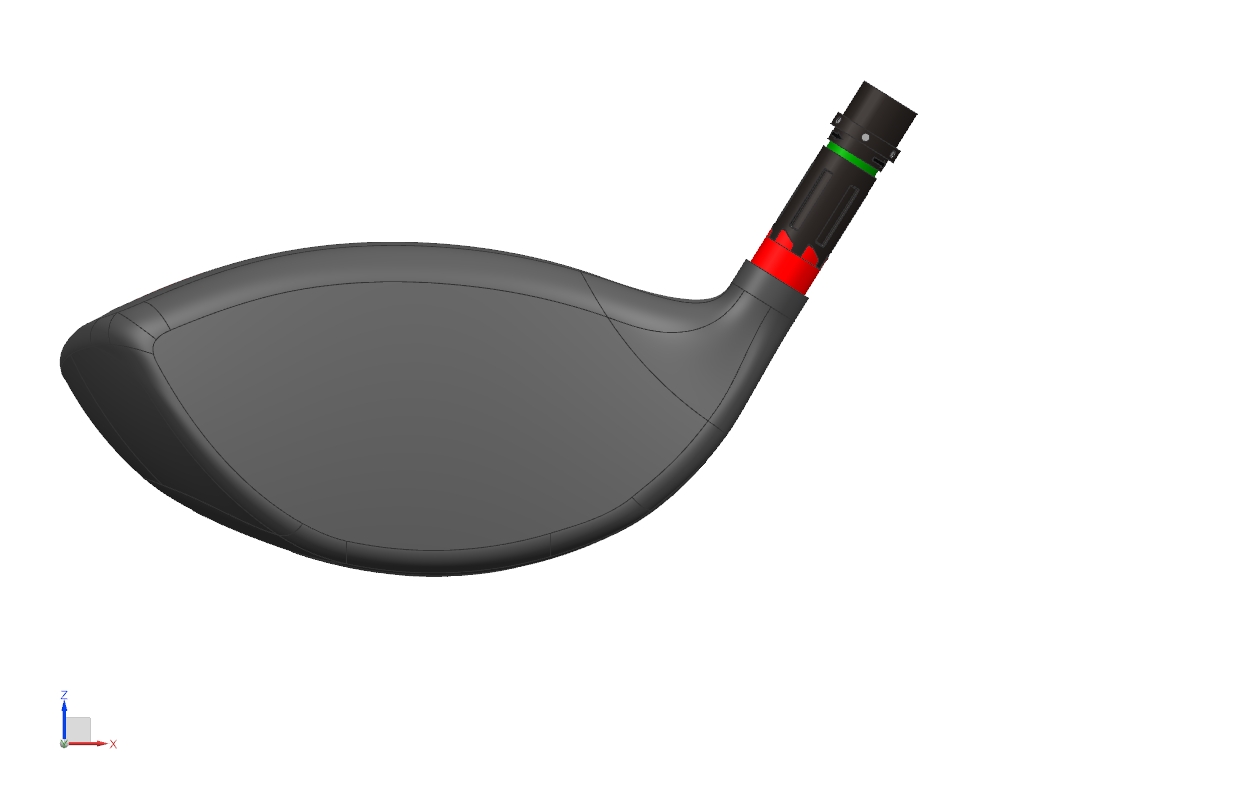
Final Design

Finals stats:
- CG with gear weight max toe = 0.034 inches toe-ward
- CG with gear weight max heel = 0.038 inches heel-ward
- Total CG movement with gear weight = 0.072 inches
- CAD MOI = Over 4100 for all gear weight positions
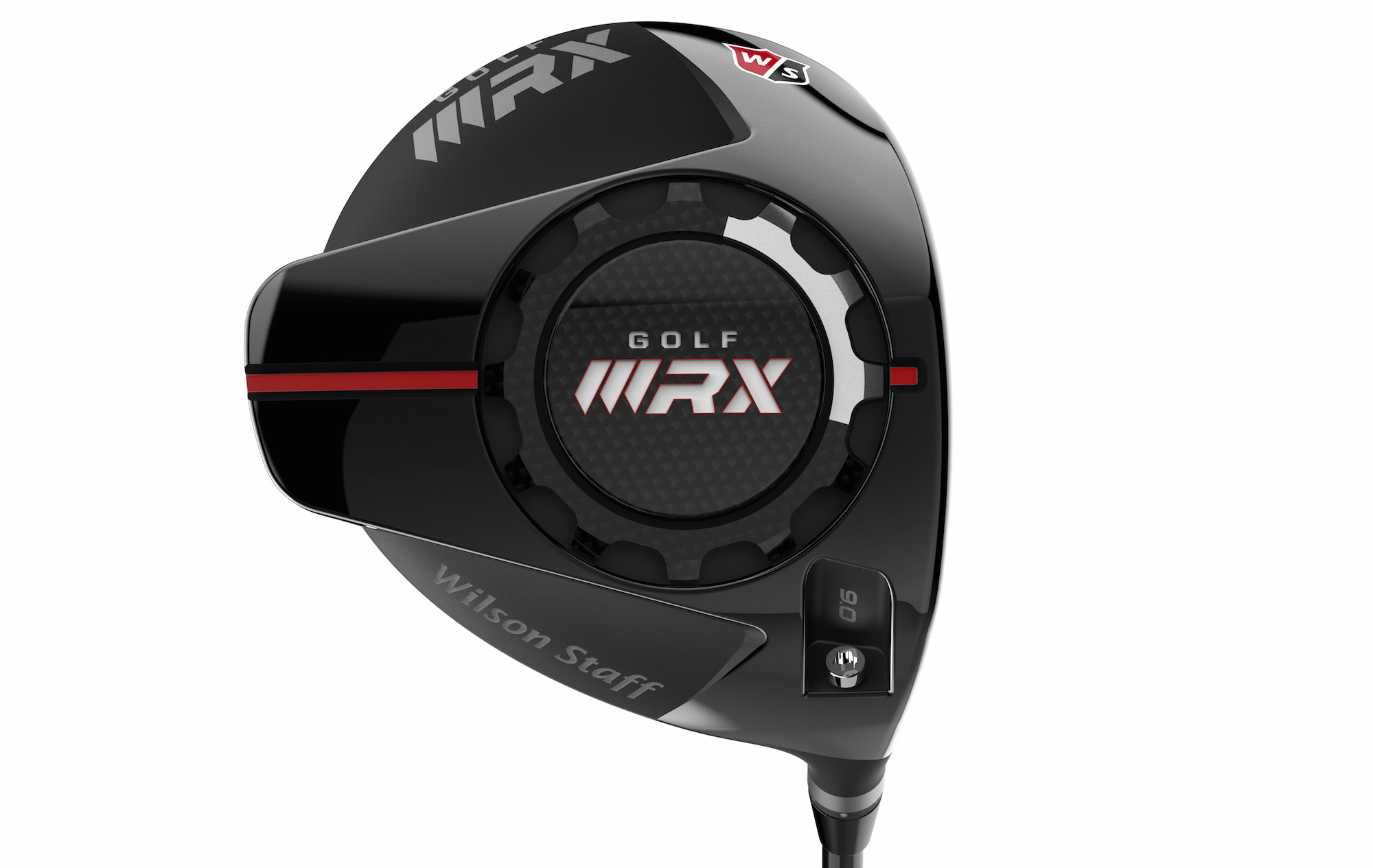
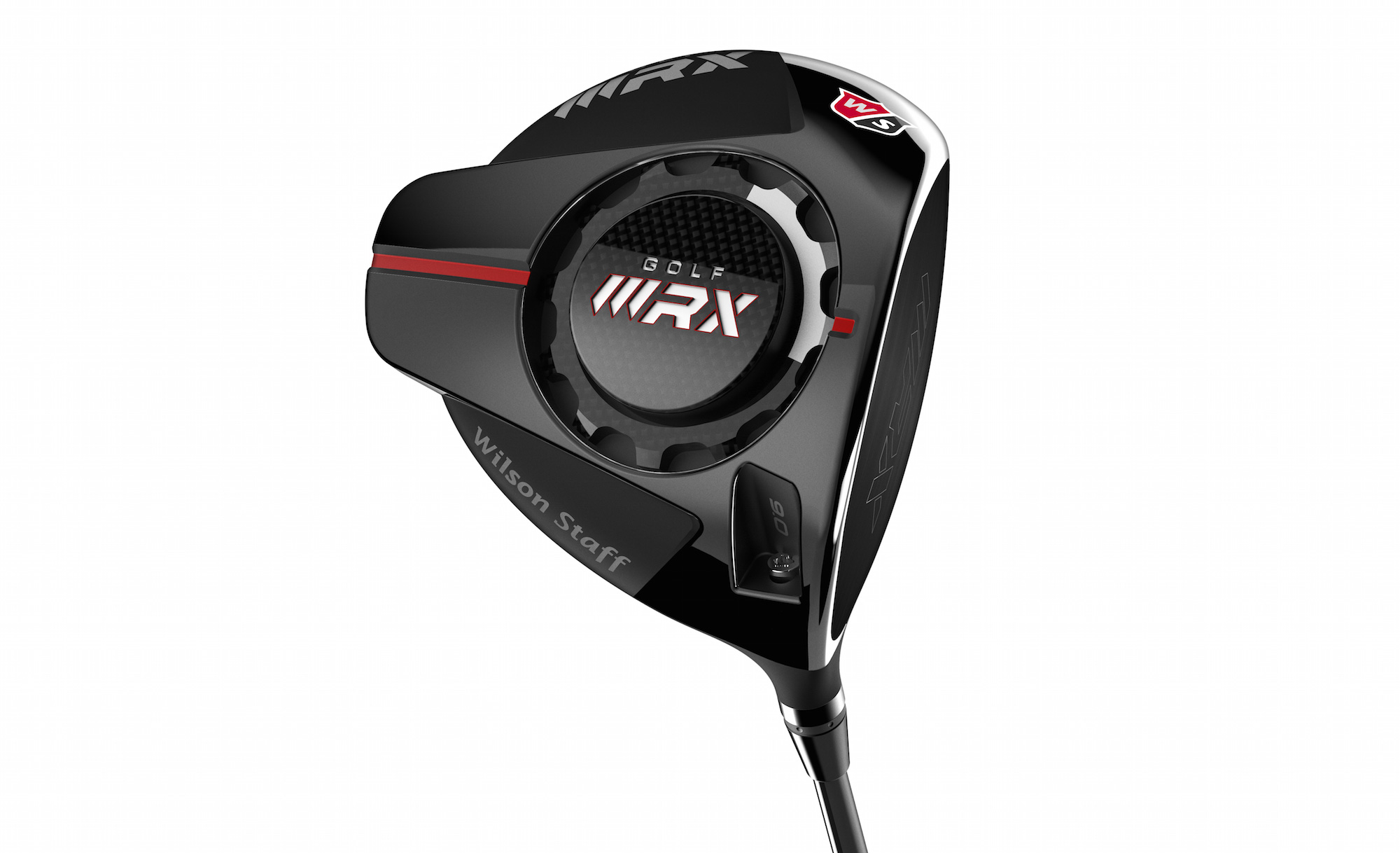
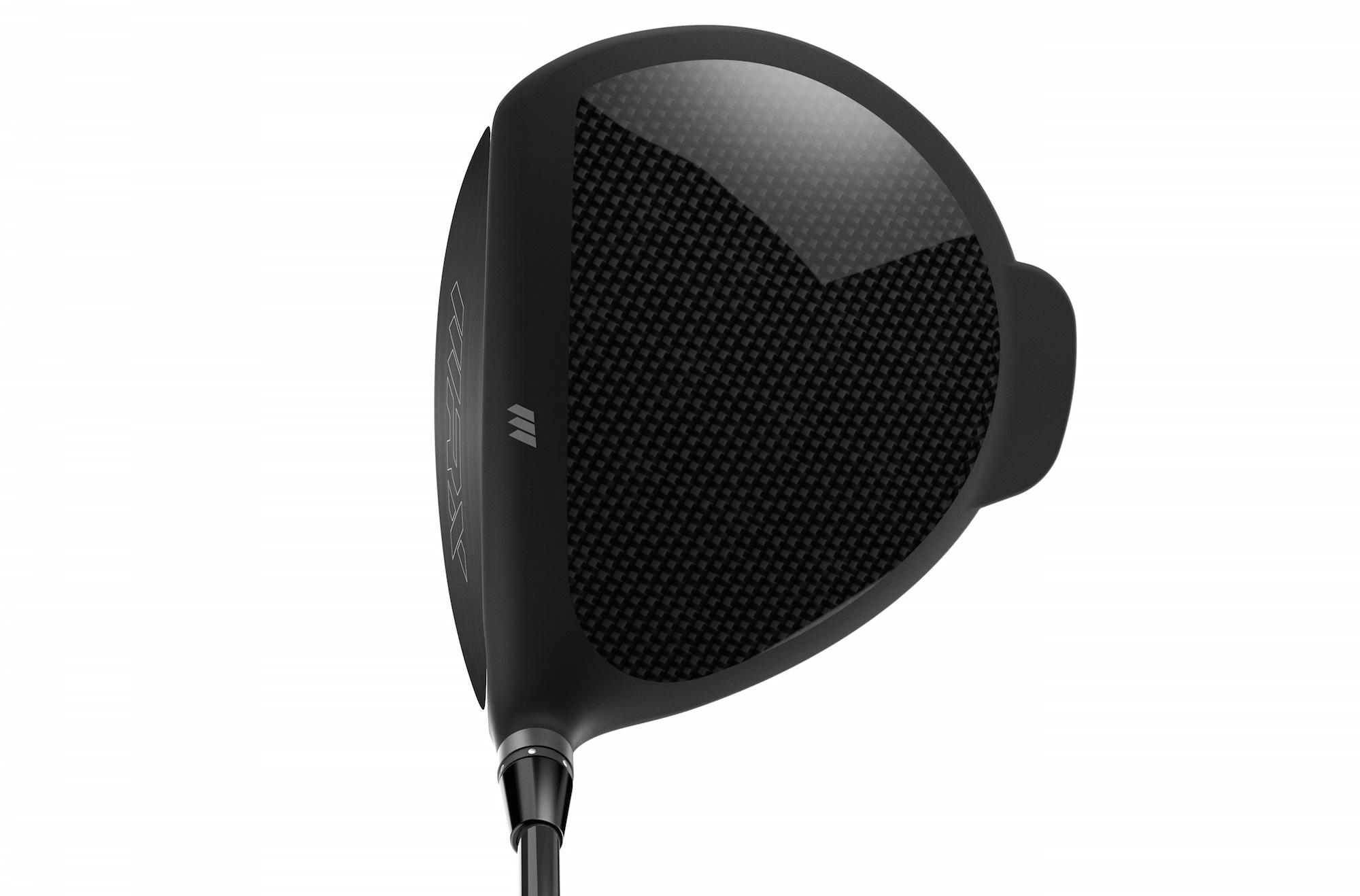
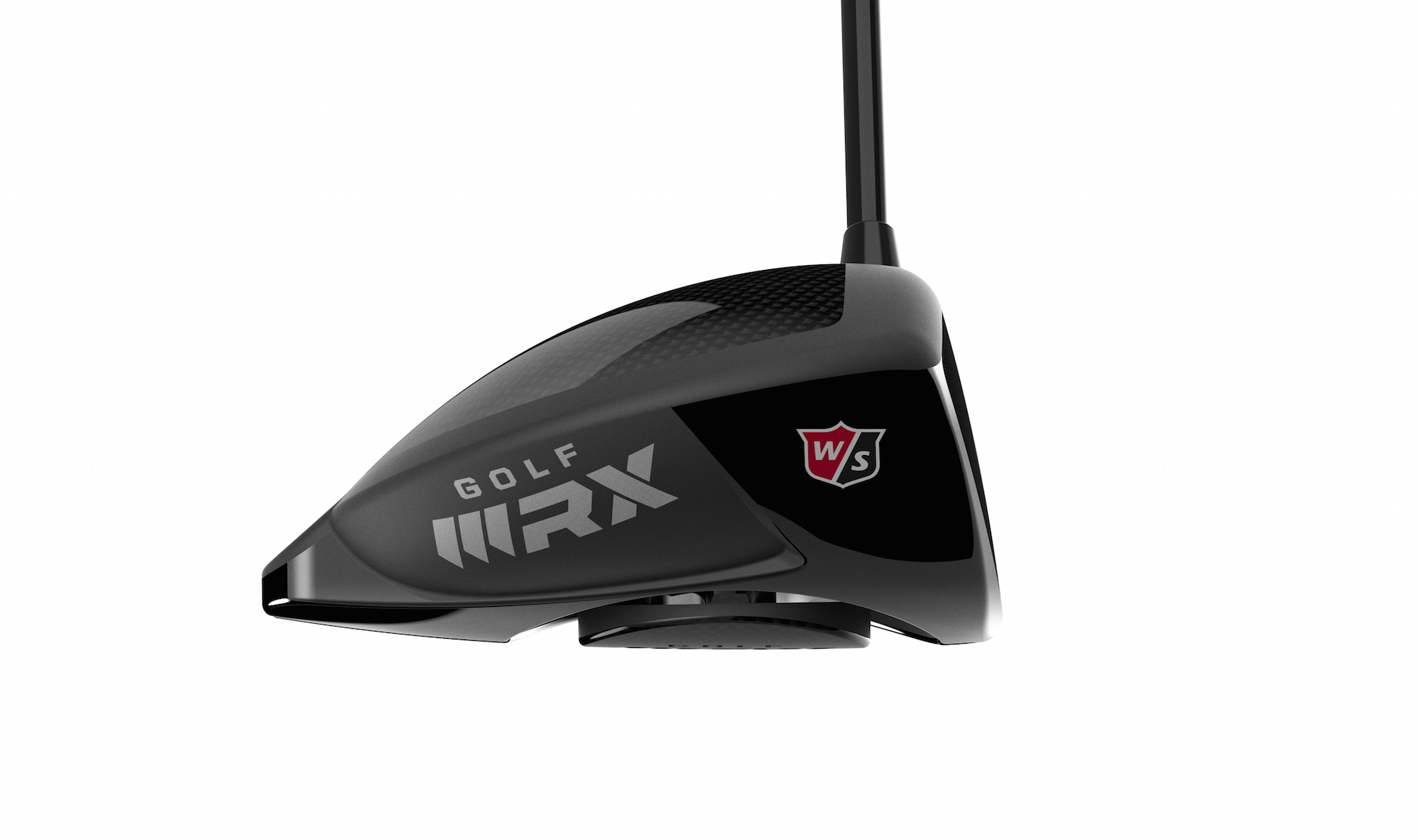
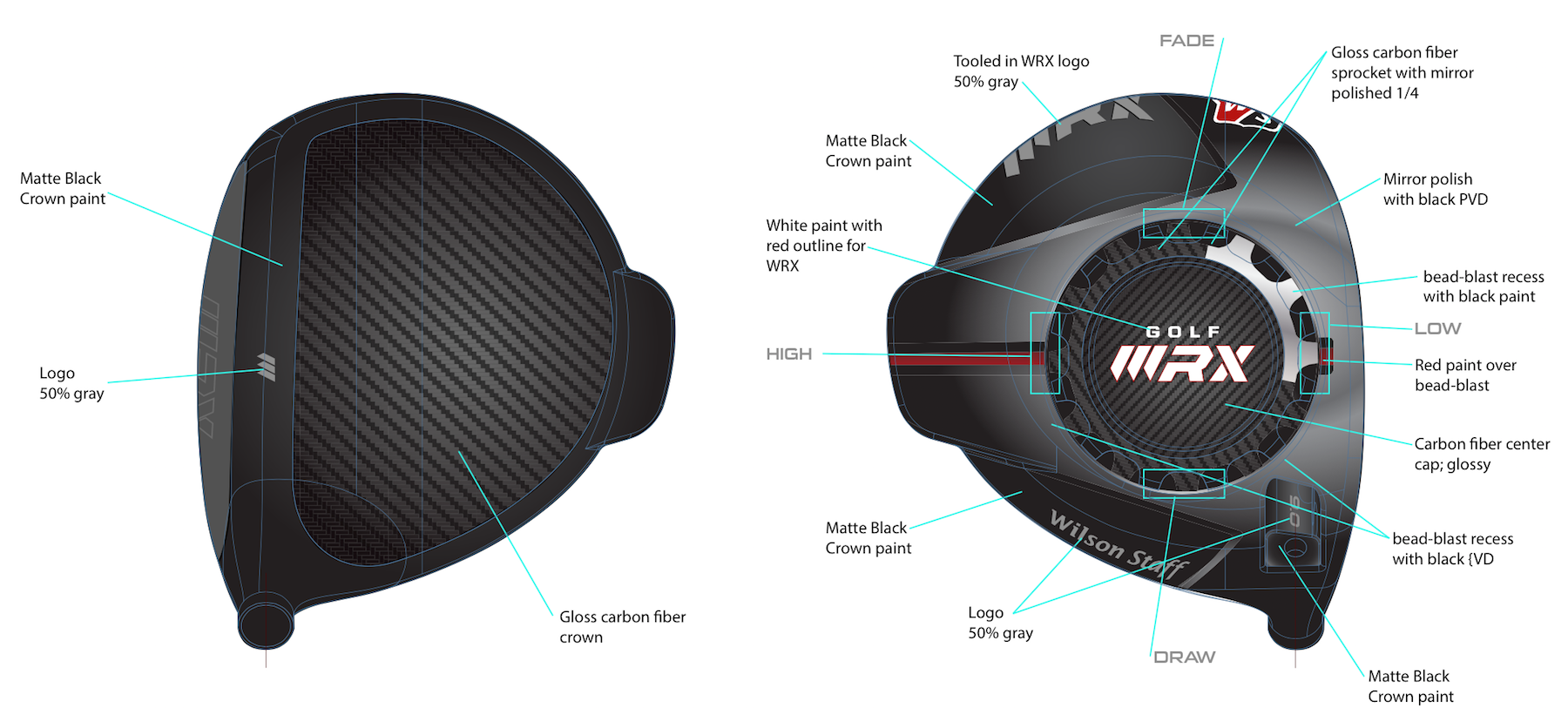
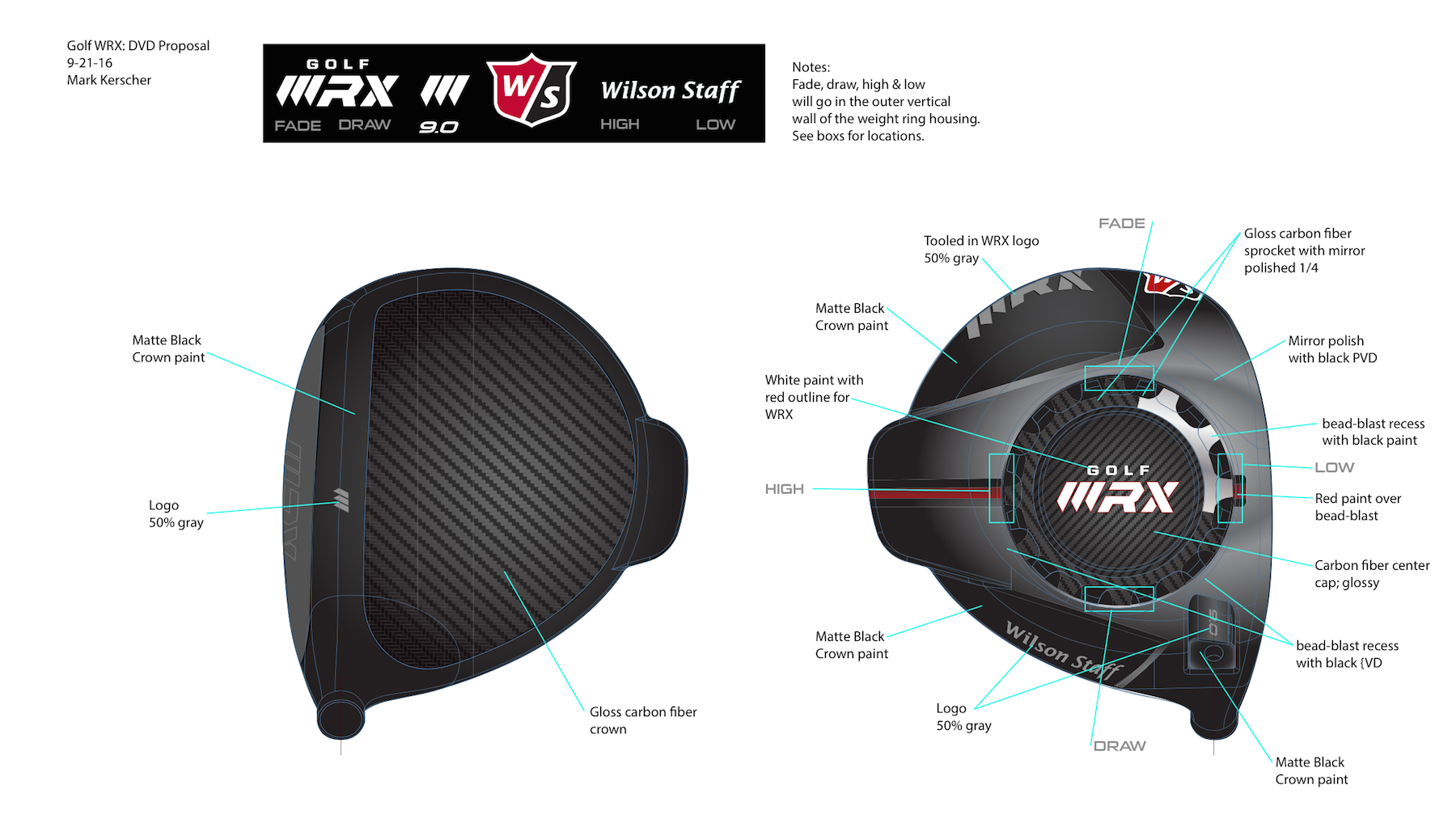
According to Wilson, MOI would probably be about 4300-4400 if it were actually to be produced. Also, with the amount of CG shift, the gear design would likely be enough to make a real impact on ball flight. Saving weight from various portions of the head made that possible.
Would it be the best driver on the market? Definitely not. But having the final product be USGA legal, and not a complete disaster was a success.
Final Thoughts
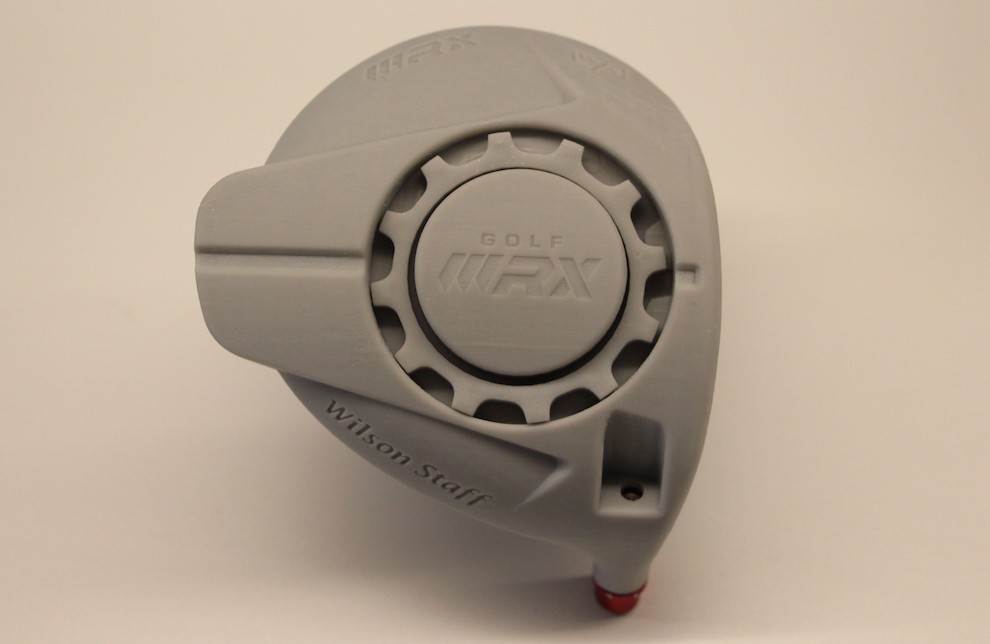
It would be a drastic understatement to say I have a newfound respect for driver design.
So much goes into designing a driver that it’s frankly overwhelming. Not only do you have to worry about conformity, durability, cost and production, but you need to highlight technologies in order to have a marketable driver, attract your intended consumers, and obviously, build something that performs better than not only your company’s predecessors, but other drivers on the current market. Oh yeah, and you only have about a year to do it.
As GolfWRX Senior Editor, I think it’s best I stick to reviewing the newest equipment rather than designing it.
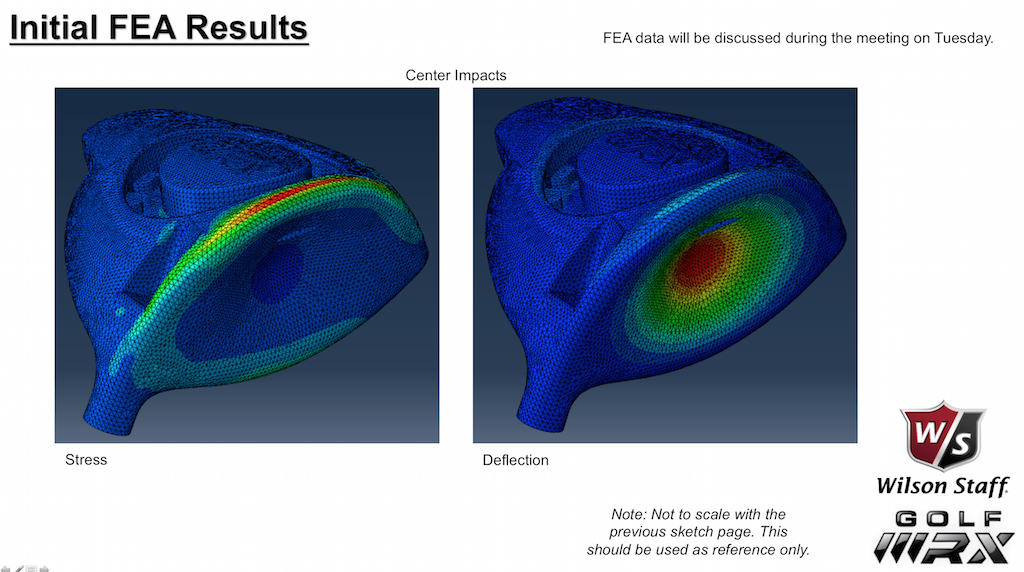
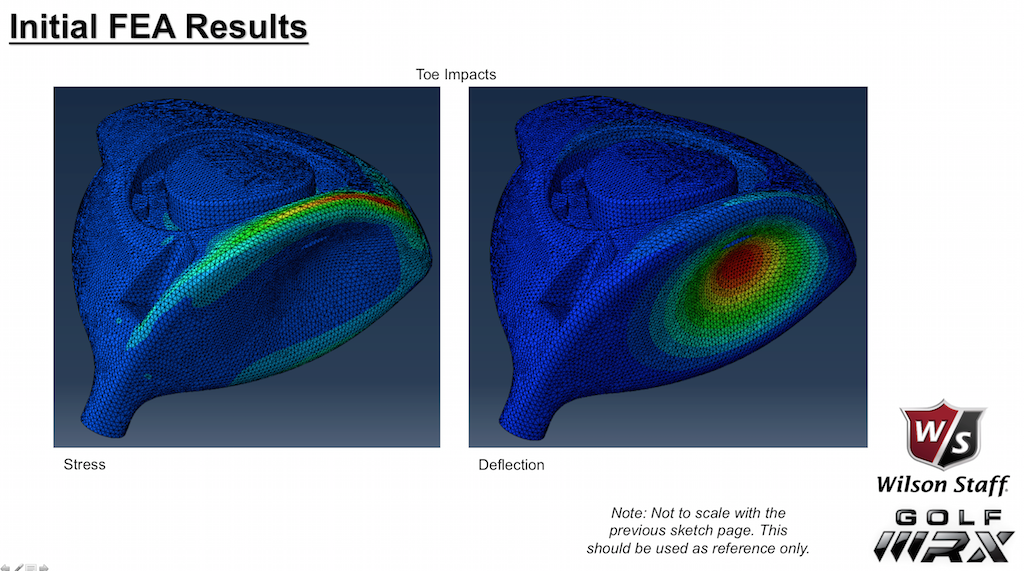
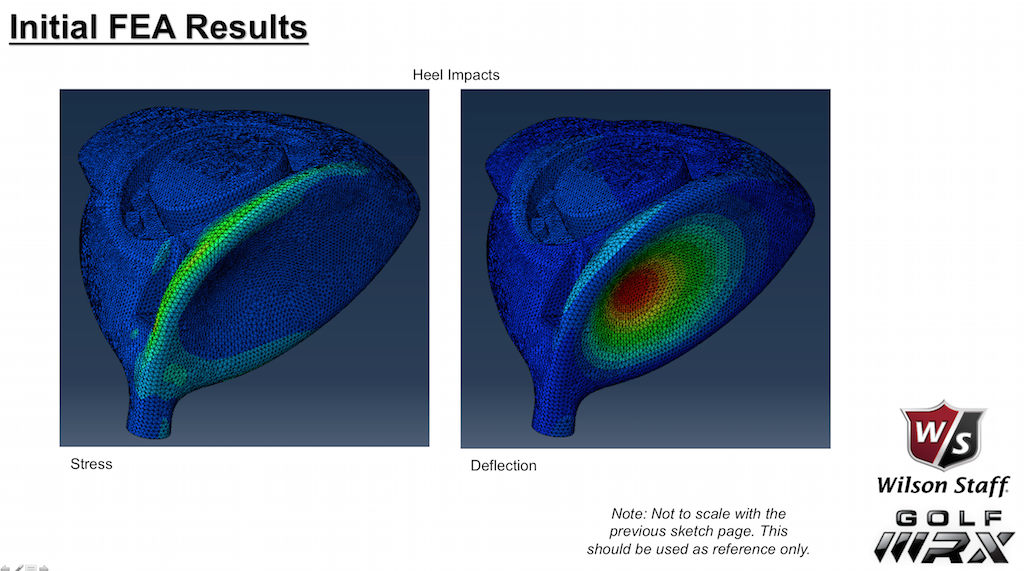
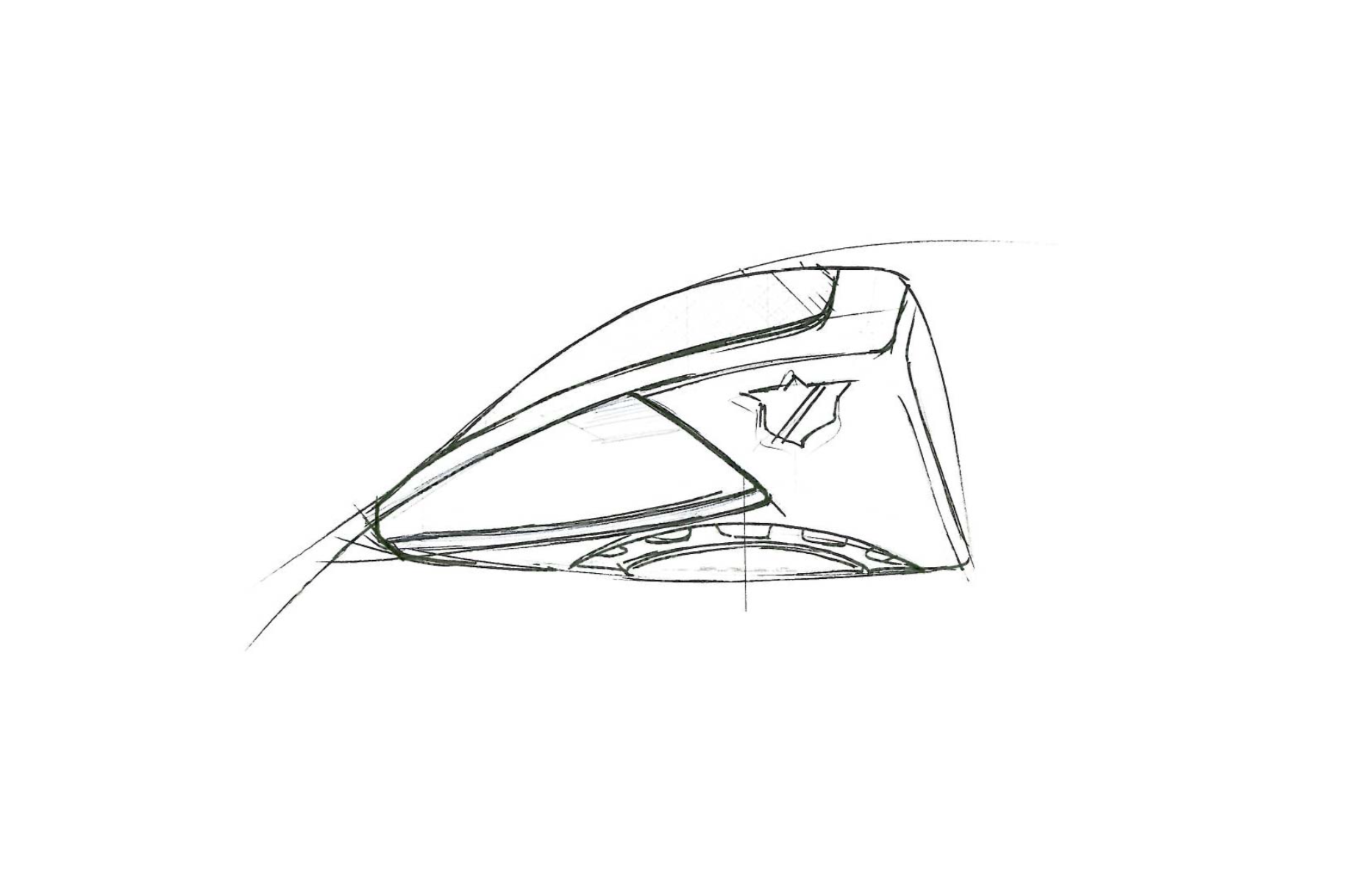
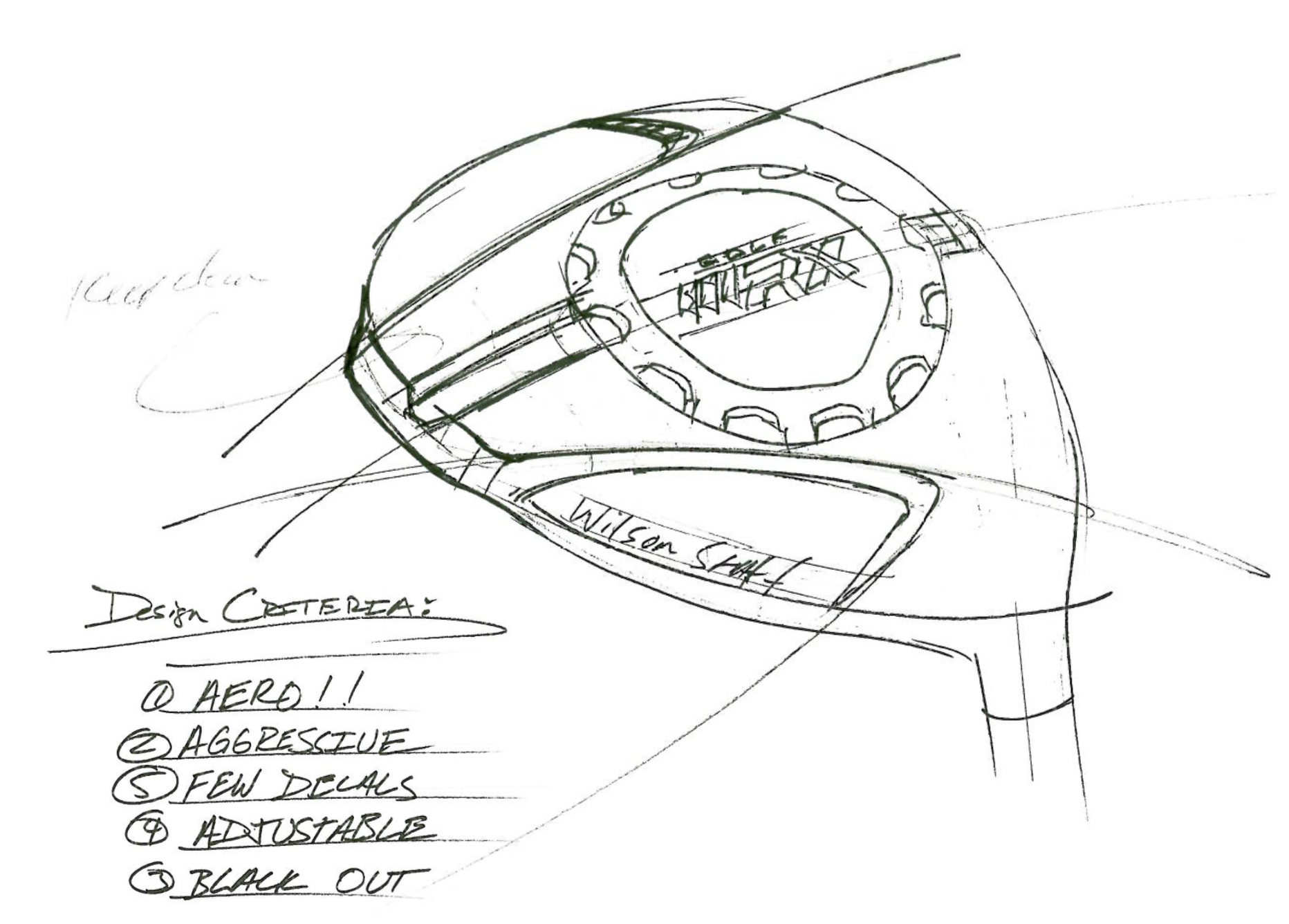
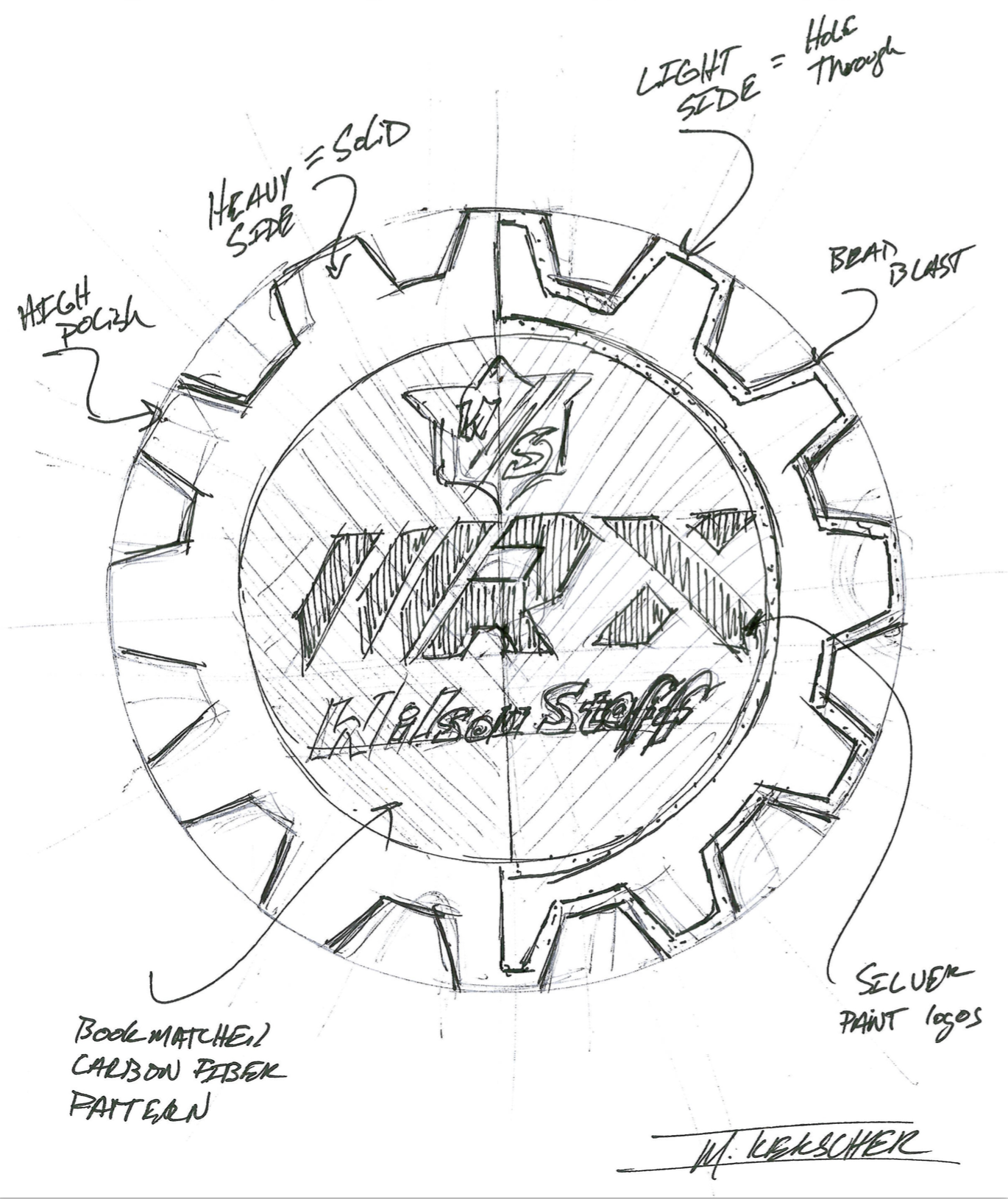
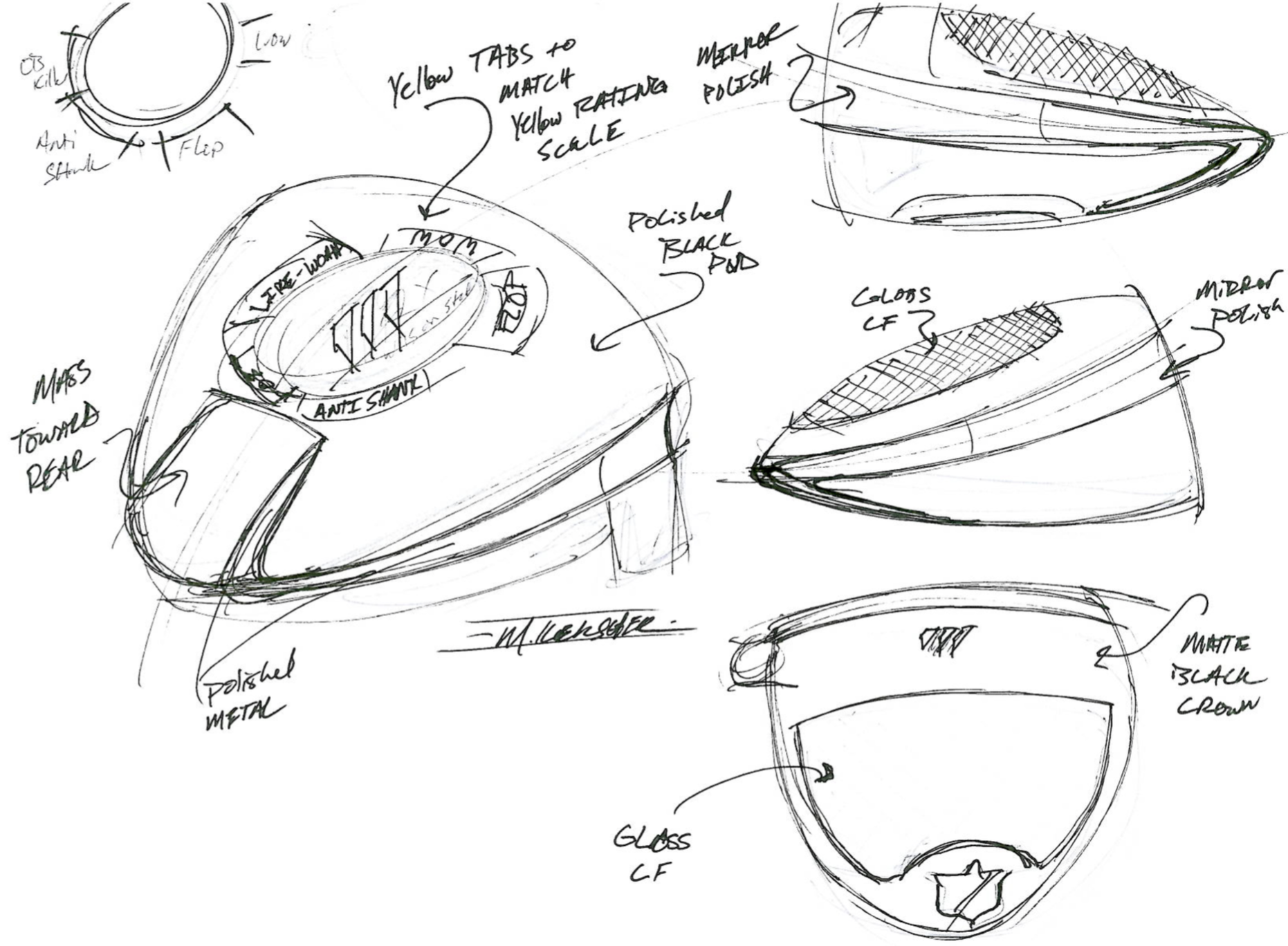
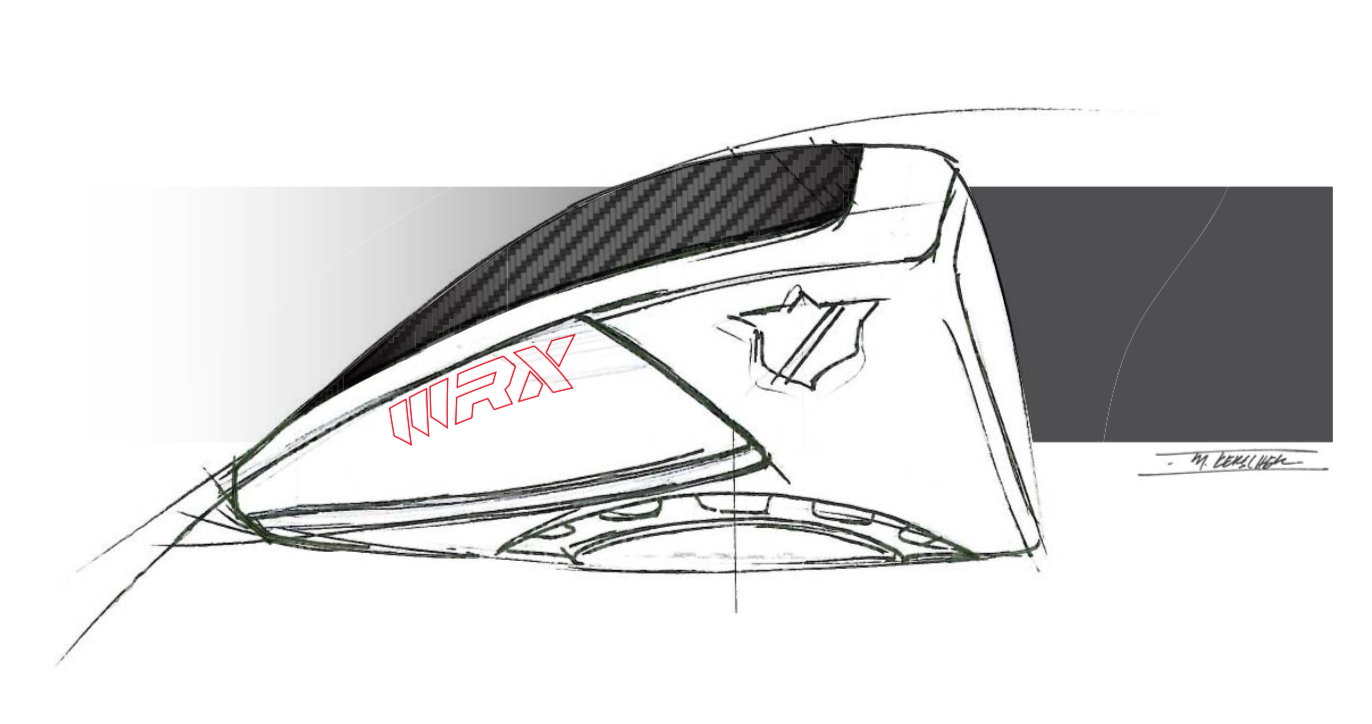
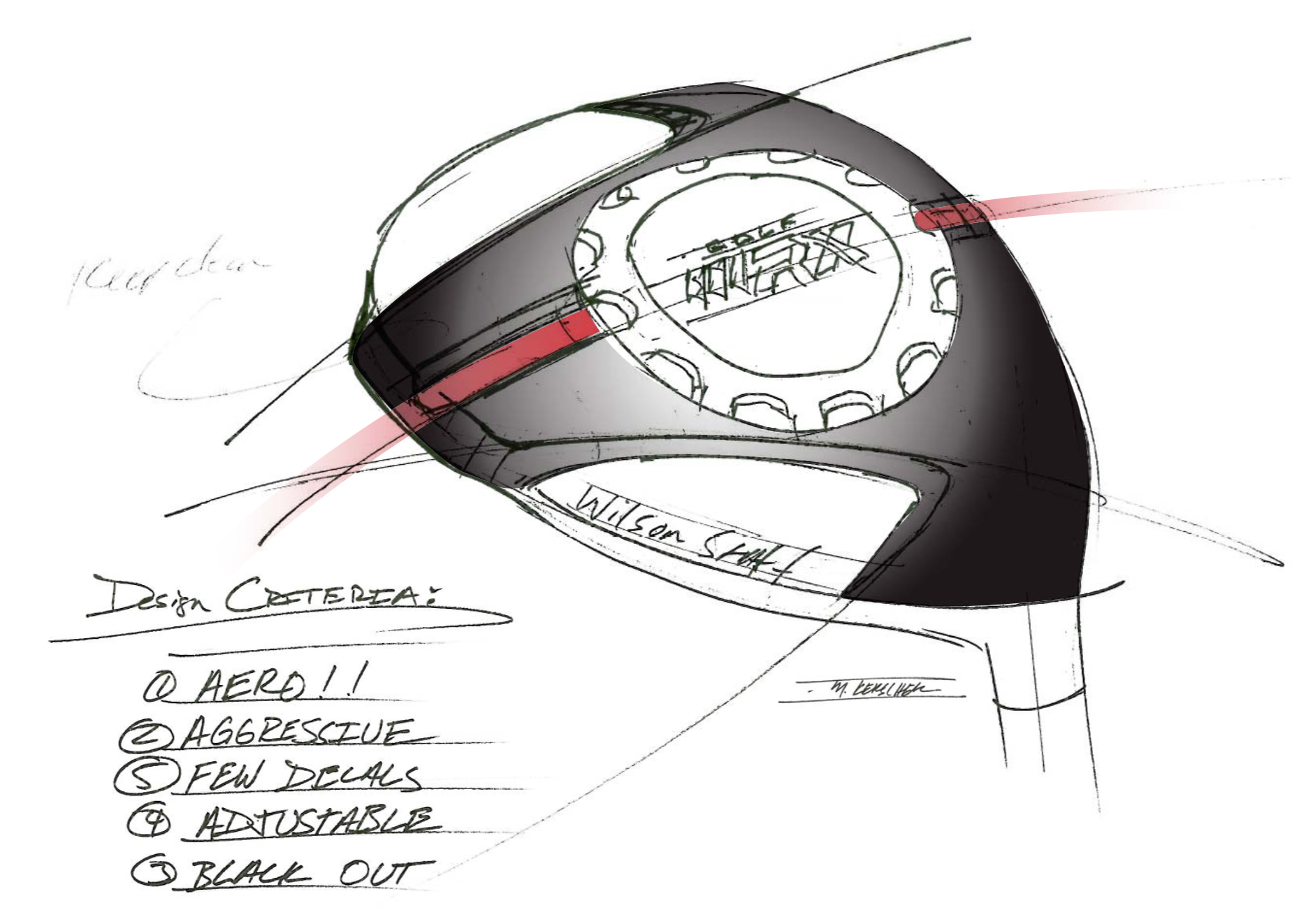
Enjoy the gallery below featuring all of the sketches, CAD designs, FEA tests, etc., and don’t forget to vote in the poll below!


Poll
 Loading ...
[wrx_retail_links productid=”112″]




Equipment
Putters that never made it: Check out some of the best tour builds that didn’t make the cut

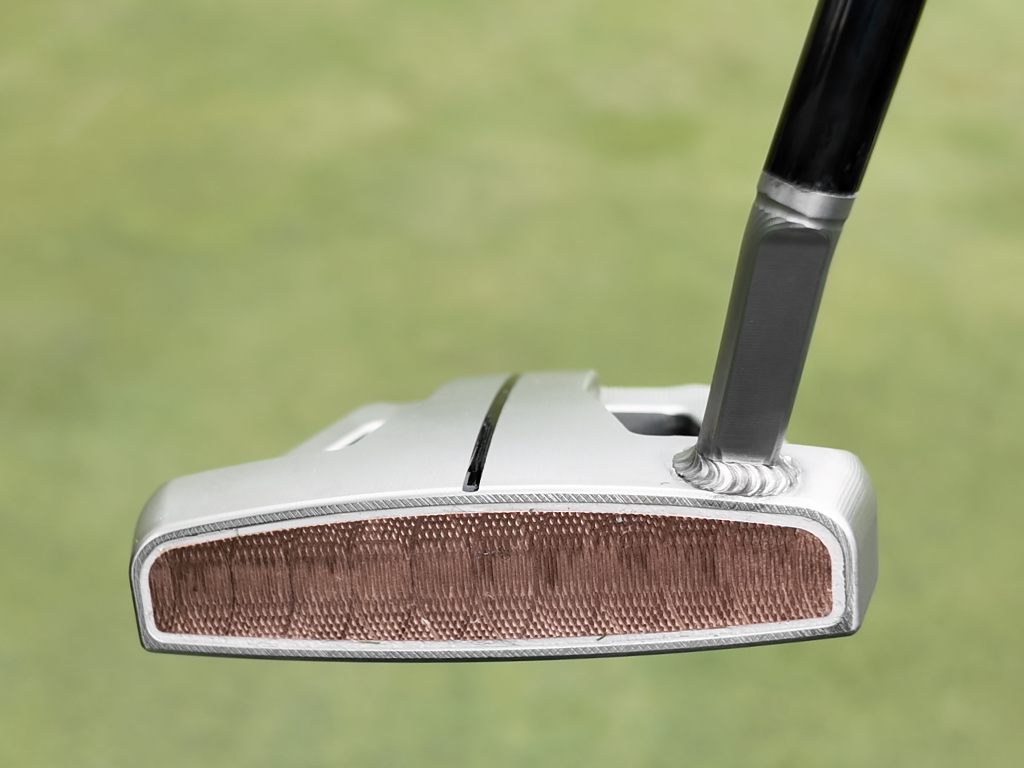
Arguably, the best perk of being a professional golfer on the PGA Tour is the ability to request or even just be handed pretty much any club you could think of. It happens more often than you think, usually with putters around the practice green from one event to the next. Come Wednesday, the Tour bags lining the edge of the putting surface become resting places for fallen flatsticks that never made the cut.
So let’s take a look at some of the best we’ve seen out on Tour this year that never made it to the competition. (You may notice none of Hideki Matsuyama’s custom Scotty Cameron putters made this list. There are too many.)
Let’s start with this custom Damascus Milled Odyssey Rossie made for Ryo Hisatsune. Featuring a single line and the short-slant hossel, we’ve seen plenty of Number 7 and jailbird heads featuring the Damascus Milled insert, but this is the first and only one we’ve spotted in a Rossie. Hisatsune primarily putts with an Odyssey Black Series iX #9, but we have seen him recently with a TaylorMade TP Collection SOTO, so there could be potential that the Damascus Milled Rossie could end up in the bag.

Everyone wants to be Cameron Young right now. We’ve had Justin Thomas and Tom Hoge both game the Scotty Cameron 9.5R prototype. Well, for the PGA Championship, Brooks Koepka nearly joined that list after requesting the same style of putter, with the full-length alignment line. But the Scotty Cameron reps took the request a step further and made one specially for Koepka with a Teryllium insert, similar to one in his previous Newport 2 gamers. The reason why this one didn’t go into play, though? Because it was too heavy.

Harry Hall was the third-best putter on Tour last year, so when Bettinardi made him a custom proto, you know it was going to be good. The custom BB28 blade features VDF face milling, a custom-welded single-bend shaft, and the owner’s initials – HH – on the sole of the putter. Hall, who usually games an Odyssey O-Works #7 W, has dabbled with a TaylorMade Spider Tour X already this year. Maybe there’s a chance this Bettinardi might make his bag.

Honestly, this one doesn’t need a description. It’s Kieth Mitchell’s custom Scotty Cameron Napa. One Scotty Cameron face stamp, two Scotty Dogs, two Scotty Cameron 7-Point Crowns and one Circle T. That is all. Oh, except for the Cashmere Cameron headcover.

Finally, and just for fun, how about we pour one out for this TaylorMade Spider Tour X made for Scottie Scheffler in its new torched finish. It’s unlikely we’ll see a putter change anytime soon from the best golfer in the world. In fact, he hit just two putts with it on the Harbour Town practice before going back to his trusty gamer.


Driver: Titleist GT3 (9 degrees) Buy here.
Shaft: Aldila Rogue Silver 130 M.S.I. 70 TX


3-wood: TaylorMade Qi35 (15 degrees)
Shaft: Fujikura Ventus Blue 7 X

7-wood: TaylorMade Qi35 (21 degrees)
Shaft: Fujikura Ventus Blue 8 X

Irons: Grindworks PR-202 (4), Grindworks PR-101A (5-PW)
Shafts: True Temper Dynamic Gold Tour Issue X100


Wedges: Cleveland RTX6 Tour Rack (52-10 Mid), Titleist Vokey Design SM10 (56-08M), SM11 (60-04T)
Shafts: True Temper Dynamic Gold Tour Issue S400


Putter: Scotty Cameron Tour Rat 1.5 Tour Prototype


Ball: Titleist Pro V1x
Grips: Golf Pride MCC


In our forums, our members have been discussing their favorite major winning irons used by Tiger Woods. WRXer ‘golferdude54’ kicks off the thread saying:
“Mizuno MP 14/29. Titleist 681T. Nike Forged Blades. TaylorMade P7TW.
Among these irons that helped Tiger win 15 majors, which is your favorite in terms of looks?”
And our members have been naming their favorites and why in response.
Here are a couple of posts from the thread, but make sure to check out the entire discussion and have your say at the link below.
- SwingBlade: “I prefer the early blades he played and the more recent TM TW’s especially because after Tiger had his major behavioral setbacks, part of Nikes support payback was making Tiger play a Nike putter and cease using his beloved uniquely customized Scotty putter.”
- ProjectX: “This (Nike Forged Blades) and there’s not even a close second.”
Entire Thread: “Which of Tiger’s major winning irons are your favorite? – GolfWRXers discuss”

Justin Rose WITB 2026 (April): Full WITB breakdown with new McLaren irons

RBC Heritage Tour Report: More minis, course-specific setups, Spider & GTS launches

What’s the story behind Webb Simpson’s custom-stamped irons?

Cadillac Championship Tour Report: Spieth’s sizable changes, McLaren Golf launches, and more

Kristoffer Reitan’s winning WITB: 2026 Truist Championship

Cameron Young’s winning WITB: 2026 Cadillac Championship

Aaron Rai’s winning WITB: 2026 PGA Championship

Nelly Korda WITB 2026 (April)

Justin Rose on the switch to McLaren Golf, learnings from previous equipment moves

Photos from the 2026 PGA Championship


Patrick Reed WITB 2026 (May)
Driver: Titleist GT3 (9 degrees) Buy here. Shaft: Aldila Rogue Silver 130 M.S.I. 70 TX 3-wood: TaylorMade Qi35 (15 degrees)...

Aaron Rai’s winning WITB: 2026 PGA Championship
Driver: TaylorMade M6 (9 degrees) Shaft: Aldilda Synergy Blue 70 TX 3-wood: TaylorMade Qi10 (15 degrees) Shaft: Fujikura Ventus Blue...


Michael Block WITB 2026 (May)
Driver: TaylorMade Qi4D (9 degrees) Shaft: Fujikura Ventus Black VeloCore+ 5 X 3-wood: TaylorMade Qi4D (15 degrees @14.25) Shaft: Mitsubishi...


Bryson DeChambeau WITB 2026 (May)
Driver: Krank Formula Fire Pro (6 degrees) Shaft: Project X Prototype 3-wood: Krank Formula Fire (10 degrees) Shaft: LA Golf BAD...
-
 Whats in the Bag3 weeks ago
Kristoffer Reitan’s winning WITB: 2026 Truist Championship
-
Whats in the Bag2 weeks ago
Aaron Rai’s winning WITB: 2026 PGA Championship
-
 Tour Photo Galleries3 weeks ago
Photos from the 2026 PGA Championship
-
 Equipment2 weeks ago
GolfWRX Launch Report: 2026 Titleist GTS drivers
-

 Equipment2 weeks ago
PGA Championship Tour Report: Fitzpatrick, Koepka among big-name putter switches for Aronimink
-

 News2 weeks ago
WITB Time Machine: Phil Mickelson’s winning WITB, 2021 PGA Championship
-

 Equipment2 weeks ago
Which of Tiger’s major winning irons are your favorite? – GolfWRXers discuss
-

 Equipment2 weeks ago
Lead Tape Report: Adjusting the swingweight of the Wanamaker Trophy


Jeremy
Oct 17, 2016 at 8:56 pm
The TV show is a trainwreck so far. None of the contestants really understand or seem to play golf. There is little drama. It’s not interesting-bad, but boring-bad.
Dave r
Oct 9, 2016 at 5:12 pm
Great article was going to pass right by it but glad I read it very interesting in deed .
RAT
Oct 6, 2016 at 12:16 pm
I like the idea of a contest on designing a driver and giving all that money away. This gets other ideas and involvement from people that just may have a great idea that is out of the box ! I bet there would be a lot more discussion if some other mfg. came up with this (Callaway )(TM)(Titleist) .It would be sooooo super and the greatest driver ever with 17 yards gained. But it isn’t and that’s the thorn in the side. At least it’s got people watching how designs are turned into a product. It’s certainly not easy and designs are so close to copying some others that one has to be very careful . I hope that it’s a great driver and a great show. Time will tell.
Z
Oct 6, 2016 at 2:40 am
Somebody squash this idiot like a bug
Wesley
Oct 5, 2016 at 10:45 pm
Thanks for an insightful article. Interesting look at how it really is to design a modern driver. It looks cool to me. Any driver that allows the user to have a ‘Fade’ position is a real win.
Ronnie
Oct 5, 2016 at 1:36 am
I like this show it was a break from BIG Break….Wilson is getting more and more back into golf, loosing Nike should help keep them around……Still remember when Wilson tossed out John Daly soon after he won the British Open with their odd looking driver….it was said they would never sell another driver after that….I think they are still trying to regain that part of the market…they should just re-sign Daly he is the longest on the Champions Tour now.
rymail00
Oct 4, 2016 at 11:20 pm
Andrew—-
Are you on the actual show? Or was your WRX design driver just looked over by the Wilson team to help promote the show (just curious, regardless enjoyed the this article a lot).
James
Oct 4, 2016 at 4:19 pm
Is Brian Urlacher an avid golfer? Maybe they trust a gritty Chicago opinion? I’m so confused why he is involved in this show?
VL
Oct 5, 2016 at 12:53 am
Because, doofus, he represents the 90% of hacker golfers in the world with a swing like his who seek a club helps them hit it long and straight. So him being a celebrity helps the show as well.
The Real Swanson
Oct 4, 2016 at 2:56 pm
Wilson should try and make a decent blade like they last did in the 80’s and early 90’s.
Stephen Tomlinson
Feb 13, 2019 at 10:47 am
#staff Proto is live! you were 18months ahead of the times
Rich
Oct 4, 2016 at 10:01 am
Looks absolutely crap!
CHip
Oct 4, 2016 at 8:48 am
The rear extension is very smart, so is the clicking gear to change weights around. If I had one request to new driver designer it would be to go the way of the R11 and make the lie angle adjustable. That adjustment plate was genius. Change the loft on the hosel, change the lie angle on the sole plate.
Matto
Oct 5, 2016 at 6:13 pm
Yeah………unless you hover your driver at address, which a lot of people do. And then it’s pointless. Which I believe was why that system was done away with.
Ti
Oct 4, 2016 at 2:20 am
Well Andrew, one idea to be able to make this heavier head work would be to use it on 43 or 44 inch shaft with a slightly heavier grip-end set up where you could use some counter weight or something to offset the heaviness, and make yours a better player driver (which it would be with all the adjustable tuning that lazy amateur high-handicappers don’t really want to deal with), with a heavier, stiffer, more tip-reinforced shaft. Might be interesting to try it
Adam
Oct 4, 2016 at 12:51 am
Based on the fact that the parameters for production are so strict, is there the real possibility that drivers could be made THAT much better if they were non-conforming? One of the biggest issues in golf today seems to be getting people interested in “having fun” aka hitting it like the pros. Personally, I could care less if your average weekend golfer used a non-conforming driver.
Based on your experience, Andrew, do you think the designers at the major club manufacturers could provide normal golfers with leaps and bounds performance enhancements if they weren’t constrained by the USGA regulations?
It makes sense to me that people should play with what they want. If you’re not even thinking of playing in anything competitive, who cares what you use? Enjoying the game is what matters most, and allowing players to hit it longer and/or straighter seems like it could help draw players to the game.
All that said, I love your design, and the gear is a masterful idea. Similar to the R1 a bit, but great use of the space available.
KK
Oct 3, 2016 at 9:30 pm
One of the best golf articles ever.
Sean Hoffman
Oct 3, 2016 at 7:30 pm
Why you walkin?
Kurren
Oct 3, 2016 at 6:56 pm
This is so cool! Really looking forward to this show. I’m curious to see if there will be a HiBore type design. I made a thread last year asking why that shape wasn’t ever used again. It seems to tick all the boxes, you are saving volume with the scoop, so you have more room to make the driver have a bigger footprint to push CG rearward. Also since the crown weight is lower, the CG would also be lower. Seems great to me?
Des
Oct 3, 2016 at 5:18 pm
i think it’s a very cool design concept. I would love to hit it. I hope it at least makes it to prototype so we get to see how it performs. I think you’re on a very good track with this
yMH
Oct 3, 2016 at 8:27 pm
yEAH yOUR mUM’S hEAD IS ON IT
Jake
Oct 3, 2016 at 4:52 pm
So once I saw this article and saw how overly complicated the process is and what is trying to be achieved through this show and what was designed here in by the author all I can think about is how about we just follow a couple of trends that are apparent across the OEMs producing top tier drivers.
1. Carbon gives you freedom to move weight around a little more freely
2. move able weight is a good thing when moved correctly….
3. Stick with a familiar shape… Like TM, Titleist and some of the Cally drivers. Weird shapes have came and gone already a few times. The market has already told these companies that doesn’t work.
Solution: Use a carbon crown that can easily be removed, you could use the same screw for the hosel loft adjustment. Maybe I’m not an engineer. Use hot melt for the move able weight. This is already a proven method of modifying weight dynamic and gives the driver better acoustics. Train fitters on where allocating the hot melt weight would best benefit the fitee. Doing this would increase the number of people buying at full retail and would encourage people to get fit to get the most out of the driver they are buying, do to restricted access to people able to hot melt.
There you have it a truly customized move able weight driver without all the ugly cosmetics of trying to find out how to move the weight around also cuts down on people like me and lots of golfwrxers who buy off ebay or other outlets to get the same driver at a discount.
G
Oct 3, 2016 at 5:12 pm
Why don’t you have a nice cup of STFU if you don’t know anything at all. You’re just clutching at straws like everybody other idiot pretending to know something they know nothing about.
Every metal wood and hybrid all have some amount of goop in them. Beyond that, having adjustable removable weights is the norm. The design on this page needs to have that component instead of having to hot metal anything at all.
Go play tennis, if you don’t want this stuff
Jnak97
Oct 3, 2016 at 3:19 pm
I would be interested to see what the tails does in a wind tunnel, but the top view is a little hard to look at. The gear is an interesting advent and pretty unique compared to other cg shifting techniques in the market now. So it would have a carbon fiber crown?
Sean
Oct 3, 2016 at 2:48 pm
Nicely done Andrew! I would certainly give it a “shot”. Good luck!
MIKEYP
Oct 3, 2016 at 2:30 pm
An honest question, if there was a way to make a driver better, wouldnt the R&D departments at all the large club manufactures have figured it out by now? I hit my 2005 Cleveland as straight and as far as my M2 with the same diamana shaft and golf pride grip.
Ummmm
Oct 3, 2016 at 3:45 pm
Yes – there is no more innovation left only cosmetics
Eej
Oct 3, 2016 at 3:50 pm
No.
Because you’re an eejit
Get air
Oct 3, 2016 at 12:42 pm
Great article, and I like your design. Already set the DVR for the show. What a great idea for Wilson. Hope this gets their name back out there again. Even my kids who aren’t really into golf yet are super interested in this show.
Matt
Oct 3, 2016 at 12:10 pm
That thing is hideous.
Phil
Oct 3, 2016 at 11:12 am
How many episodes did you just ruin by posting this? Do I even need to watch the show?
Mouldfan
Oct 3, 2016 at 11:36 am
Did you fail third grade reading comprehension? The article was about the author’s personal experience attempting to accomplish what the show’s contestants were being asked to do. It mentions nothing about the show other than noting its name, sponsor, air time, host, judges, and the ultimate reward. It reveals nothing about the show’s actual content, divulges nothing about specific episodes, and, therefore, in no way “ruins” anything. Do you really think the folks at Wilson and/or the Golf Channel would be that dumb to provide specific details about the show before it even airs? Please do us all a favor and step away from your computer and out of your mom’s basement.
Mike Honcho
Oct 3, 2016 at 12:36 pm
I thought you were too busy making snide remarks at the Ryder Cup to have time to come on here and do the same.
Boobsy McKiss
Oct 3, 2016 at 10:45 am
Telling story of the state of the golf industry when they are asking randoms to design the next gen gear?
the guy
Oct 3, 2016 at 2:16 pm
This article proves that what they are looking for is not a new golf club engineer, just a simple good idea. They took Andrew’s hideous and kind of silly idea and turned it into something sort of workable that looked like a driver you might see (that nobody would ever buy thanks to that tail).
The Wilson engineers are going to do the heavy lifting.
Ummmm
Oct 3, 2016 at 3:46 pm
Yeah because they have such a solid track record creating golf clubs that do well at retail 🙂
Every single one of them should be fired