
Equipment
Should your next set of irons have graphite shafts?

The days of steel-shafted irons are numbered.
That’s what golfers are hearing from graphite shaft makers, who after many years of trial and error have created a new crop of products that are breaking down the perception that graphite shafts can’t possibly match the performance of steel models.
“What we’re seeing is the evolution of graphite shafts,” says Ian Fraser, the lead club fitter at Modern Golf, a custom golf club fitting facility in Toronto. “Shaft makers are getting really smart about the way they make graphite iron shafts.”
For years, golfers with slow clubhead speeds have reaped the benefits of graphite iron shafts, which can be as light as 50 grams each — half the weight of the average steel shaft. Their lightweight design can help certain golfers, particularly ladies and seniors, swing their irons faster. And the low bend points of many lightweight graphite shafts can also help boost launch and spin, a big part of the equation to help golfers with limited clubhead speeds hit their irons farther.
But graphite shaft makers have struggled to impress better golfers, who knowingly or not tend to build their iron games around the shaft they play, Fraser says. That’s because for decades, the shaft of choice for better golfers has been True Temper’s Dynamic Gold, a heavyweight steel shaft with a high bend point that produces a low, penetrating ball flight.
“Better golfers are used to seeing the Dynamic Gold ball flight,” Fraser says. “When you give them something that’s a little different, they get scared of it.”
In the past, manufacturers tried to create graphite shafts that felt and performed like popular steel models by adding additional layers of graphite in key areas of the shaft. That not only helped increase weight, but it gave the shafts a similar launch to popular steel models. The problem was that the additional graphite material made the walls of the shafts thicker, which according to Joe Kwok, owner of Joe Kwok Golf Shop in San Francisco, Calif., made them feel overly stiff to golfers.
“During a fitting, golfers are operating on feel,” Kwok says. “They say, ‘Man, these graphite iron shafts feel as stiff as a board.’ On the machine scale they’re not, but that’s how they feel.”
The biggest selling point of graphite iron shafts has always been their ability to ability to reduce vibration, which helps minimize wear and tear on a golfer’s joints. That can mean more rounds, longer practice sessions and less injuries. But now there’s a new reason to make the switch. Advancements in materials and construction have allowed manufacturers to make graphite iron shafts that feel more similar to steel, and in some cases can offer better performance.
So what’s the downside of graphite shafts? Well, like all premium equipment in golf, it’s cost. Certain models can sell for as much as $115 per shaft, while most steel shafts cost only $15-to-$40 each.
Not scared of the extra cost? Here’s four top-rated graphite iron shafts to try, and what you need to know about each of them.
Aldila RIP Tour
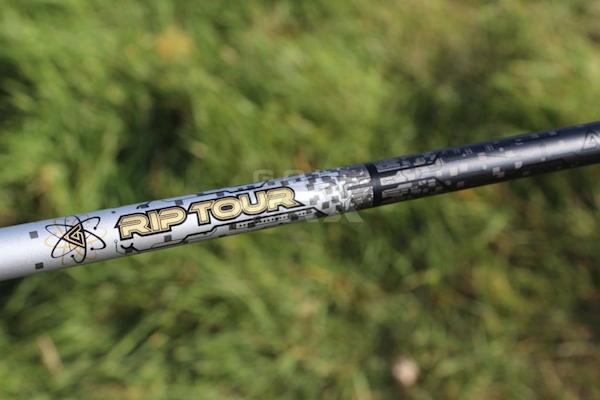
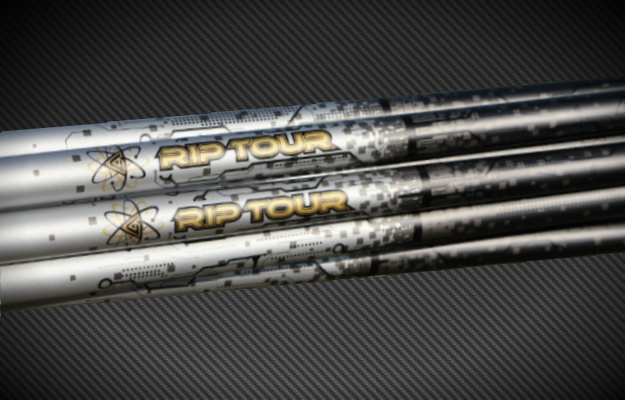
Aldila’s RIP Tour graphite iron shafts give golfers greater control over the twisting of the club face thanks to their extremely low torque, which at 1-to-1.4 degrees is actually lower than that of tour-quality steel shafts.
Their low torque is made possible by the company’s extremely strong “torque control fibers,” which run at a 45-degree angle to a shaft’s axis. Those fibers have a strength of 40 MSI (40 million pounds per square inch), 30 percent stronger than steel, and are balanced throughout the shaft to offer consistency that is as good if not better than steel shafts, says John Oldenburg, vice president of R&D and new product development for Aldila.
Aldila’s RIP Tour shafts were used to win twice on the PGA Tour in 2013, by Boo Weekley at the Crowne Plaza Invitational and by Ken Duke at the Travelers Championship. They’re offered in three different stiffnesses that are indicated by the color of the words “RIP TOUR” on the shaft. Gold is the stiffest, while silver is less stiff and copper are the softest.
Cost: About $50 each
Weights available: 115 grams and 90 grams
AeroTech SteelFiber
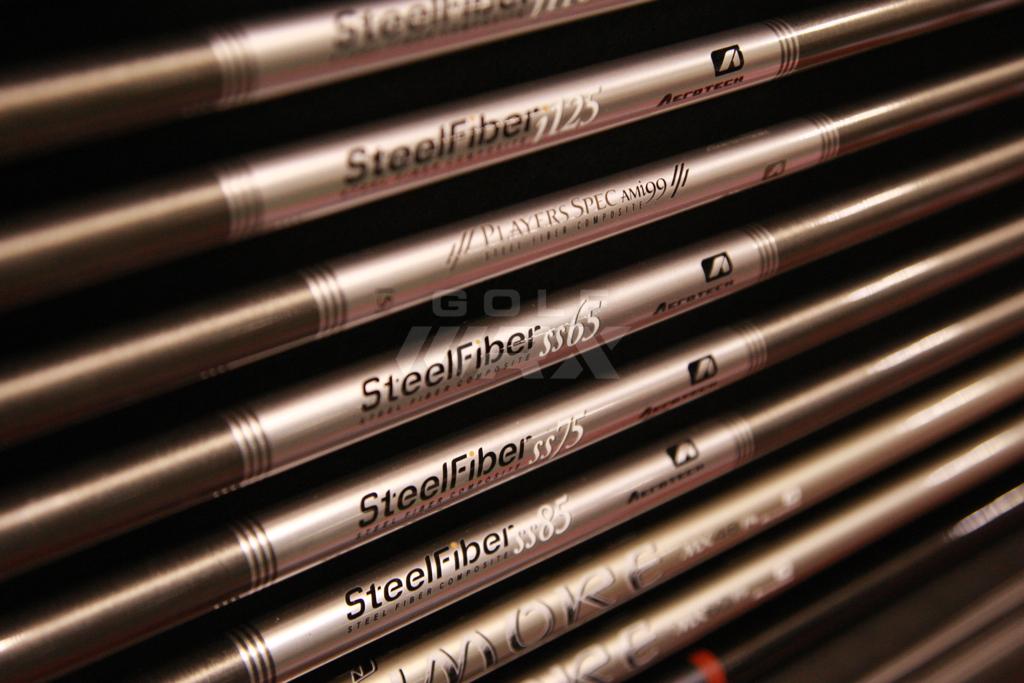
AeroTech Steelfiber shafts are made with a high-strength graphite core, which is wrapped with thread-like “steel fibers” that are eight microns in diameter, about one-tenth the diameter of a human hair. The idea is to give the shafts the vibration absorption of graphite, but add to the stability that golfers have grown accustomed to from steel.
“The hoop orientation of the SteelFiber material keeps the shaft from deforming at impact,” says Chris Hilleary, President of Aerotech and designer of the SteelFiber shaft. “It also surface weights the shaft, which improves MOI to keep the shaft from wanting to twist at impact.”
While the shafts are more than a decade old, they have spiked in popularity in recent years due to usage by Matt Kuchar, who began playing the shafts in his iron in 2008. After trying Kuchar’s shafts, Brandt Snedeker put the same shafts in his irons, and several other PGA Tour players have followed suit.
Interested golfers should know that the higher balance point of the shafts will decrease an iron’s swing weight by about three points, which won’t be much of a problem if you’re buy a new set of irons from an established club builder. But if you’re planning to use your current set of iron heads, be prepared to deal with lighter-feeling heads or break out a roll of lead tape. Also, SteelFiber shaft also tend to play stiffer than the indicated flex, which is why Kuchar and Snedeker each play stiff-flex 95-gram models.
Cost: About $55 each
Weights available: 74 to 125 grams
nVentix Nunchuk xi
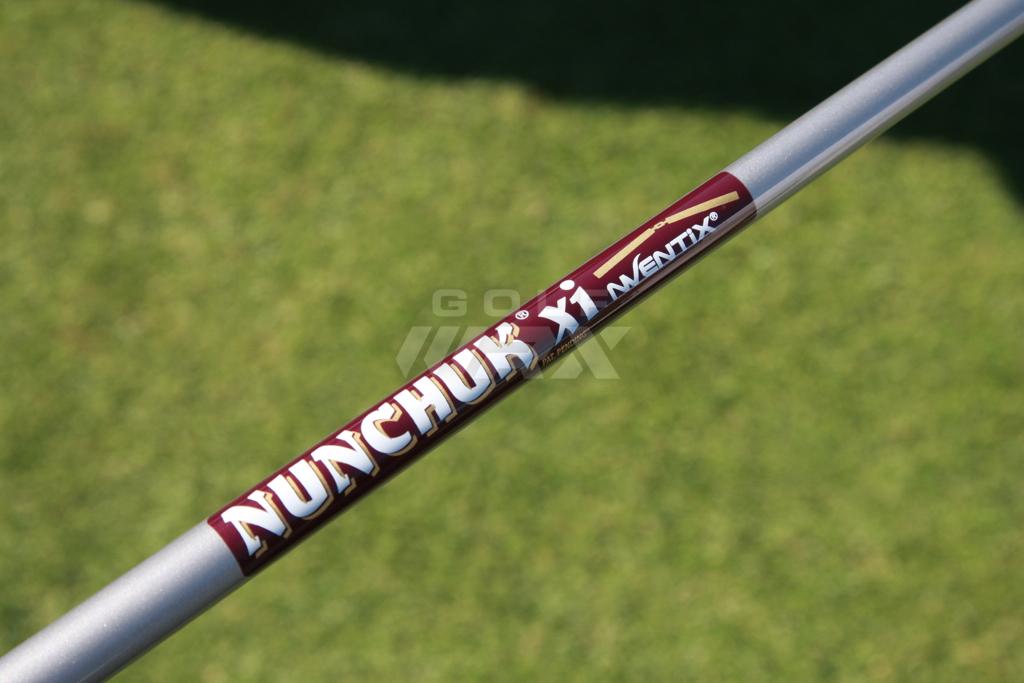
Nuncuck’s xi graphite iron shafts have a two-pronged design: very stiff tip and butt sections and a softer mid section to help control the amount of a shaft’s twisting. That design helps the shafts maximize the stability of the club face, the company says, leading to more consistent contact regardless of a golfer’s swing speed.
Since the shafts come in one flex and one weight, 104 grams, the weight of the shafts will decrease as they are cut shorter. That means weight will have to be added to the club heads on the short end of the set to achieve consistent swing weights.
Cost: About $55 per shaft
Weights available: 104 grams
UST Mamiya Recoil
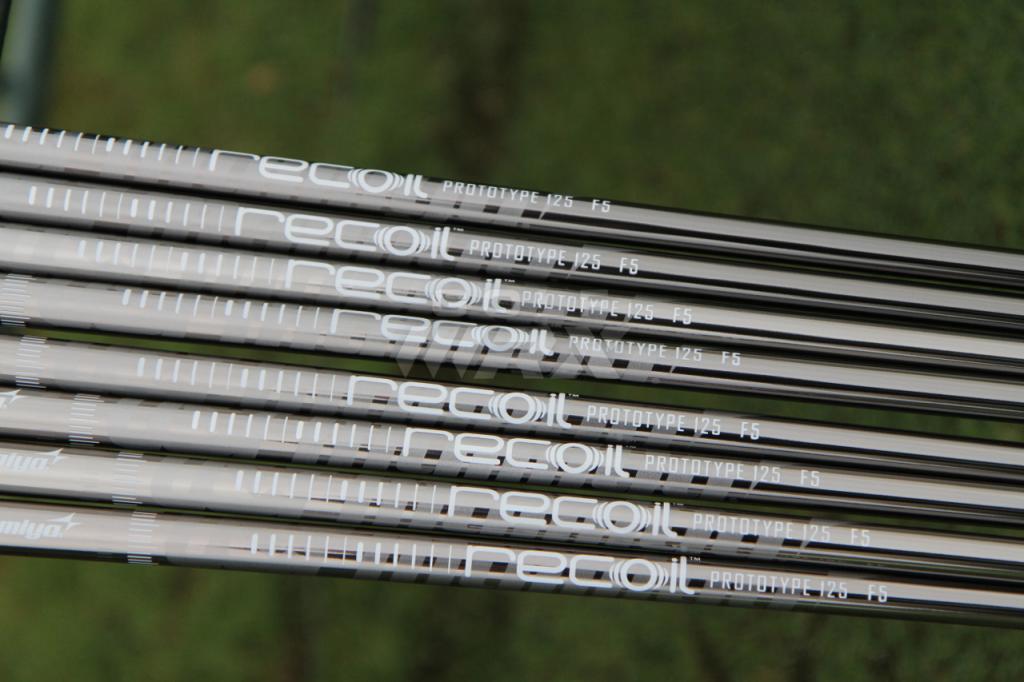
UST Mayima’s “Recoil” shafts are constructed with denser graphite materials, which allows engineers to increase the weight of the shafts without making the walls overly thick. That change lets the shafts “oval” more during the downswing, creating a better energy transfer and a trajectory that’s similar to leading steel models.
Recoil shafts have gotten high marks for feel from better players, some of which have seen slightly increased ball speed over a period of shots when compared to steel. They’re available in several different models, but it’s the heavier, stiffer Recoil Prototype shafts that have caught the attention of long-time steel shaft users, including Jason Day and Ernie Els, who have experimented with the shafts on the PGA Tour.
The company also makes a “standard” Recoil shaft model, which is available in the same weights as the Recoil Prototype — 95, 110 and 115 grams — but have more torque and a softer overall profile.
Models, weights, flexes:
- Recoil Prototype: Taper tip, 95, 110 and 125 grams, available through UST Mamiya TourSPX dealers only
- Recoil (standard): Taper tip, 95, 110 and 125 grams
- Recoil 800 Series: Parallel tipped, 50-to-94 grams depending on flex, available through UST Mamiya TourSPX dealers only
- Recoil 600 Series: Parallel tipped, 67-to-84 grams depending on flex
Cost: From $40 to $115 Recoil per shaft, depending on model.


Equipment
Putters that never made it: Check out some of the best tour builds that didn’t make the cut

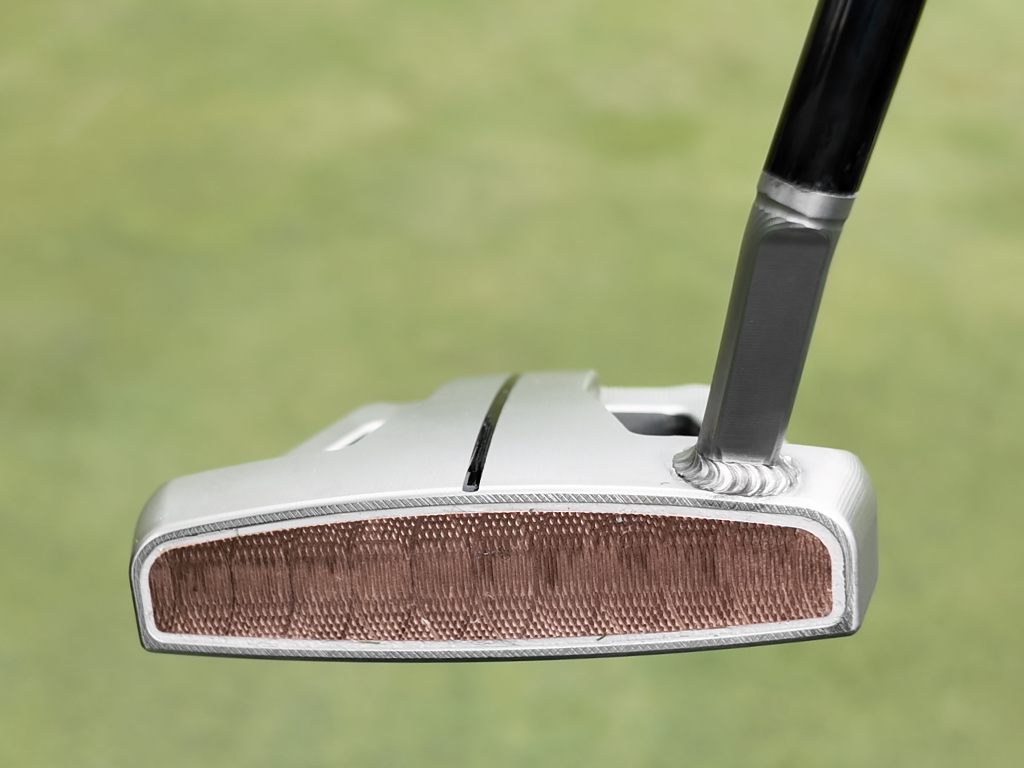
Arguably, the best perk of being a professional golfer on the PGA Tour is the ability to request or even just be handed pretty much any club you could think of. It happens more often than you think, usually with putters around the practice green from one event to the next. Come Wednesday, the Tour bags lining the edge of the putting surface become resting places for fallen flatsticks that never made the cut.
So let’s take a look at some of the best we’ve seen out on Tour this year that never made it to the competition. (You may notice none of Hideki Matsuyama’s custom Scotty Cameron putters made this list. There are too many.)
Let’s start with this custom Damascus Milled Odyssey Rossie made for Ryo Hisatsune. Featuring a single line and the short-slant hossel, we’ve seen plenty of Number 7 and jailbird heads featuring the Damascus Milled insert, but this is the first and only one we’ve spotted in a Rossie. Hisatsune primarily putts with an Odyssey Black Series iX #9, but we have seen him recently with a TaylorMade TP Collection SOTO, so there could be potential that the Damascus Milled Rossie could end up in the bag.

Everyone wants to be Cameron Young right now. We’ve had Justin Thomas and Tom Hoge both game the Scotty Cameron 9.5R prototype. Well, for the PGA Championship, Brooks Koepka nearly joined that list after requesting the same style of putter, with the full-length alignment line. But the Scotty Cameron reps took the request a step further and made one specially for Koepka with a Teryllium insert, similar to one in his previous Newport 2 gamers. The reason why this one didn’t go into play, though? Because it was too heavy.

Harry Hall was the third-best putter on Tour last year, so when Bettinardi made him a custom proto, you know it was going to be good. The custom BB28 blade features VDF face milling, a custom-welded single-bend shaft, and the owner’s initials – HH – on the sole of the putter. Hall, who usually games an Odyssey O-Works #7 W, has dabbled with a TaylorMade Spider Tour X already this year. Maybe there’s a chance this Bettinardi might make his bag.

Honestly, this one doesn’t need a description. It’s Kieth Mitchell’s custom Scotty Cameron Napa. One Scotty Cameron face stamp, two Scotty Dogs, two Scotty Cameron 7-Point Crowns and one Circle T. That is all. Oh, except for the Cashmere Cameron headcover.

Finally, and just for fun, how about we pour one out for this TaylorMade Spider Tour X made for Scottie Scheffler in its new torched finish. It’s unlikely we’ll see a putter change anytime soon from the best golfer in the world. In fact, he hit just two putts with it on the Harbour Town practice before going back to his trusty gamer.


Driver: Titleist GT3 (9 degrees) Buy here.
Shaft: Aldila Rogue Silver 130 M.S.I. 70 TX


3-wood: TaylorMade Qi35 (15 degrees)
Shaft: Fujikura Ventus Blue 7 X

7-wood: TaylorMade Qi35 (21 degrees)
Shaft: Fujikura Ventus Blue 8 X

Irons: Grindworks PR-202 (4), Grindworks PR-101A (5-PW)
Shafts: True Temper Dynamic Gold Tour Issue X100


Wedges: Cleveland RTX6 Tour Rack (52-10 Mid), Titleist Vokey Design SM10 (56-08M), SM11 (60-04T)
Shafts: True Temper Dynamic Gold Tour Issue S400


Putter: Scotty Cameron Tour Rat 1.5 Tour Prototype


Ball: Titleist Pro V1x
Grips: Golf Pride MCC


In our forums, our members have been discussing their favorite major winning irons used by Tiger Woods. WRXer ‘golferdude54’ kicks off the thread saying:
“Mizuno MP 14/29. Titleist 681T. Nike Forged Blades. TaylorMade P7TW.
Among these irons that helped Tiger win 15 majors, which is your favorite in terms of looks?”
And our members have been naming their favorites and why in response.
Here are a couple of posts from the thread, but make sure to check out the entire discussion and have your say at the link below.
- SwingBlade: “I prefer the early blades he played and the more recent TM TW’s especially because after Tiger had his major behavioral setbacks, part of Nikes support payback was making Tiger play a Nike putter and cease using his beloved uniquely customized Scotty putter.”
- ProjectX: “This (Nike Forged Blades) and there’s not even a close second.”
Entire Thread: “Which of Tiger’s major winning irons are your favorite? – GolfWRXers discuss”

Justin Rose WITB 2026 (April): Full WITB breakdown with new McLaren irons

RBC Heritage Tour Report: More minis, course-specific setups, Spider & GTS launches

What’s the story behind Webb Simpson’s custom-stamped irons?

Cadillac Championship Tour Report: Spieth’s sizable changes, McLaren Golf launches, and more

Kristoffer Reitan’s winning WITB: 2026 Truist Championship

Cameron Young’s winning WITB: 2026 Cadillac Championship

Aaron Rai’s winning WITB: 2026 PGA Championship

Nelly Korda WITB 2026 (April)

Justin Rose on the switch to McLaren Golf, learnings from previous equipment moves

Photos from the 2026 PGA Championship


Patrick Reed WITB 2026 (May)
Driver: Titleist GT3 (9 degrees) Buy here. Shaft: Aldila Rogue Silver 130 M.S.I. 70 TX 3-wood: TaylorMade Qi35 (15 degrees)...

Aaron Rai’s winning WITB: 2026 PGA Championship
Driver: TaylorMade M6 (9 degrees) Shaft: Aldilda Synergy Blue 70 TX 3-wood: TaylorMade Qi10 (15 degrees) Shaft: Fujikura Ventus Blue...


Michael Block WITB 2026 (May)
Driver: TaylorMade Qi4D (9 degrees) Shaft: Fujikura Ventus Black VeloCore+ 5 X 3-wood: TaylorMade Qi4D (15 degrees @14.25) Shaft: Mitsubishi...


Bryson DeChambeau WITB 2026 (May)
Driver: Krank Formula Fire Pro (6 degrees) Shaft: Project X Prototype 3-wood: Krank Formula Fire (10 degrees) Shaft: LA Golf BAD...
-
 Whats in the Bag3 weeks ago
Kristoffer Reitan’s winning WITB: 2026 Truist Championship
-
Whats in the Bag2 weeks ago
Aaron Rai’s winning WITB: 2026 PGA Championship
-
 Tour Photo Galleries3 weeks ago
Photos from the 2026 PGA Championship
-
 Equipment2 weeks ago
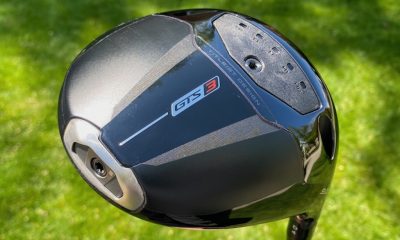
GolfWRX Launch Report: 2026 Titleist GTS drivers
-

 Equipment2 weeks ago
PGA Championship Tour Report: Fitzpatrick, Koepka among big-name putter switches for Aronimink
-

 News2 weeks ago
WITB Time Machine: Phil Mickelson’s winning WITB, 2021 PGA Championship
-

 Equipment2 weeks ago
Which of Tiger’s major winning irons are your favorite? – GolfWRXers discuss
-

 Equipment2 weeks ago
Lead Tape Report: Adjusting the swingweight of the Wanamaker Trophy


Pingback: Q&A with Josh Ep. 11: Help! It’s Time for New Irons | Josh Boggs PGA Golf Lessons
Kath Loosley
Aug 26, 2014 at 9:18 pm
Steel has more feel. I’m 62 yo. I just got Nippon Zelos 7 lightweight steel shafts in my irons. A flex 70g. I put 1.5″ of wooden dowel in the tip. No vibrations, feels great. I bought some Prosoft foam inserts just in case but no need to install them so far. I’ve tried 3 other sets of graphites including Recoils. Same distance as the steel. Steel beats graphite for accuracy and feel hands down. Go lightweight if you’re getting on in years.
Curt
May 1, 2014 at 11:24 pm
Thinking twice now. Glad I read this before I bought Steelfiber 110 Stiff,…not that fast of swing speed.
ian
Dec 28, 2014 at 1:32 am
I’ve played 110 and 95 stiffs. I’m a plus handicap senior. and semi high speed player 105mph driver.I much prefer the 95s soft stepped one.. I do play the 110s in my Gap wedge but found the 95 to have better feel, tighter dispersion and better ball flight
cole
Apr 14, 2014 at 9:22 pm
I’ve always thought about trying some, but feel too young to do it… If that makes sense. HAHA
MartyMouse
Mar 17, 2014 at 6:58 pm
Did not like the Aldila RIP Tour shafts. I hit is straight, but felt boardy to me and I couldn’t feel the shaft load properly. In all fairness, I should have tested a little weaker on the flex. Stiff felt a 1/2 flex too stiff. Will try the recoils on my next test. For now, DG S400 Tours.
Abe
Feb 27, 2014 at 8:17 am
Just got fitted for APEX irons with Aerotech i110 regular flex. They play stiff. I am a young player with a 10 HDCP. They feel the same from my True Temper shafts on my old clubs. Club head speeds dramatically reduced and club head speed increased dramatically.
paul
Feb 21, 2014 at 9:56 pm
I just ordered the I110s for my titleist CBs. Love em.
Bill OKeefe
Feb 17, 2014 at 6:29 pm
I just got a set of Titleist 714 with steelfiber shafts. I am a 1 handicapp and have been around a zero for 30 years. I was playing Srixon with Nippon 95s steel. The 714’s were specked out for me by the Titleist van guy with the all the machines. They were close in specs to my Srixons. I did not play in January even though I live in Florida. So it was a great time to break in new irons. I played 5 rounds and can not hit them, I thought my comeback was the problem. Today I played the front with the 914’s and hit one good iron. After 9 I went back to my Srixons and hit 80% of them on the button. Not sure what it is but I can not hit those clubs and they were expensive.
chris kelly
Feb 17, 2014 at 7:14 pm
i’d be interested in buying them from you 🙂
Bill O'Keefe
Feb 17, 2014 at 10:51 pm
I have 5 through PW, 1/2 over, 1 degree strong, 1 degree flat.
stiff steelfiber shaft.
jason
Feb 20, 2014 at 10:39 pm
let me guess stiff right if the aerotechs are i95 stiff they are way stiffer than Nippon 95s
ian
Dec 28, 2014 at 1:34 am
Srixon makes great gear!
joro
Feb 17, 2014 at 6:20 pm
I see the ego is running wild as usual. The problem is most want to play what the pros play so they stick with the old, many pros do also. Having been a PGA player and teacher for many moons I have been playing Graphite irons for years, and years. There are many good shafts on the market now that aren’t an arm and a leg. Cost wise steel TT Golf now runs close to 20 bucks each and others are up to 40 bucks, for a heavy steel shaft!
Graphite is lighter, easier on the body, and I think better in most cases. Most players aren’t good enough to worry about it anyway, go with the easiest. I am playing the Fiber Steel now, great shaft, but have used much cheaper shafts with good results also. The think is, learn about it, get some knowledge, hit them and find one that fits your game.
DRAGO
Feb 17, 2014 at 3:05 pm
Screw the shafts and grips!! I just hold onto the Hosel with 2 fingers and swing my arm back and through!! Best way to gauge your feel hands down (pun intended) HAHAHA
Jack Nash
Feb 17, 2014 at 12:13 pm
“For years, golfers with slow clubhead speeds have reaped the benefits of graphite iron shafts, which can be as light as 50 grams each — half the weight of the average steel shaft. Their lightweight design can help certain golfers, particularly ladies and seniors, swing their irons faster.”
Kind of a misleading statement. Just because you can swing the club faster doesnt mean you’re going to hit it farther. There are more factors other than speed. Before getting fit with the set I have now I tried graphite. It’s not for me. I don’t like the feel at the 90 grams I have in steel now feel great. I like to feel the weight of the club head and find I can’t get that with graphite. I’m all for golfers improving their games but remember, to each his own.
MFB
Feb 16, 2014 at 9:57 am
Never graphite in the irons for me.
For one how far do I really need to hit an 8 iron, 200 yards ? No.
Do I need to pay $200 to $500 extra for a set of irons so I can have graphite shafts in them ? No
Will the top players in the world ever use them in their irons ? No.
So if the best are not going to use them in their irons it suggest to me that steel will work just fine.
Xreb
Feb 16, 2014 at 8:20 pm
Some of the best ARE using them !
MFB
Feb 18, 2014 at 10:23 am
What percentage 1 or 2 ?
If it they were really that much better the majority of the guys would be playing them.
The fact is are are not nor will they anytime soon.
Xreb
Feb 18, 2014 at 10:09 pm
Tour players are as egotistical as the average person…. Graphite still has that stigma associated with it and some wouldn’t even look at it for that reason. The same argument could be applied to cavity backs 20 years ago and now that percentage of muscle back players have gone down as well. Another reason is feel, which a lot of pros are used to in steel that they grew up with…why mess with something that isn’t broken. All the players that have changed were probably looking for that little extra effortless distance with the switch to graphite. None of them seem to be doing too bad, otherwise they would have gone back to steel ! This should indicate to the rational person this perceived superiority of steel is just that – an illusion.
mikey tee
Mar 2, 2014 at 12:38 am
All the best are using graphite in their woods and hybrids ! Wasn’t that long ago that people wouldn’t use graphite ’cause it was to “flimsy” ! Times are a CHANGING ! Won’t be to long before they get SMART and go with new technology !!!
dunn2500
Sep 6, 2014 at 11:28 pm
Within 5-10 yrs steel shafts will be gone….I am not a fan of graphite but cannot ignore technology….they can do alot more with graphite than steel…..soon as price point comes down and tour guys switch over ( and they will ecentually) everybody will be using em….said same thing bout graphite in woods too and now look….it rules the woods market…….
Like it or not graphite is coming and steel will be obsolete in near future….lots of guys on tour already using em…..
Justin
Dec 27, 2014 at 11:53 am
Gotta increase the profit margins somehow, I suppose. By eliminating a more cost-efficient option and forcing customers into spending an extra $200+ for those “it” graphite models, they have no choice but to make money. Unless, of course, we start the debate we had with drivers all over again:
-Is it a “made for” version, or the real thing?
-Why does my set of I got with my new irons feel more “whippy”?
-Are OEMs putting more flexible shafts in their off-the-rack clubs?
The OEMs will be laughing all the way to the bank…
Michael
Feb 16, 2014 at 5:20 am
I haven’t had a steel shafted iron in the last five years and not planning to go back to steel any time soon.
The main argument against graphite is cost. Did you check the prices for “modern” steel shafts recently? XP 95 and 105 cost around 45 US, KBS Tour V is announced at 50 US. Steelfibers run at 55 and RIPs at 50 a piece. Lighter Recoils are standard shafts in Apex irons. You can definitely spend more when opting for my personal favorite Recoil TourSPX 125, but you don’t have to. The biggest plus when comparing high end graphite to steel in my books is consistency. That’s where the graphite wins hands down. Scrap your steel shaft 🙂
Cheers,
Michael
MGA
Feb 16, 2014 at 1:40 pm
XP 95 and 105 cost $24 each not $50.
Brett
Feb 17, 2014 at 3:34 pm
The biggest problem for me is distance control, I am a junior golfer single digit handicap but i don’t hit the ball very long (average 7 iron 145-150) so for me to continue improving and lowering tournament scores I feel the consistent distances I get from a steel shaft is more important then hitting the ball longer and not knowing how far the ball will fly on a consistent basis that we see happen with graphite shafts
Josh
Feb 18, 2014 at 10:30 am
That’s absolutely correct Brett. Consistency is way more important in golf and hitting the long ball. I hit the ball farther than you, but I’m wildly inconsistent on the course. This is what makes you a much better golfer than I. It’s something I plan on working a lot on this year!
dunn2500
Sep 6, 2014 at 11:34 pm
Really?….PGA tour players have already won tourneys with them, but their not consistent enough for junior golf….now that is some funny s$!#
Shafted
Feb 16, 2014 at 12:04 am
How long will it take for graphite shafts for irons to be around $15 a pop? In these days of the industry struggling to bring new golfers onto the golf courses, why are we charging them so much for equipment they can barely use or afford? Stupid and ridiculous.
petie3_2
Jan 1, 2015 at 10:00 pm
IMHO the best irons were 2005-2010 vintage; older are primitive, newer are gimmicky but not better. They also have the advantage of being cheaper and you can try out various sets without breaking the budget. I had a nagging elbow strain from stiff steel shafts, and switching to stock stiff graphite (same Cobra S2s) have the same performance without the elbow issues. Also switched to graphite in UFIs for bad weather.
markb
Feb 15, 2014 at 8:10 pm
They only factors that have hindered the intrusion of graphite into the iron shaft market in the past have been high torque and cost. Now both those obstacles are rapidly disappearing. Never before was it possible to find any graphite shaft with torque numbers in the 1’s. Now you can find some graphite shafts with lower torque than steel and they are getting so inexpensive that some club makers can offer them pretty much standard or for just a few dollars more. So if cost isn’t a factor, and dispersion is tamed, who wouldn’t want the 5+ yards more in distance that graphite gives?
Which also brings up the discussion that if you’re not upgrading your driver shafts to modern low-torque light-weight models, you’re missing the boat. There’s no longer any need to suffer the “spray” associated with older lightweight driver shafts that had an advertised torque of 4.5 degrees and an actual measured torque of 7 or 8. Now you can get one with the same weight and torque in the 2’s or 3’s.
Justin
Dec 27, 2014 at 11:55 am
That’s the problem, though. A company may say their torque is 1-2*, but what is it really? If they’re listing driver shafts a 4*, but they’re more like 6*… what’s stopping them from doing it with their iron offerings?
Matt
Feb 15, 2014 at 3:44 pm
Funny how only the top costing shafts are listed, where are the shafts made by Xcaliber? This line of shafts are phenomenal and are less than half the cost of the big payers for advertising listed. You can call the owner of the company and talk to him directly for his recommendations on what shaft will work for you as a starting point. Look the company up read the company motto and realize there is no need to over pay for the same technology all these people are using.
Justin
Dec 27, 2014 at 11:56 am
No ad $$$?
Jon Gould
Feb 15, 2014 at 2:47 pm
I have 2 sets of PING s57’s. One set has True Temper GS 95 and the other GS 85 steel shafts (both reg flex). Lightweight and very responsive. Maybe lighter steel shafts are a good alternative too. The shafts these sets came with were too heavy and stiff for me…so I experimented. I’m very pleased with both sets.
christian
Feb 16, 2014 at 4:44 am
Exactly! Steel is getting ALOT lighter and softer feeling, graphite like if you want. Minus the brittleness and high cost
Justin
Dec 27, 2014 at 11:57 am
Throw some “sensicore” or “prosoft” inserts in there for more vibration-dampening, if you like.
ST
Feb 15, 2014 at 10:05 am
Recently I switched to steelfiber 95s from DGx100. I love them. My iron heads are callaway prototype raw finish. The combination is magic. It feels so soft and much easier on my body. Hoped to gain little distance, but did not. May be 5 yards. But due to lighter weight, I swing much easy = better swing and ball contact = more consistent and control. Previously I tried few other graphite shaft, but it was consistent interms of distance, but not with steelfiber. Yes it is true about swing weight. My PW is about D4 and 5i is D2.5 with out weight adjustment. I added extra weight on longer iron to match with pw. Would I recommend? Yes, if you don’t mind paying $$, like soft feeling and having issues with you elbow. Oh..yes, I choose stiff as they are like x in steel shaft. If you are playing stiff steel, recommend regular flex.
Dpavs
Feb 15, 2014 at 8:57 am
So what would be the point of buying a graphite shaft that weighs as much as a steel shaft and has the same characteristics but costs more? Even if they costs the same… I don’t see where this article indicates why you would buy graphite or steel all things being equal. Shock reduction I guess might be a reason if in fact this new breed of graphite shafts for irons do reduce shock for folks with golfers elbow.
Jack
Feb 15, 2014 at 3:31 am
More marketing BS. I’ll keep my cheap steel shafts thank you!
Marko
Feb 15, 2014 at 2:17 am
Looks like all you steel shaftoids will be lagging way behind. Graphite is the future of shafts.
I have been trying different graphite shafts for years. Experience is knowledge.
I will nev use a steel shaft again.
Jack
Feb 15, 2014 at 3:57 am
I’ve never seen a good player using lightweight graphite shafts in his irons. I guess for a a worn out old 20 handicapper they may seem like a good idea, and certainly for the manufacturers they will…
Andy
Feb 15, 2014 at 8:34 am
I suppose you consider Kuchar, Snedeker and Couples (to name a few) NOT good players or perhaps worn out 20 cappers. Or maybe you mean that 95 gram shafts are not lightweight? However – you can play what you want but you should refrain from stupid comments since they are just that.
reality
Feb 14, 2014 at 9:50 pm
Yeah, it’s going to be great leaving your clubs in a hot trunk for the summer. Nothing like heat to break down the performance of your driver shaft, right? Should do the same for these. that’s ok just pony up another $900 at the end of the season. And after all isn’t it a better use of petroleum and dangerous chemicals to supply the golf market of hackers instead of relying on the consistent durability & recycle-abilty of steel. Just make sure you don’t scuff a branch or twig or tree trunk with those graphite shafts or it’s back to the shop.
Yea! Marketing Progress !
Taylor
Feb 14, 2014 at 8:59 pm
I just moved to lighter shafts and love them..I didn’t go to graphite, but I could see the trend increasing.
nik
Feb 14, 2014 at 7:11 pm
ill stick with my hickory shafts!
MikeG
Feb 14, 2014 at 5:17 pm
Do you have any info on the Graman G-Series iron shafts?
paul
Feb 14, 2014 at 5:00 pm
I put the aerotech shaft in a 4 iron that I like to use off the tee, it was awesome. I am putting them in my new titleist irons. Well struck balls don’t even feel like they exist and poorly struck balls don’t hurt. Distance was about 5 yards better then with my TTs.
RG
Feb 14, 2014 at 4:18 pm
So why should I pay $50-$75 more per shaft just to replicate my TT’s? Until graphite far exceeds steel in an iron you can count me out.
Martin
Feb 14, 2014 at 5:35 pm
As a soon to be 51 year old who’s hands and wrists sometimes get sore from playing golf, these are attractive to me if they only replicate the performance of my steel shafts in my irons.
I expect as I get older I will hurt more and if these help I will enjoy the game more.
greg
Feb 17, 2014 at 3:35 pm
Health would be only reason I would consider graphite. Otherwise, I can find better things to do with my money. Particularly, when I can just up-club if I need an extra 10 yards.
Jon
Feb 14, 2014 at 5:44 pm
Steel shafts? I’ll play my persimmon shafts til the day I die
Jeffrey Trigger
Feb 14, 2014 at 6:53 pm
Persimmon? Beachwood for me!
John
Feb 15, 2014 at 2:13 pm
It’s Hickory or go home…