
Equipment
UST Mamiya’s ProForce VTS line pushes shaft fitting further

Golfers know when they have the right shafts in their clubs.
The results are clear. With the correct shafts, golfers hit the ball further, straighter and are able to swing with less effort. What has not been so clear to golfers, however, is how to find out what shaft is best for them.
Golfers can spend hours hitting different shafts with the hope of finding the one that feels right. Variables such as torque and frequency can make the process seem more like a physics course than an activity to improve one’s game. That’s why golfers who are serious about improving their games often visit a custom club builder for a fitting session.
Usually, a trip to a custom fitter will give golfers access to a wider variety of products and a launch monitor, as well as the expertise of the club fitter. But because there are so many different shafts from countless manufacturers with limitless characteristics, many golfers can leave the fitting session with uncertainty. With all the different options, how do they really know that they shaft they chose was right for them?
UST Mamiya, a golf shaft company headquartered in Fort Worth, Texas, began a long-term study in 2004 that they hoped would bring clarity to the shaft fitting process. To do this, the company recruited hundreds of golfers to see how different shafts were affecting their launch angle, spin rate, swing speed and dispersion.
In the test, golfers hit shots with shafts that isolated a specific variable. For example, one test asked golfers to hit shots with two different shafts, which were nearly identical with the exception that one that weighed 55 grams and the other weighed 80 grams. Developers repeated this type of testing with other variables, such as torque and stiffness.
According to Jamie Pipes, a product developer for UST, some of the results were contrary to what UST had been touting. For example, it was commonly accepted in the golf industry that lightweight shafts could increase clubhead speed, while heavier shafts decreased clubhead speed. What Pipes and the UST team saw in the testing, however, was that the weight of the shaft didn’t greatly affect swing speed. What was more important to swing speed was a variable that at first Pipes and his team thought was going to be a waste of time to test – torque.

Torque in a golf shaft is defined as the shaft’s resistance to twisting in the downswing. Torque is measured in degrees, which means that shafts with low torque twist less than shafts with higher amounts of torque. For years, developers at UST strove to make shafts with as low amount of torque as possible. It was a reaction to the growth of driver heads. Around 2000, the average driver head size was about 275cc. Just a few years later, many companies were producing driver heads in excess of 400cc.
In 2004, the USGA imposed a maximum limit of 460cc on the size of driver heads. While the new rule made it harder for major equipment manufacturers to innovate driver heads, it was a blessing for shaft companies. As heads grew larger every year, companies like UST struggled to engineer shafts that would match. But when the heads reached the maximum size limits, club designers began to focus more on the placement of the center of gravity of the heads, as well as the MOI.
Better placement of the center of gravity and MOI in driver heads made the heads more stable, and thus lessened the need for UST’s shafts to be as low torque as possible. Torque was one of the variables that stood out to Pipes and others on the team during UST’s long-term shaft test. Most of the comments testers made about the two different shafts during the torque testing – one with 2.5 degrees of torque, the other with 4.2 degrees of torque – were about one of the most vague terms in golf equipment: feel.
Pipes assumed that golfers with faster swing speeds were going to like shafts with low torque, while golfers with slower swing speeds would prefer high torque shafts. His reasoning was based on the physics of what happens to a shaft during the golf swing. As a golfer starts his downswing, three things happen to the shaft:
- The forces a golfer applies to the golf club as well as the forces of gravity cause the shaft to “droop” during the swing because the weight of the head is pulling down as the golfer swings to impact.
- As the golfer goes into impact, the hands slow down and the club head leads the swing, which is why on high-speed cameras the shaft appears to bend toward the ball as the golfer nears the impact position. This is why high-speed players usually opt for stiffer shafts – it limits the amount of bend.
- As the clubhead droops and the shaft flexes, the club head is also going to rotate closed. By what degree the clubhead closes is determined by the torque of the shaft.
Since launch monitors became an integral part of custom club fitting more than a decade ago, fitters have worked to find a combination of stiffness and shaft weight that matched a golfer’s swing. According to Pipes, the process of selecting the proper stiffness and weight for a golfer is fairly straightforward.
“Based on someone’s swing speed and ball speed, I can pretty much predict what stiffness they need,” Pipes said. “A guy with a swing speed in the mid 90s is probably going to be a stiff flex. A guy in the 100s or above is probably going to be an X flex.”
Weight is also a pretty easy fit, because Pipes said every golfer has a limit on how heavy or how light they can go with their shaft. If a player is using too light of a shaft, they will have a tendency to draw the ball. If he or she has too heavy of a shaft, they will tend to fade the ball. These results are obvious to a trained fitter during a fitting session.
But torque is a little trickier for a club fitter to tune, because it has to do with feel. It’s impossible for a club fitter to tell what a golfer is feeling – they can only interpret the numbers they receive from a launch monitor and the results they see from ball flight. But when the torque of a shaft is matched to a player’s swing type, Pipes has found that there is a noticeable spike in a golfer’s swing speed, as well as a more consistent spin rate.
“When [golfers] find the right shaft that fits them, they say it feels like butter,” Pipes said. “It’s like a homerun ball. It’s effortless.”
My fitting session
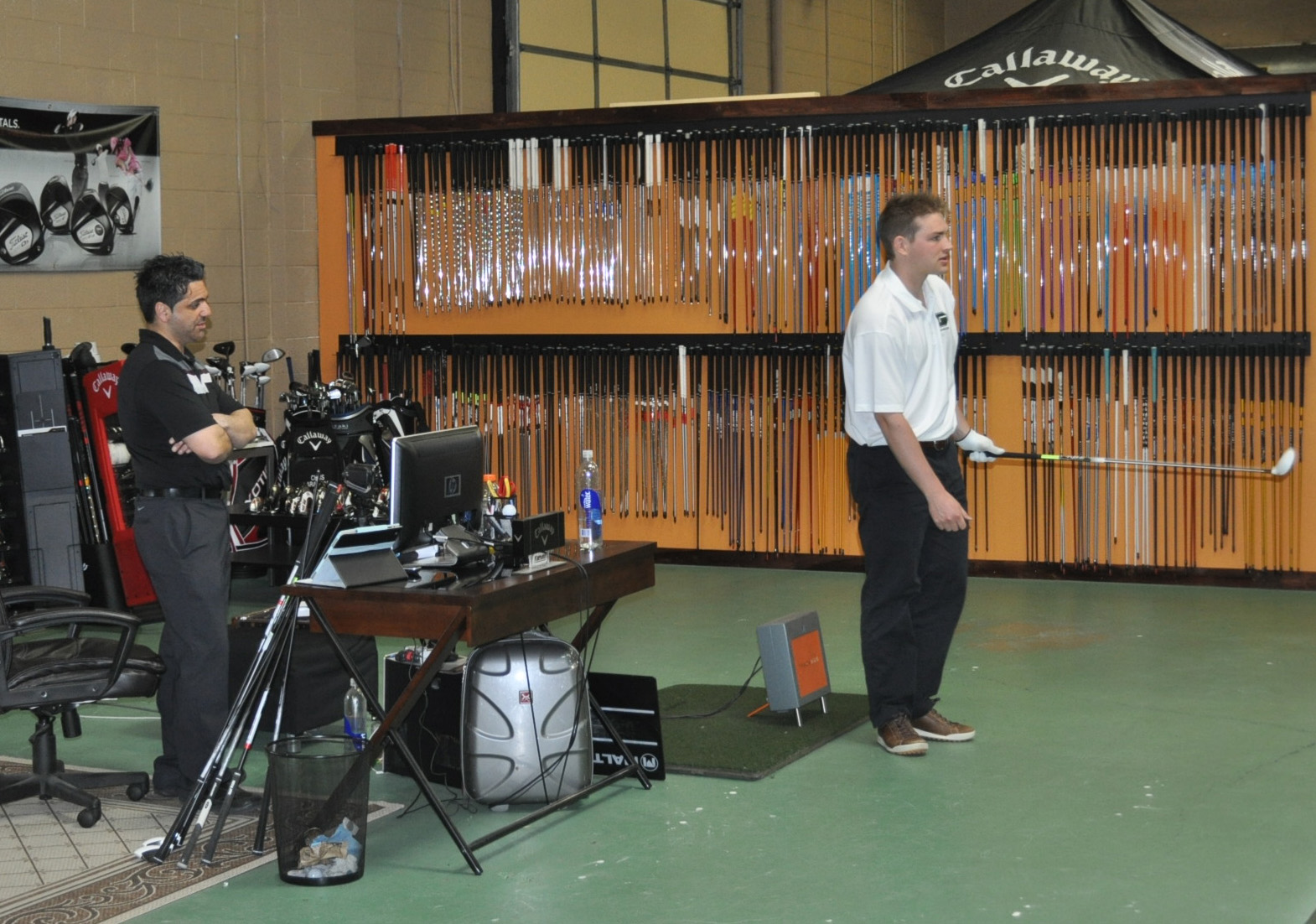
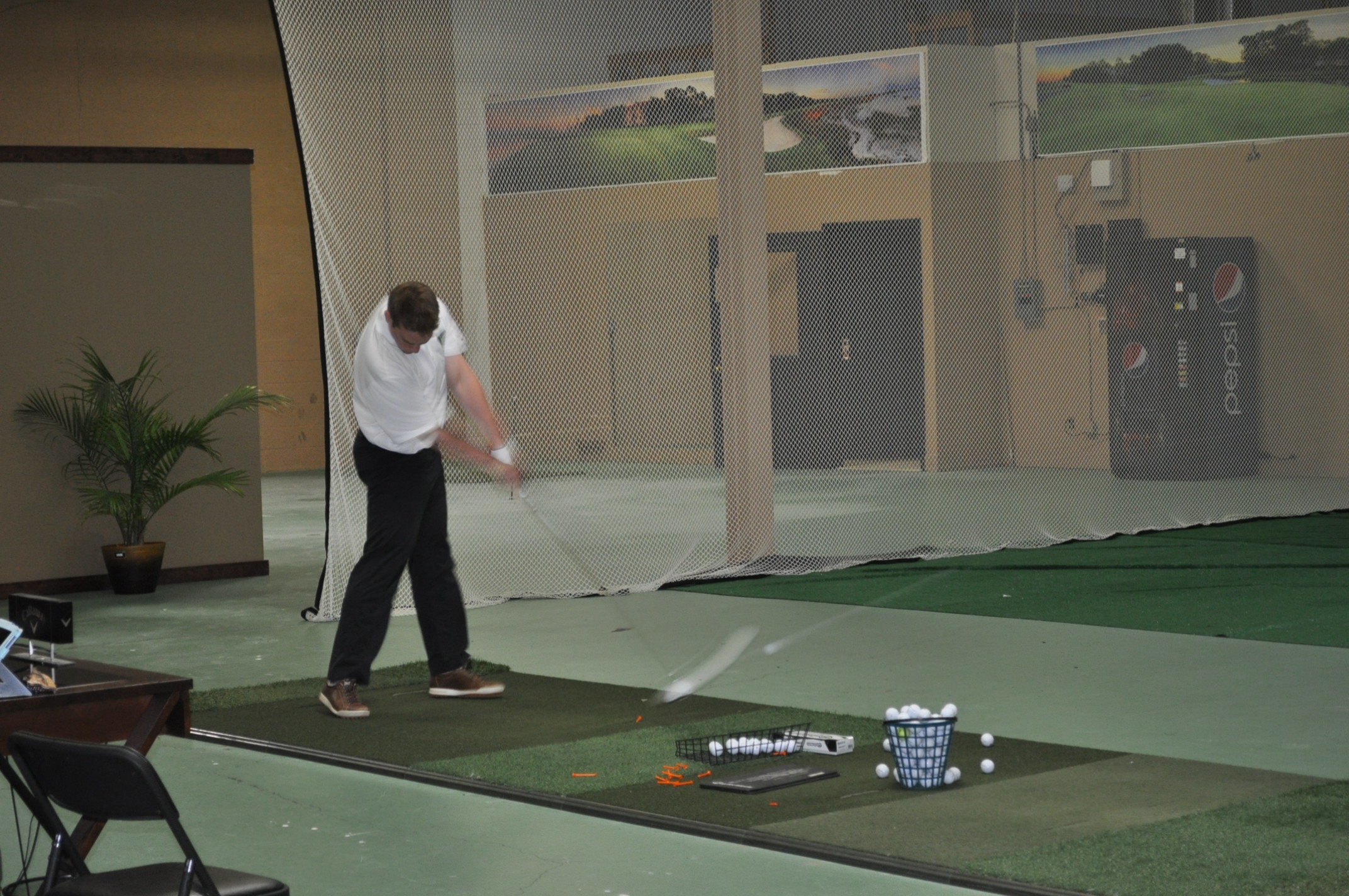
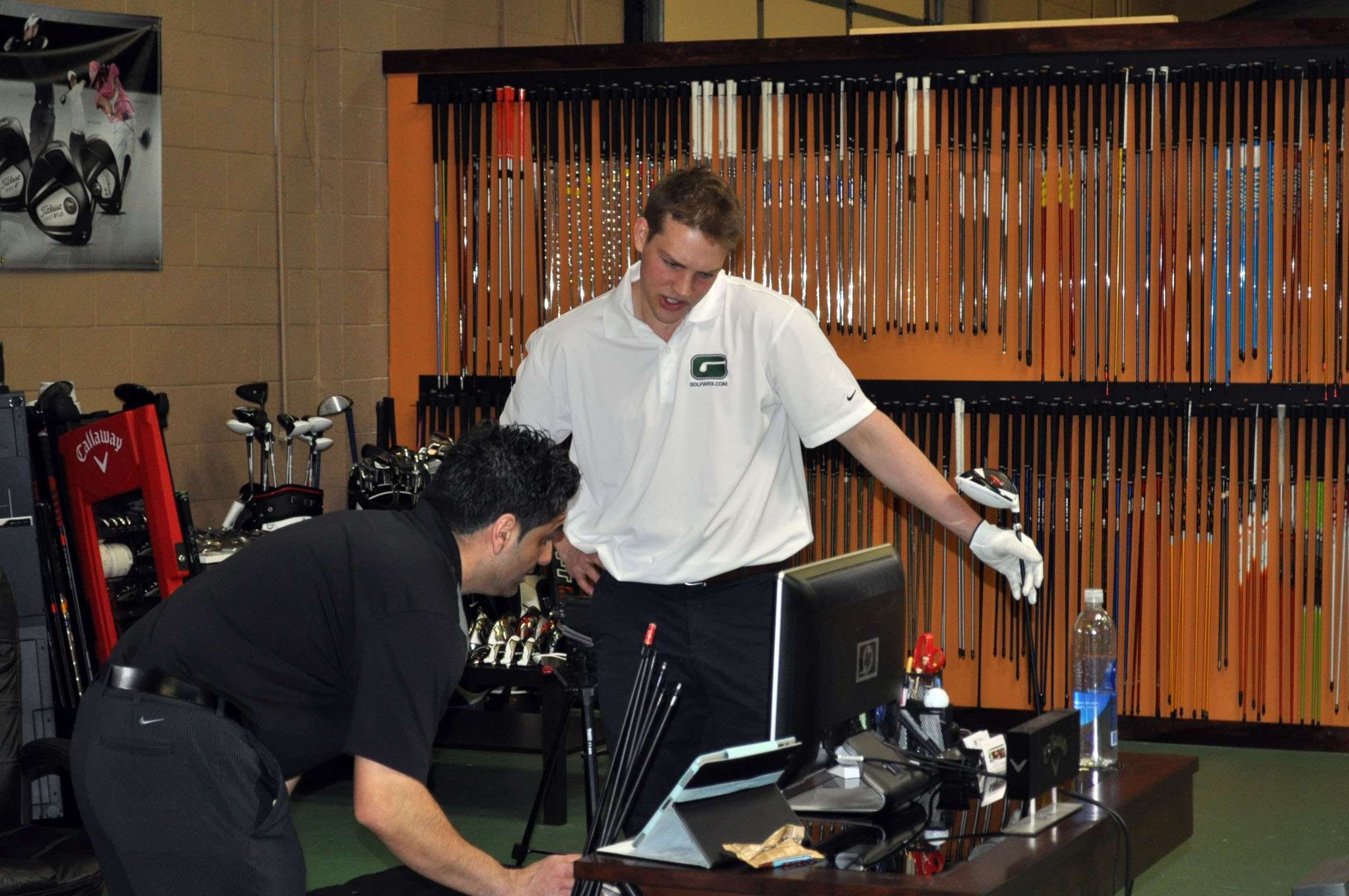
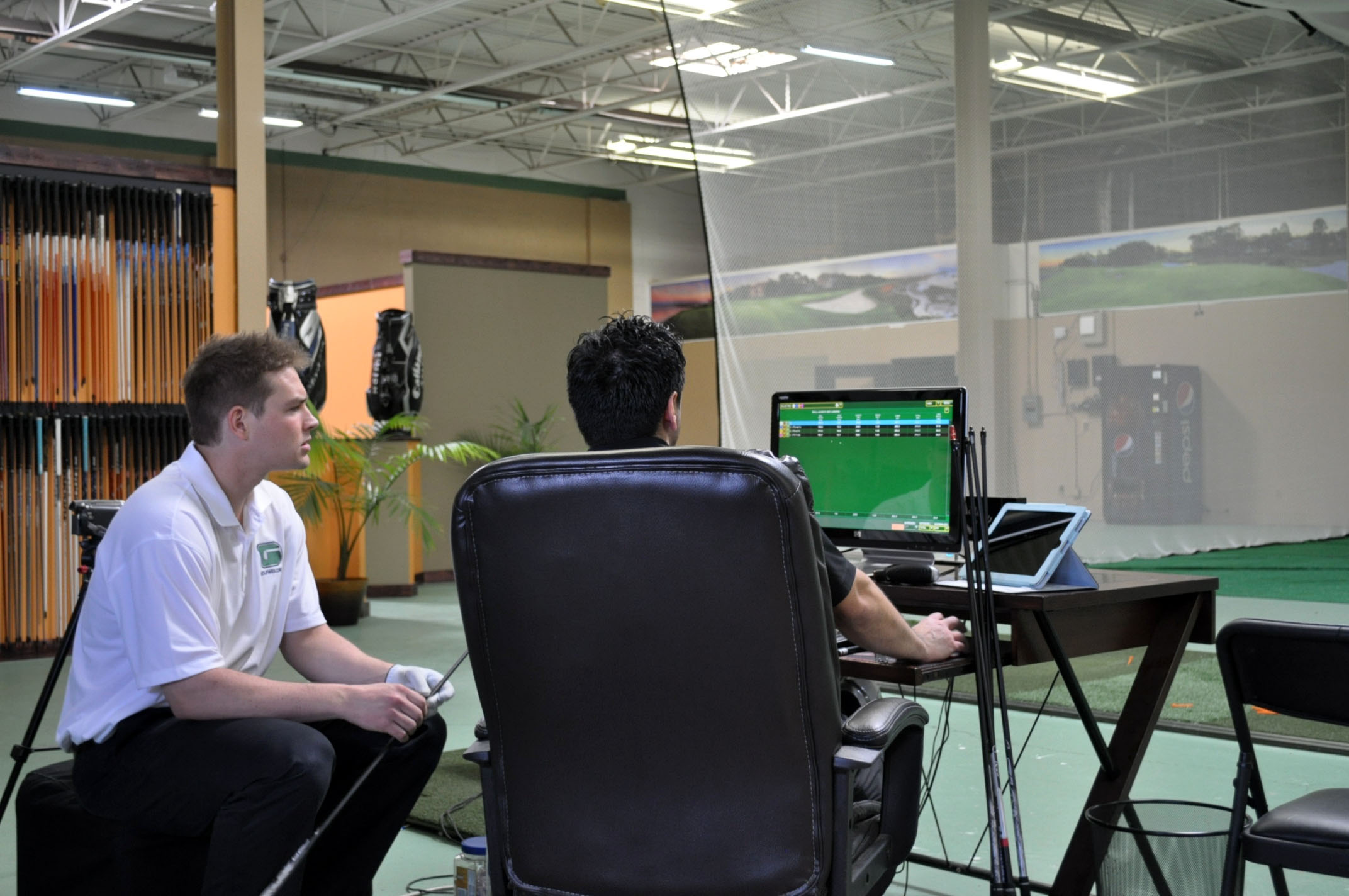
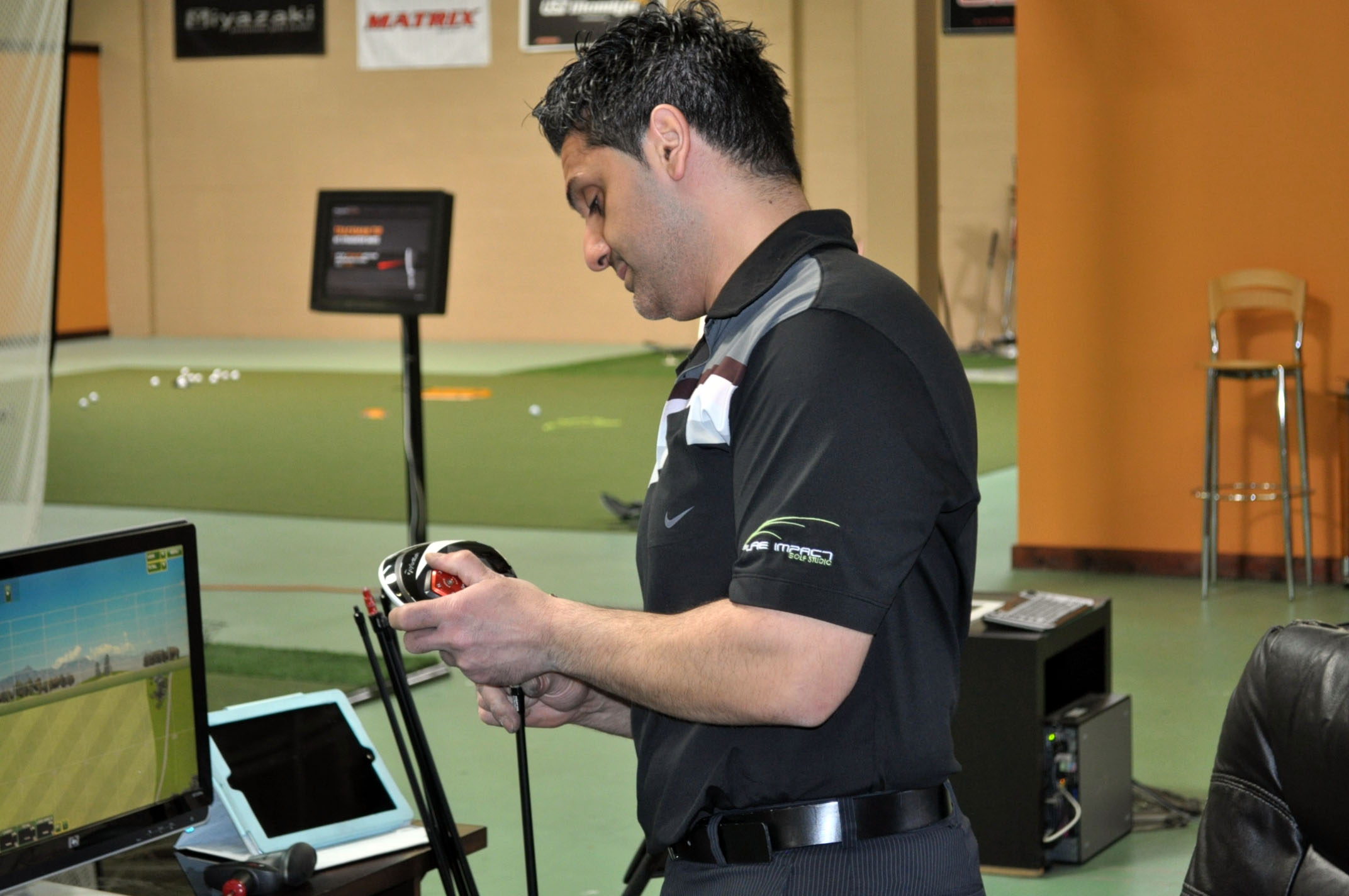
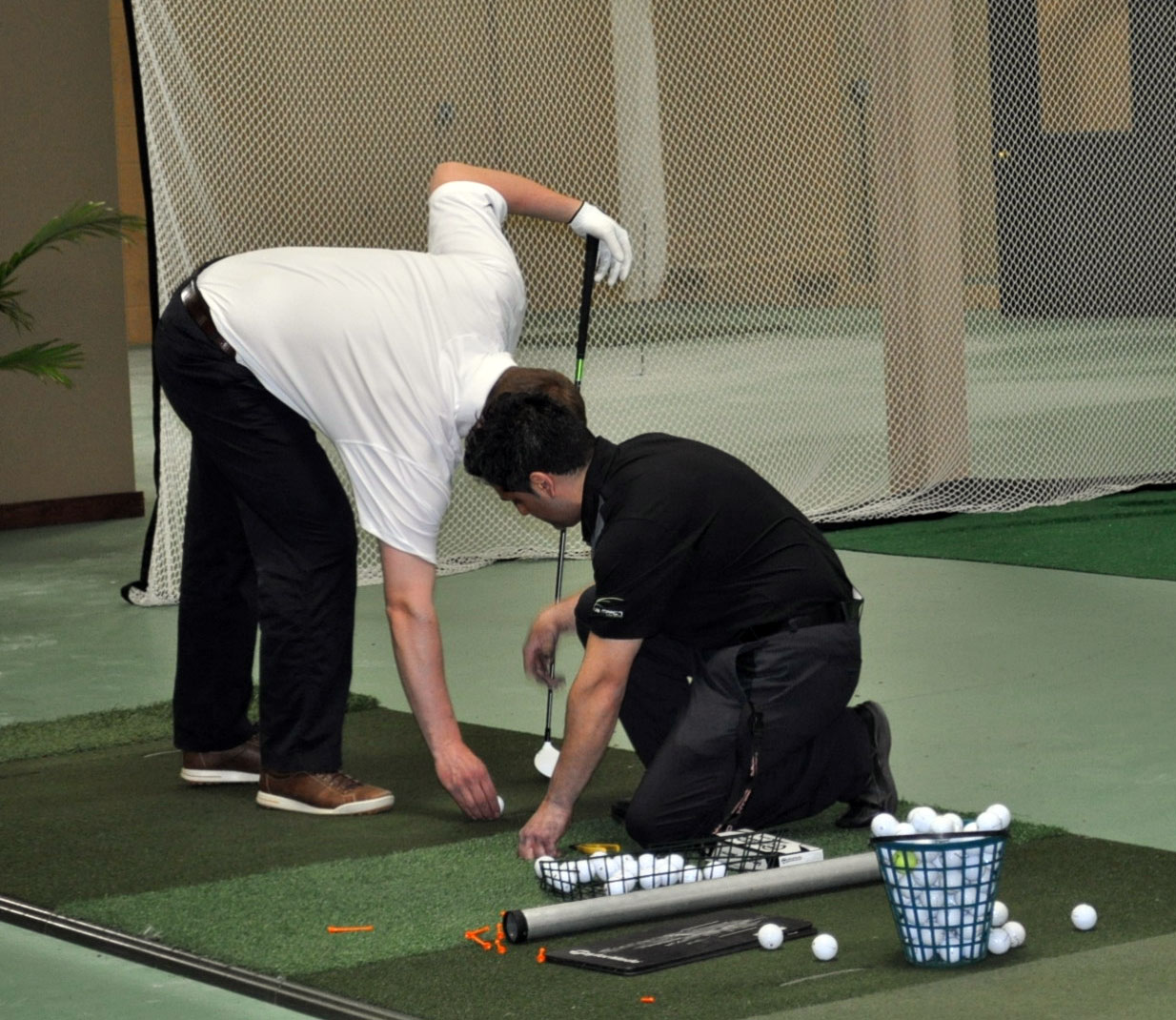
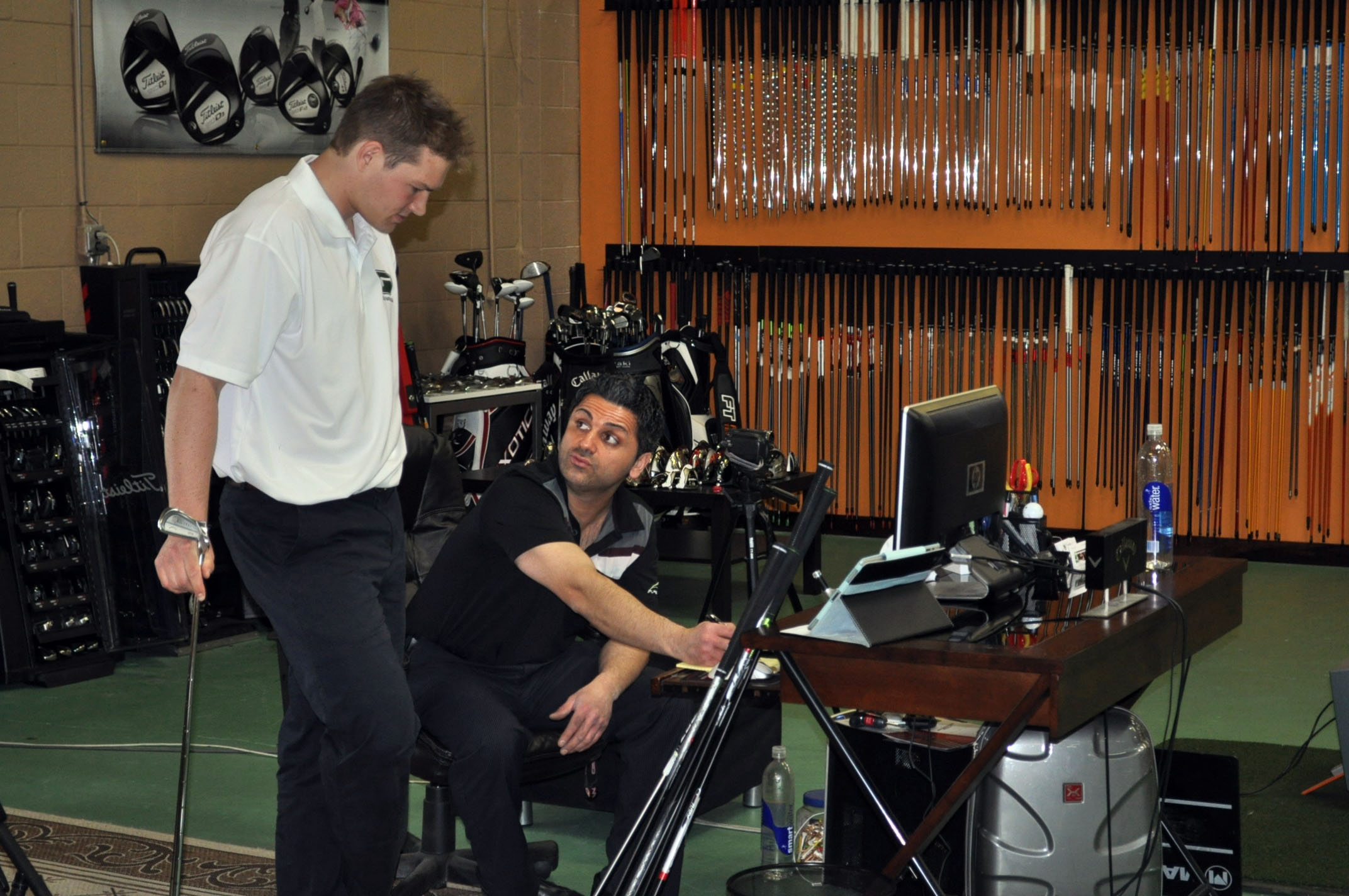
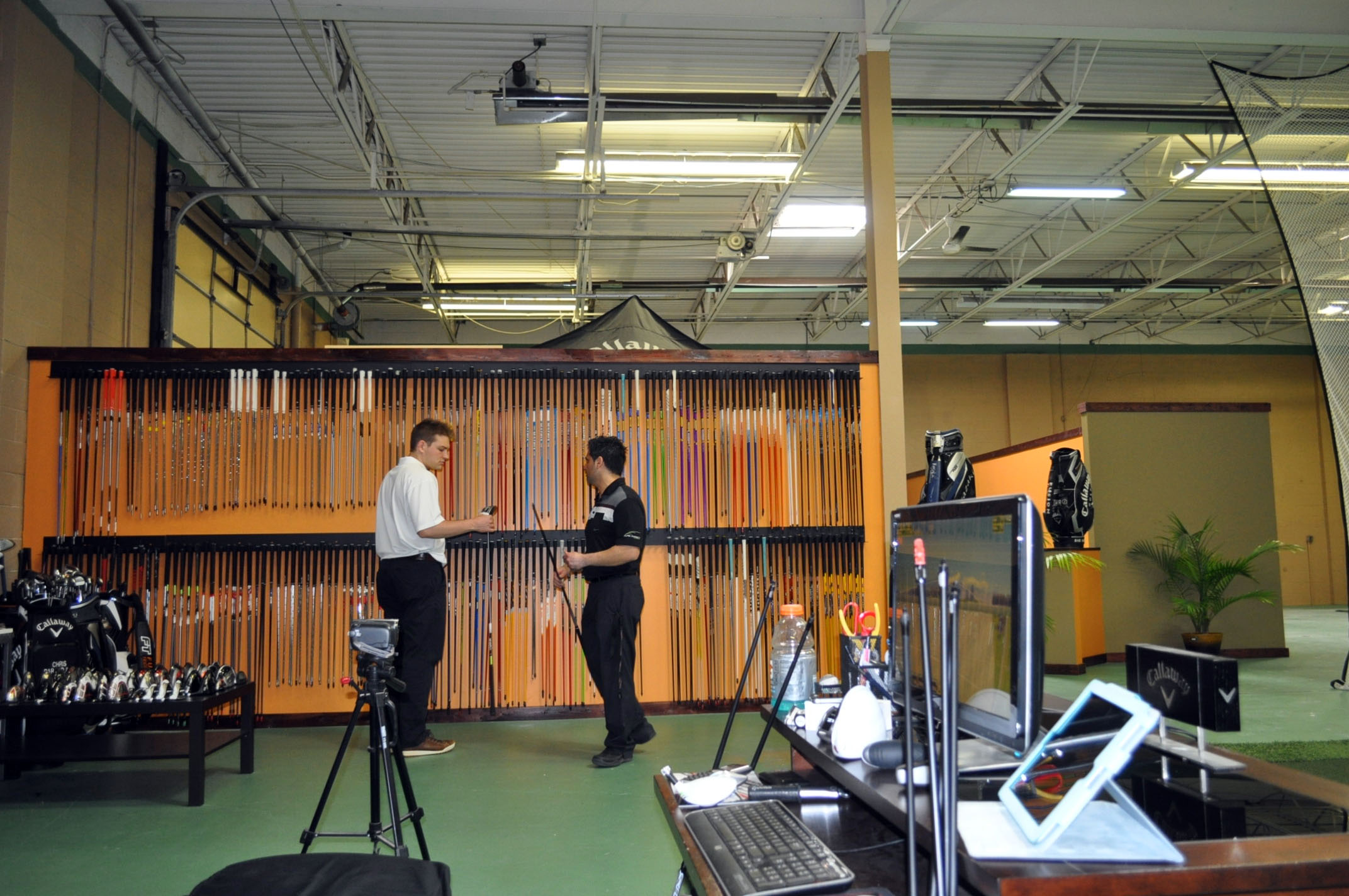
I had the opportunity to test UST’s line of Proforce VTS shafts in April at Pure Impact Golf Studio in Commerce Township, Mich. The owner of the facility, Chris Darakdjian, had fit me for a 3 wood two years ago when I was playing collegiate golf, so he was familiar with my swing. UST shipped him a few shafts that he believed I would most likely fit into.
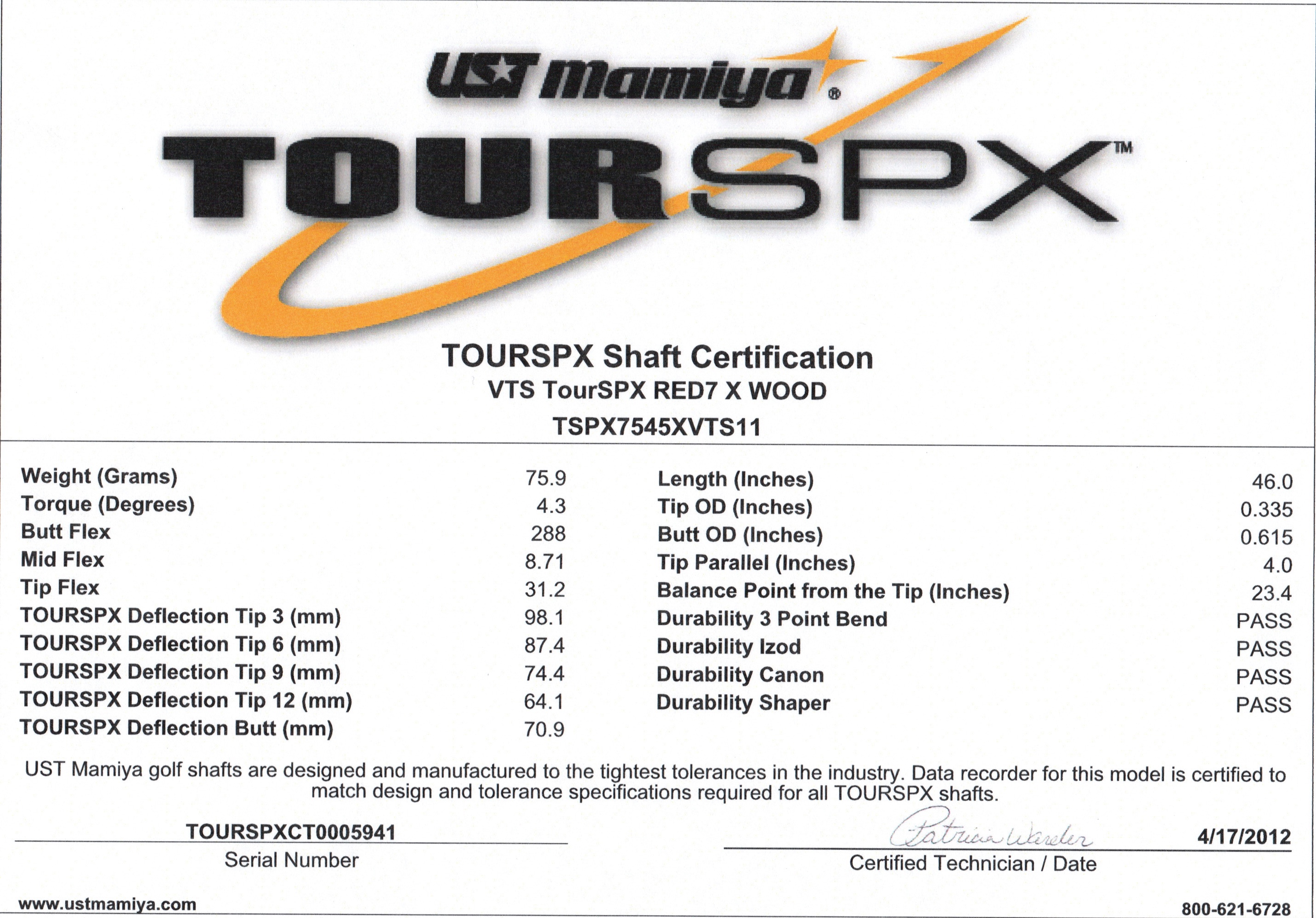
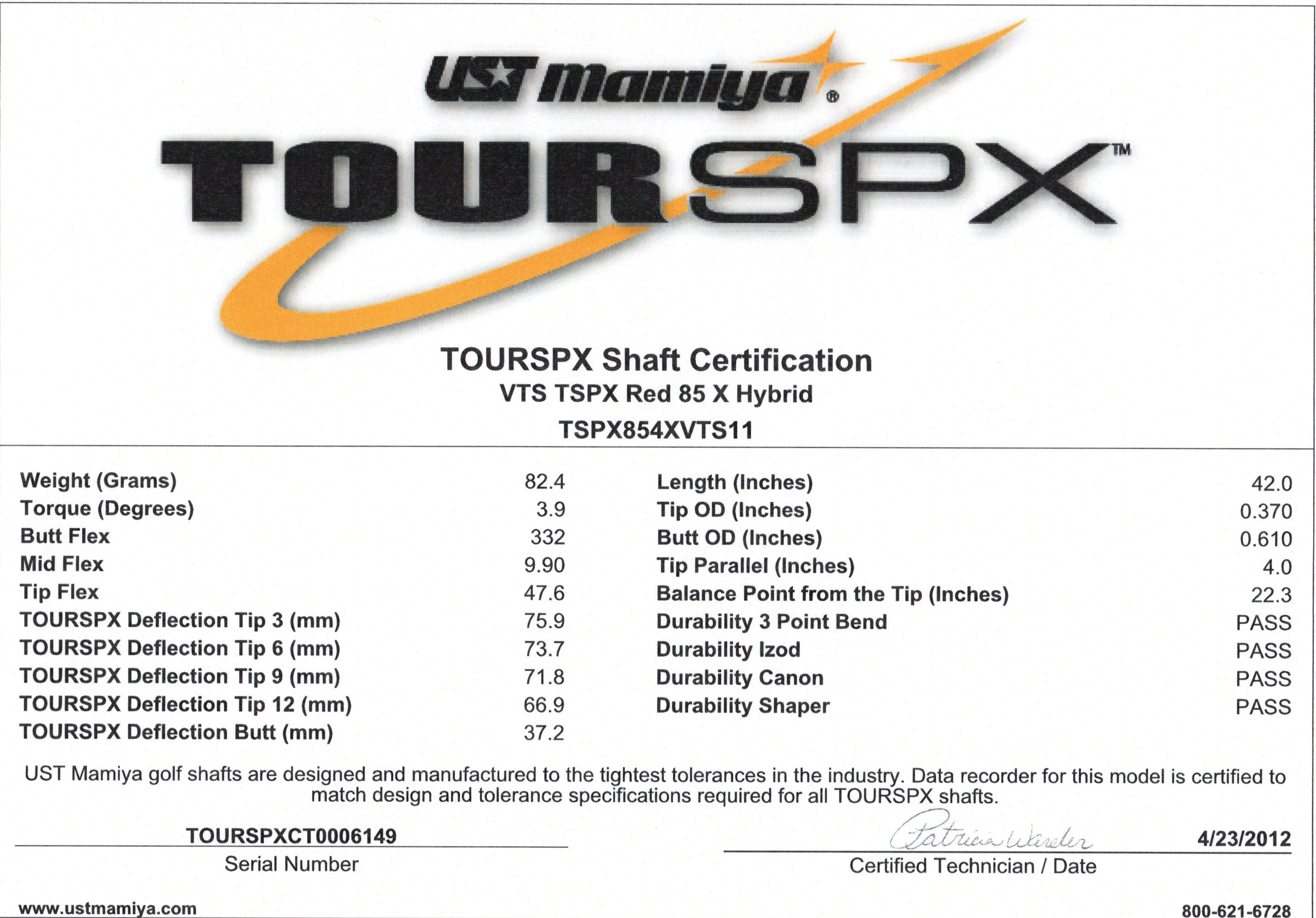
I’d recently received three woods (driver, 3 wood, hybrid) with stock X-flex shafts that I was happy with, but I thought I custom fitting session could boost their performance. As with all of Darakdjian’s fittings, we started with my driver, a 460cc adjustable head with 8 degrees of loft. I warmed up with my driver, and after seeing the results, Darakdjian installed a VTS TourSPX Red 7X, which was the eventual winner.

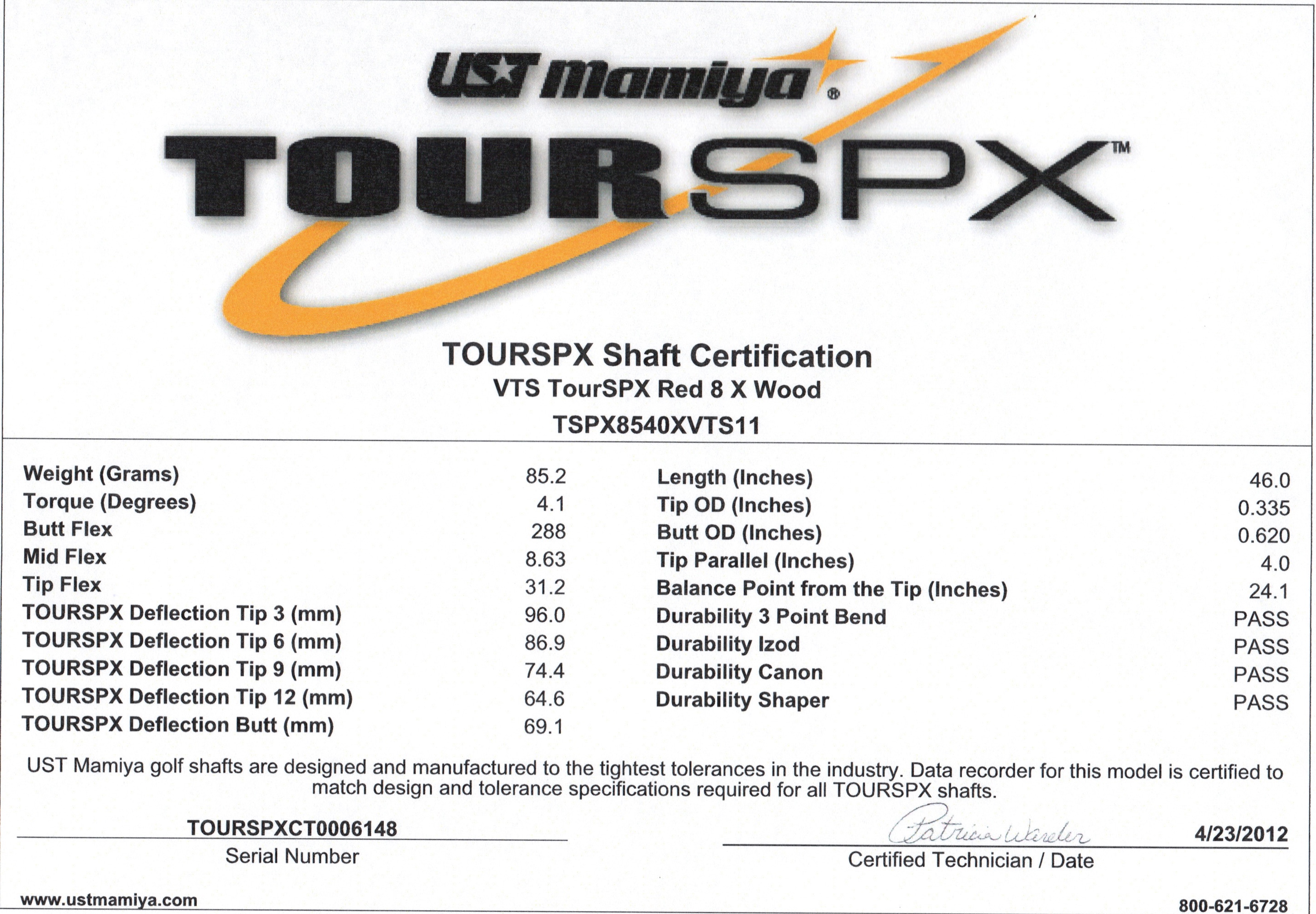
Pipes said that during his fitting sessions, he does not like to have golfers hit more than a few shots without trying a different product. He said he doesn’t want golfers to become used to a shaft because it can distort the fitting process. Darakdjian followed the same protocol. After a handful of shots, Darakdjian had me try a Proforce VTS TourSPX Silver 7X, and then a VTS TourSPX Black 7X. (We also tried different weights and flexes, but I had the best results with 7X in my driver, 8X in my three wood and 8X in my hybrid). UST’s shaft fitting system uses colors to distinguish differences in torque. Red has the most torque, silver has a medium amount of torque and black has the lowest torque.
With my driver, I’ve always had a tendency to leave my shots out to the right. It’s because of a swing fault that I’ve always battled. On my downswing, I often get the clubhead outside my hands at the halfway down position. From there, I have to work extremely hard to get club back on plane, or I hit a block to the right. In competition, I usually settled with aiming down the left rough line, and trying to hit a block into the fairway.
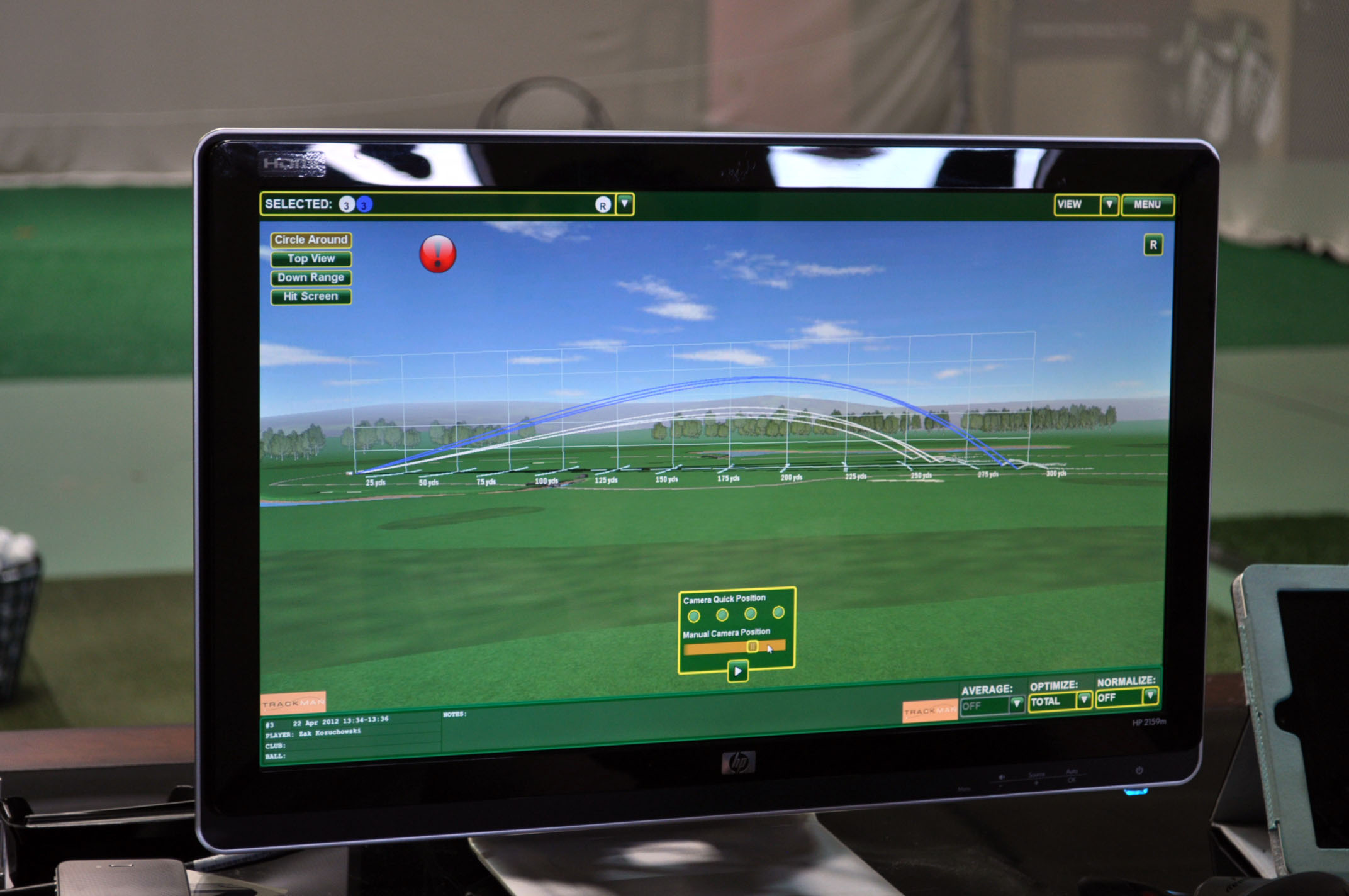
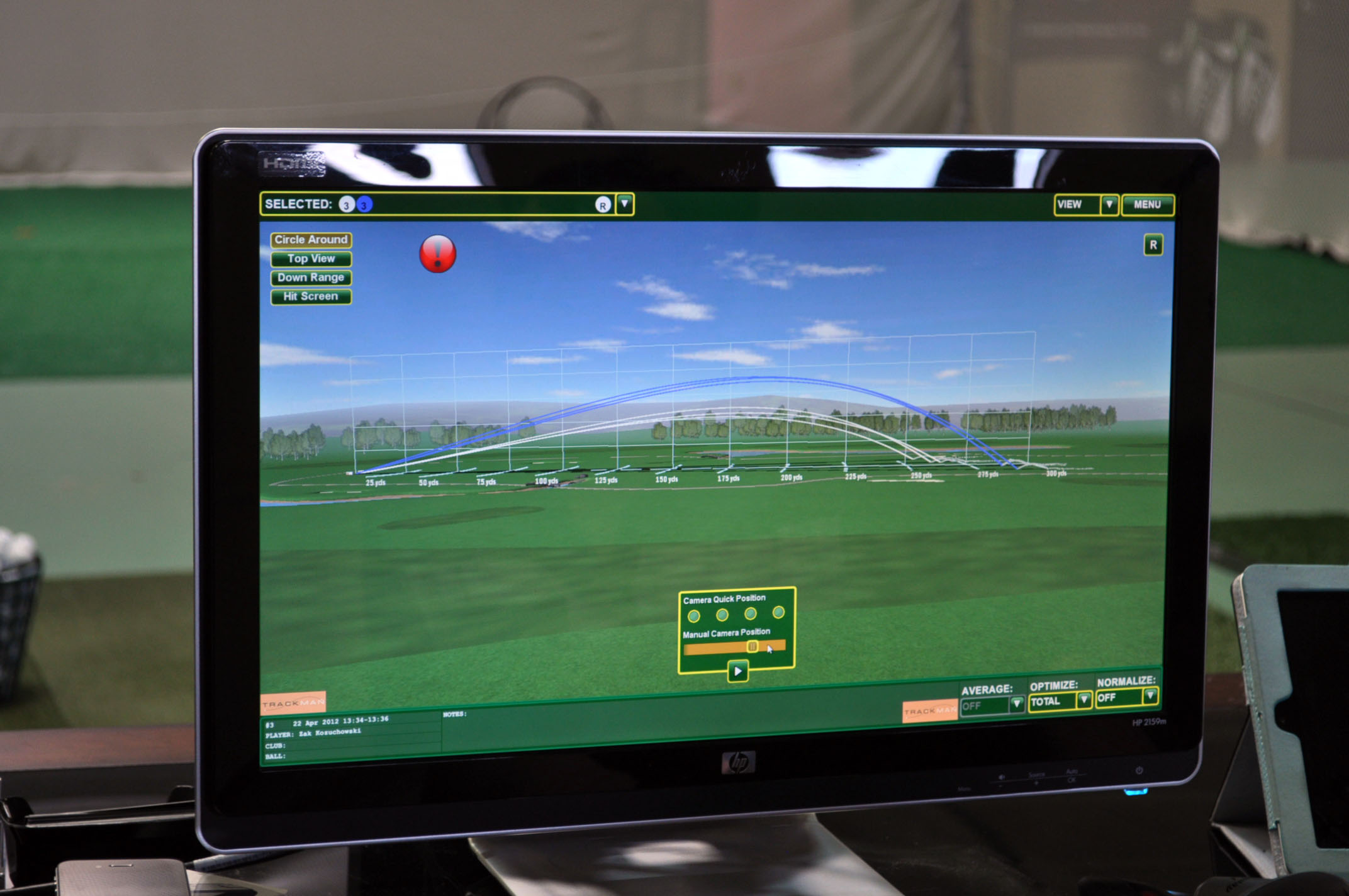
The shaft I was using in my driver prior to the test weighed 76 grams and had 2.8 degrees of torque. On Darakdjian’s Trackman, I was averaging 111.2 mph swing speed with an 11.8 yard miss to the right. With the VTX Red 7X shaft, which was 75.9 grams and had 4.2 degrees of torque, my average swing speed jumped to 113.2 mph with an average dispersion of 0.7 yards to the right. My ball speed also increased – from 167.4 mph to 169.8 mph, my spin rate dropped from 2777 rpm to 2448 rpm and my launch angle increased from 7.9 degrees to 12.2 degrees (Darakdjian increased the loft on my adjustable driver from 8 degrees to 9 degrees to help raise my launch angle). What do all these numbers mean? I went from hitting my driver an average of 295.1 yards to 313.8 yards. But was more important to me was how much straighter I was hitting my driver.
Darakdjian noticed the difference in my swing immediately. Although my launch angle and spin rate improved with the silver and black versions of the VTS TourSPX shafts, my dispersion was not as consistent. The shafts also felt less smooth in my downswing, and Darakdjian noticed that with the lower torque models, the effort I was expending in my swing appeared to increase. I saw similar results in my 3 wood and hybrid – better launch, better spin rates and more distance. And most importantly, a better feel that led to tighter dispersions.
On the course
To Pipes, fitting golfers with the right shaft is a process, not something that is set in stone after one fitting. Adjustable driver heads have made that process much easier on club fitters, giving them the ability to quickly switch out shafts and alter the head’s launch conditions through moveable weights. But there are still many variables a club fitter can’t control, particularly the way a golfer’s swing changes over time or in competition.
When I was competing in collegiate golf, I always wondered if the swing changes I was making with my instructor were affecting the performance of my custom fit clubs. But most times, it was not reasonable for me to check in with my club fitter every time I made a change in my swing. Often there isn’t enough time, and many golfers lack the resources necessary to keep upgrading their equipment. Luckily, Pipes said that despite what many golfer’s believe about their swings, a golfer’s tendencies and swing characteristics are often more consistent than they believe.
Over the last month, I’ve had a chance to play multiple rounds with my new VTS TourSPX Red shafts. At first, the majority of my misses went to the left. I was not used to playing with shafts with such a high amount of torque. But on my good shots, the improvement was undeniable – especially into the wind, where the higher launch angle and reduced spin rate produced drives that were more than 30 yards longer than I was accustomed to. And the more I’ve played with my VTS TourSPX Red shafts, the straighter I’ve hit it.
According to UST Mamiya, 50 percent of its tour players are using Proforce VTS Black shafts (the lowest torque model) – 33 percent of players are using VTS Silver shafts (mid-torque) and 17 percent are using VTS Red shafts (high torque). That puts me in the minority of high-speed players that are using high-torque shafts, along with Webb Simpson, who uses a UST Avixcore 69X Red shaft in his driver and VTS Red 8TX shafts in his three wood and five wood.

The TourSPX versions of UST Mamiya’s shafts are made with tighter tolerances than “stock” UST Mamiya shafts. They are available through select UST Mamiya TourSPX dealers, such as Pure Impact Golf Studio.
But I shouldn’t need to know that Webb Simpson or any other tour pro is using a similar shaft as me. The shafts Darakdjian fit for me worked on the launch monitor, and luckily they’ve proved their worth on the course as well. Experienced fitters like Darakdjian charge about $100 for a driver fitting, and $250 for a full-set fitting – substantially less than what it would cost a golfer to buy a new driver or a new set of clubs. Many times, fitters will put some of these charges toward the purchase of a new shaft. And Darakdijian currently offers discounts for GolfWRX members who visit his studio.
A new golf club can give a golfer an immediate sense of confidence, but if its shaft specifications are the same as the previous club a player has struggled with, the old results are sure to follow. Whether you swing like Webb Simpson or Homer Simpson, if you’re a serious player with a reasonable amount of swing speed and consistency, there’s a shaft available that will help you improve your game. And the right shaft will likely cost much less than a new club, and bring much more enjoyment to your game. I know it did for me.
Click here for more discussion in the “Clubmaking” forum.





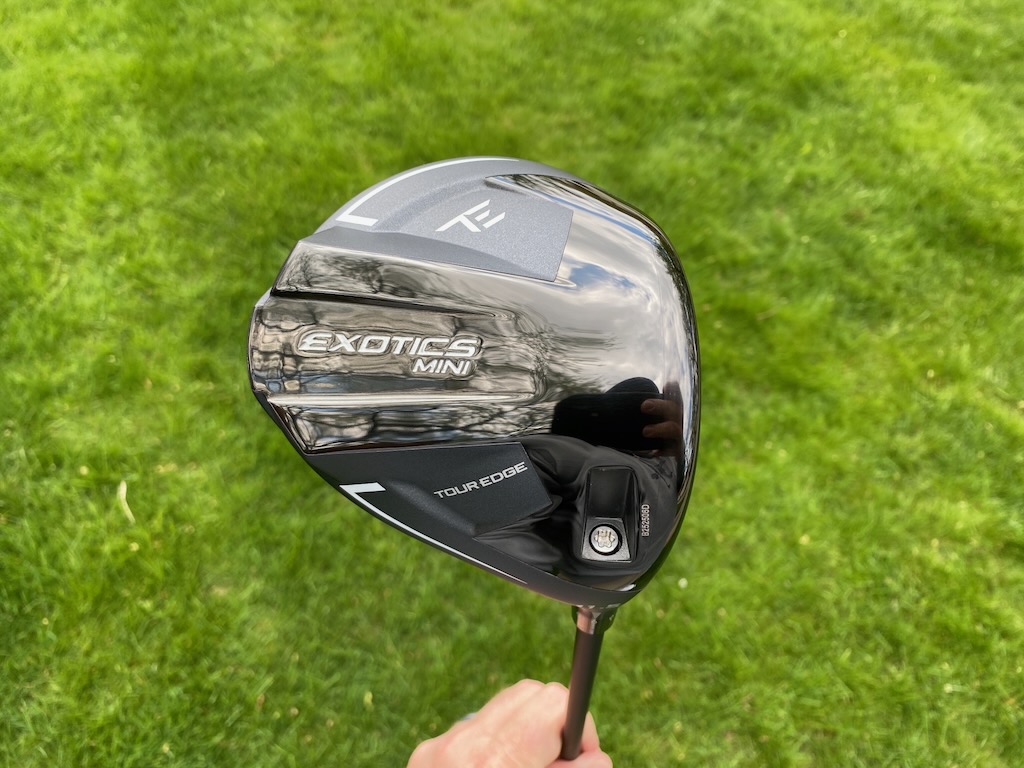
Tour Edge Golf has today introduced the all-new Exotics mini driver, engineered to deliver a powerful combination of speed, control, and versatility in the long game.
The Exotics Mini combines a titanium face with a stainless-steel body in design to balance ball speed with stability and control, creating a versatile option at the top end of the bag.

At the core of the design is Tour Edge’s proprietary Combo Brazing technology, a high-precision thermal bonding process that seamlessly fuses a titanium cup face to a stainless-steel body into a single, continuous structure. By eliminating energy loss found in traditional multi-piece constructions, Combo Brazing is designed to deliver faster face response, more efficient energy transfer, and a uniquely powerful yet controlled feel.

The multi-material construction also allows mass to be positioned lower and deeper in the head in a bid to increase stability, while the thin titanium face is engineered to maintain ball speed across a wider impact area.

“While the initial goal was to enhance control and versatility in the long game, Combo Brazing ultimately drove measurable gains in ball speed and distance within the mini driver category. In robot testing, we’ve documented higher ball speeds, higher launch, reduced spin, and increased carry and total distance compared to leading models.” – Vice President of R&D Matt Neeley

In addition to distance performance, the Exotics mini emphasizes forgiveness through a heavier stainless-steel body that shifts mass toward the perimeter. This configuration increases MOI relative to traditional all-titanium mini drivers, helping preserve ball speed and directional stability on off-center strikes. Paired with Pyramid Face Technology from the Exotics metalwood line, the design is intended to support consistent speed across the face.

To further enhance MOI, a lightweight carbon fiber crown frees additional mass that is strategically repositioned low and deep in the head in design to improve stability and promote optimal launch with controlled spin.

“We designed the Mini to be about five millimeters shallower than other mini drivers on the market. That change improves playability off the deck. From a clean fairway lie, it can function as a strong 3-wood alternative while still providing control off the tee.” – Tour Edge CEO David Glod
An adjustable hosel system allows for loft and lie tuning to dial in trajectory and shot shape, while a fixed 13-gram rear weight helps stabilize the head through impact to improve dispersion consistency. The Exotics Mini Driver is available in 11.5 and 13.5-degree lofts in right-handed models.

Pricing & Availability
The Exotics Mini Driver is available for pre-order beginning today for $399.99 USD at touredge.com, and will be available for purchase at retail outlets worldwide on May 22, 2026.

In our forums, our members have been pitting a Srixon ZXi combo against a TaylorMade P7CB/770 combo. WRXer ‘edutch22’ is on the hunt for a new set of irons and kicks off the thread saying:
“Looking at picking up a new set of irons and think I’ve narrowed it down to Srixon ZXi combo or Taylormade P7CB/770 combo. I am currently a 5 cap and allbeit I feel irons are my weakness. My miss is a little to the toe side. I am decently steep at 4-5 down. Always thought I am high spin but recently on trackman my 7 was spinning at 5800 roughly.
My question or looking for thoughts on which one would benefit me more from a forgiveness standpoint? Or is there another iron is should be looking at entirely? I only get to play about once or twice a week, if I am not playing a 2-3 day event. Thanks in advance.”
And our members have been sharing their thoughts and suggestions in response.
Here are a few posts from the thread, but make sure to check out the entire discussion and have your say at the link below.
- manima1: “You just can’t go wrong with Srixon ZXi7.”
- MattM97: “You have to hit them to know, the V-Sole on the Srixon can be make or break for many.”
- dmeeksDC: “P7CB is more forgiving for me than ZXi7 because my main miss is low middle and the P7CB still flies and spins great on that miss. These are both really nice irons but I like the P7CB more than the Zxi7 and the P770 (or P790) more than the Zxi5. The Srixons are larger so if that gives you confidence that is the way to go. I don’t feel like I get any benefit from the V-sole and the P7CBs live up to their high Maltby forgiveness rating so the TaylorMades have been great for me.”
Entire Thread: “Srixon ZXi combo or TaylorMade P7CB/770 combo? – GolfWRXers discuss”

At GolfWRX, we are a community of like-minded individuals who all experience and express our enjoyment of the game in many ways.
It’s that sense of community that drives day-to-day interactions in the forums on topics that range from best driver to what marker you use to mark your ball. It even allows us to share another thing we all love – buying and selling equipment.
Currently, in our GolfWRX buy/sell/trade (BST) forum, @pianoman0123 has a 2024 Wilson Staff CB/Blade combo up for grabs.

From the listing: “2024 Wilson Staff CB/Blade Combo. 4-8 irons are CB’s and the 9,PW are Blades. 5-PW have Project X 6.0 Shafts and the 4 Iron has a Steelfiber CW110 Stiff Shaft. Standard Length, Lie and Lofts. These are in very good condition the shafts just don’t work for me. Like new Lamkin Grips on the 5-PW and a stock Golf Pride on the 4 Iron. $525 OBO.”
To check out the full listing in our BST forum, head through the link. If you are curious about the rules to participate in the BST Forum, you can learn more here: GolfWRX BST Rules

RBC Heritage Tour Report: More minis, course-specific setups, Spider & GTS launches

Justin Rose WITB 2026 (April): Full WITB breakdown with new McLaren irons

Best fairway woods of 2026: The most versatile fairway woods + the most forgiving fairway woods

What’s the story behind Webb Simpson’s custom-stamped irons?

Cadillac Championship Tour Report: Spieth’s sizable changes, McLaren Golf launches, and more

The 24 players who can win the Masters

Rory McIlroy’s winning WITB: 2026 Masters

Kristoffer Reitan’s winning WITB: 2026 Truist Championship

J.J. Spaun’s winning WITB: 2026 Valero Texas Open

Cameron Young’s winning WITB: 2026 Cadillac Championship


Alex Fitzpatrick WITB 2026 (May)
Driver: Ping G440 LST (9 degrees) Shaft: Fujikura Ventus Black 6 X 3-wood: TaylorMade Qi4D (15 degrees) Shaft: Fujikura Ventus...

Kristoffer Reitan’s winning WITB: 2026 Truist Championship
Driver: Ping G440 Max (9 degrees) Shaft: Mitsubishi Tensei 1K White 60 TX 3-wood: Ping G440 Max (15 degrees) Shaft:...


WITB Time Machine: Rory McIlroy’s winning WITB, 2021 Truist Championship
Rory McIlroy’s victory at the 2021 Wells Fargo Championship 2021 (now the Truist Championship) marked a significant return to form,...


Collin Morikawa WITB 2026 (May)
Driver: TaylorMade Qi4D LS (8 degrees) Shaft: Mitsubishi Diamana D+ Limited 60 TX 3-wood: TaylorMade SIM Tour (14 degrees) Shaft:...
-
 Equipment2 weeks ago
Justin Rose WITB 2026 (April): Full WITB breakdown with new McLaren irons
-
 Equipment1 week ago
What’s the story behind Webb Simpson’s custom-stamped irons?
-
 Equipment2 weeks ago
Cadillac Championship Tour Report: Spieth’s sizable changes, McLaren Golf launches, and more
-
Whats in the Bag3 days ago
Kristoffer Reitan’s winning WITB: 2026 Truist Championship
-
 Whats in the Bag1 week ago
Cameron Young’s winning WITB: 2026 Cadillac Championship
-

 Whats in the Bag3 weeks ago
Nelly Korda WITB 2026 (April)
-

 Equipment2 weeks ago
Justin Rose on the switch to McLaren Golf, learnings from previous equipment moves
-

 Tour Photo Galleries2 weeks ago
Photos from the 2026 Cadillac Championship


Scott
Nov 13, 2013 at 4:24 pm
So your average drive went to 313 yards? That’s more than a tour pro. All this with only a swing speed of 113? I don’t think so.
T Shirt Factory ca
Jul 5, 2013 at 12:39 am
Hi there! I just wish to offer you a big thumbs up for the excellent info you’ve got here on this post. I’ll be returning to your site for more soon.
Adam
Jun 16, 2012 at 8:05 am
Awesome more people should get fit if your going to spend 400 on the driver spend the extra money and get the right shaft loft etc.
Andrew
Jun 5, 2012 at 4:47 pm
I just got some new gear from UST and think its amazing. I’m working with a set of prototype iron shafts and a prototype driver shaft that have added some much to my game. Think UST has really found something special to help players improve their game.
Wedger
Jun 5, 2012 at 4:03 pm
You did a great deal of homework here. I have a harrison shotmaker and I love this set for me. I hit it straughter and longer which has helped my game when I thought there was no help. I enjoy more now then any other time.
David30
Jun 4, 2012 at 10:55 pm
Bravo! Couldn’t agree with with you more, Zak. I had been playing an R5 with the stock hyperlite shaft. While functional, the shaft was a total mismatch for my swing. Went to see Damon Lucas, a DC area pro, and purchased an R11 with the Matrix Ozik HD7 shaft, really low torque. Improved my driving distance by 30 yards. Can honestly say my game went from functional to opportunistic.
D'Arcy
Jun 4, 2012 at 10:48 pm
Whoever is taking the action shots in the studio should use rear curtain sync on the camera. This will allow the flash to fire at the end of the exposure, and you get the trail of the ball and club looking like he’s swinging properly, not backwards in time like it looks here.
Ian
Jun 4, 2012 at 10:06 pm
Chris has done a lot of work on my clubs and it has always been first rate. We are lucky to have such a high quality shop in of all places…. Comerce Michigan!!