
Equipment
Titleist Vokey SM6 wedges: What you need to know

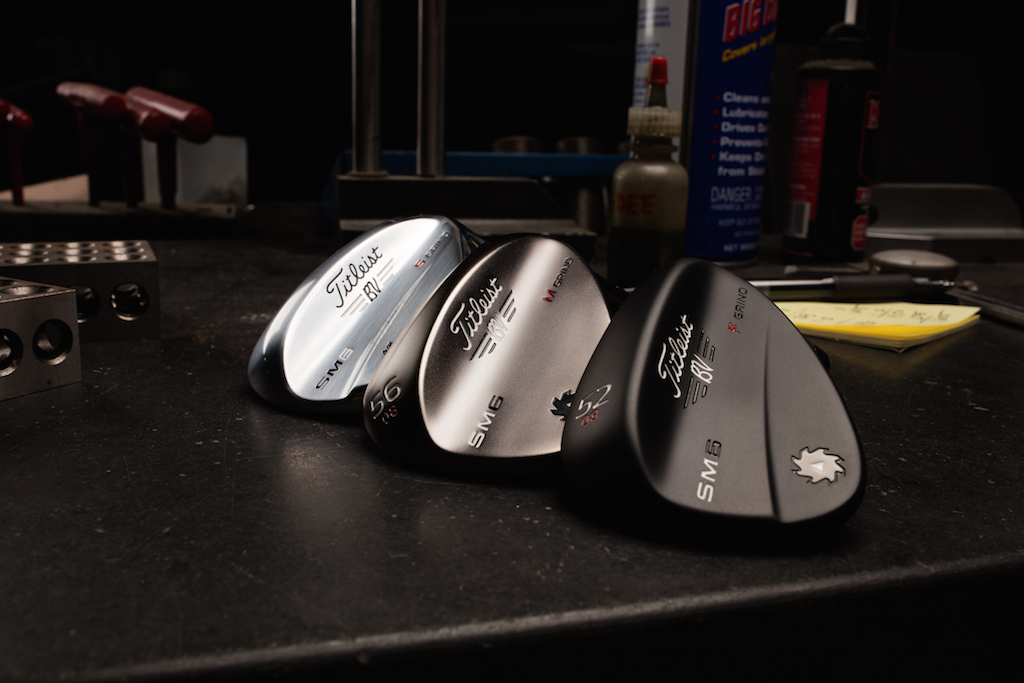
- Vokey SM6 wedges use what’s called a Progressive Center of Gravity, a weighting strategy that positions each wedge’s center of gravity (CG) in a distinct location, depending on loft. It was achieved by altering the shaping of the back of the new wedges.
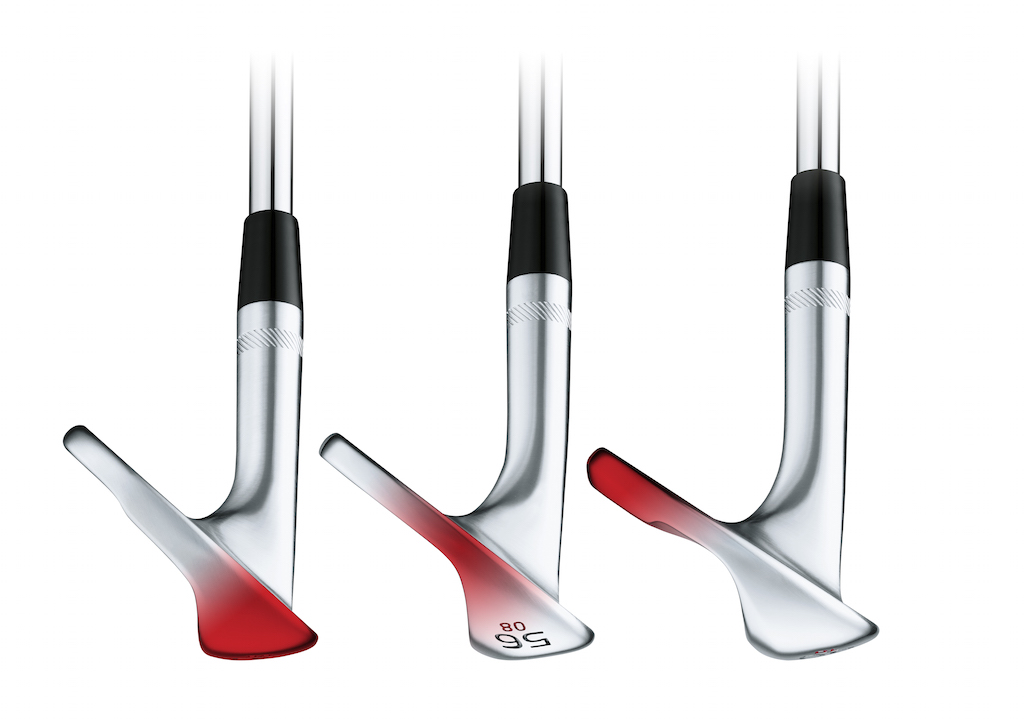
- In the low-lofted wedges (46, 50, 52), Vokey SM6 wedges have a CG that’s lower than SM5 models. It’s aligned with the desired impact area, which increases ball speed by an average of 1.5 mph for 3-5 yards more distance, according to Titleist.
- The mid-lofted SM6 wedges (54, 56) use a mid-CG design that looks similar to Vokey’s SM5 wedges.
- The high-lofted SM6 wedges (58, 60, 62 degrees) have a high-CG design. Since golfers tend to contact their high-lofted wedge shots higher on the face, the new models will create more consistent launch conditions, and a lower-launching, high-spinning trajectory that can lead to increased stopping power.
- Along with better feel, the progressive CG design will improve wedge distance gapping, according to Titleist.
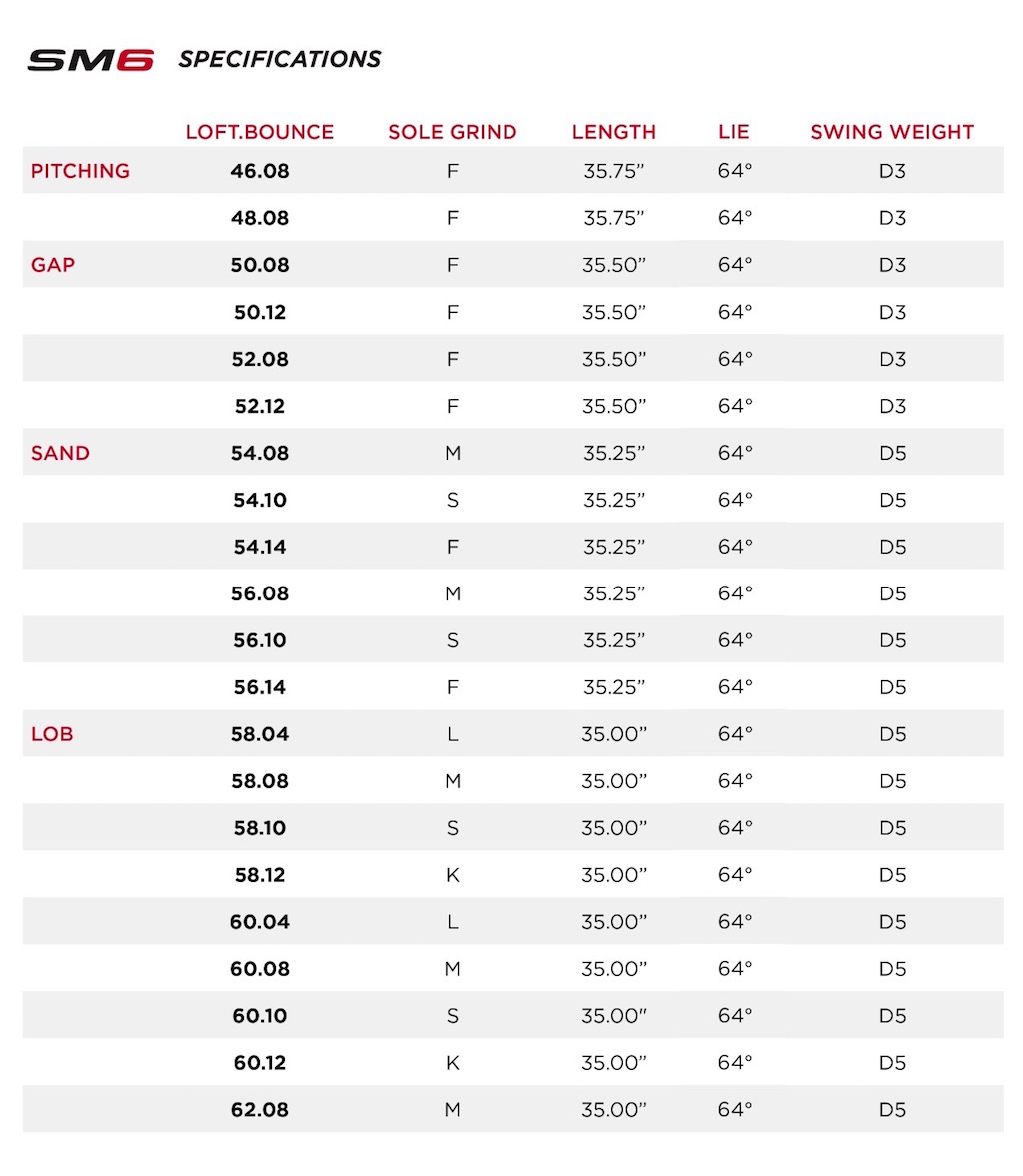
- Vokey SM6 wedges are available in five different sole grinds (L, M, S, F, K), which have been slightly tweaked from SM5 models.
Grinds

- The M grind (available in 54-08, 56-08, 58-08, 60-08, 62-08) has less bounce than SM5 models, and is best for golfers who like to manipulate the face opened or closed to play different wedge shots. In the 62-degree loft, the M Grind replaces the T Grind.
- The S Grind (available in 54-10, 56-10, 58-10 and 60-10) has increased bounce compared to SM5 models in the 58- and 60-degree models, and is best for golfers who play most of their shots with the clubface in a square position.
- K Grind wedges (available in 58-12 and 60-12) have 1 degree more bounce than SM5 models, which will help golfers resist digging when used in the square position.
- The L Grind, most notably used by Jordan Spieth and Jimmy Walker, has increased camber on its sole to help golfers improve versatility. It’s available in 58-04 and 60-04.
Grooves
- The SM6 wedges use Titleist’s new TX4 grooves, and its clubfaces have a machine-milled, parallel face texture. SM5 grooves had a radial face texture, which cut into the edges of the groove. According to Titleist, the new grooves are more consistent, and create sharper grooves that can increase spin as much as 200 rpm. As in the SM5 line, each groove is 100 percent inspected at the company’ manufacturing facility.
Pricing, Availability, Finishes, and Custom Options
- The SM6 wedges ($149 MAP) are available in stores March 11 in three finishes: Tour Chrome (plated), Steel Gray (plated) and Jet Black. The Jet Black finish is applied through a QPQ (quench, polish, quench) procedure, and will wear to a raw finish over time.
- The wedges can be custom ordered in a wide range of custom options (shafts, grips, shaft bands, ferrules, stampings and paintfill) through Titleist’s WedgeWorks program.
Specs


Equipment
Putters that never made it: Check out some of the best tour builds that didn’t make the cut

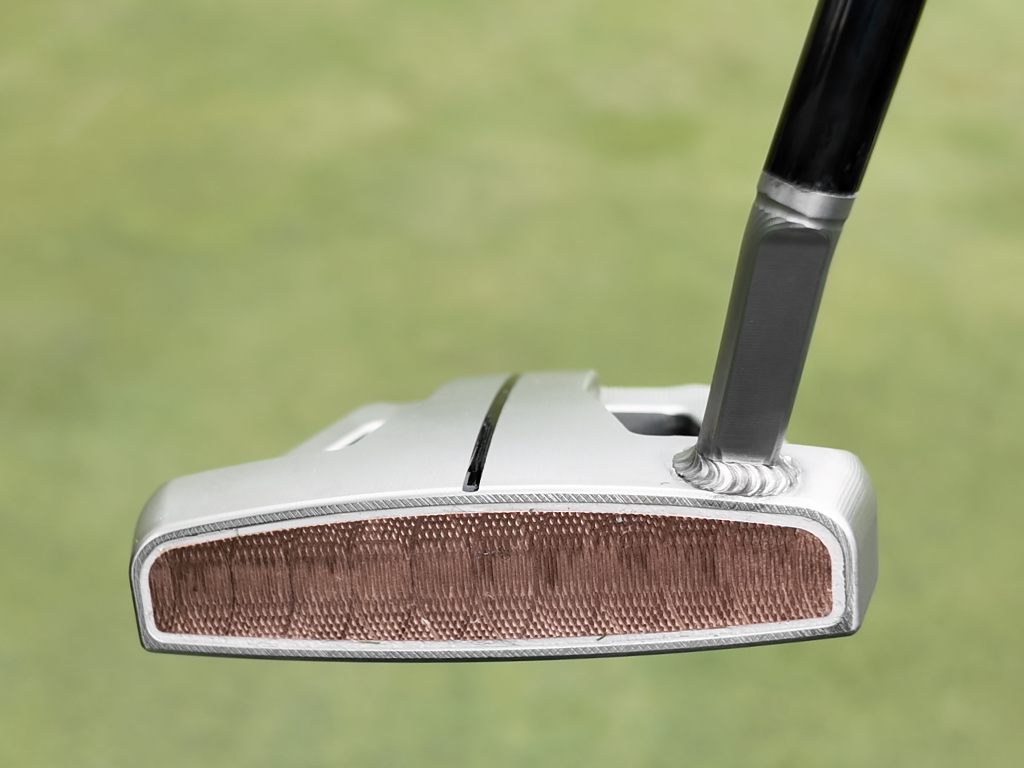
Arguably, the best perk of being a professional golfer on the PGA Tour is the ability to request or even just be handed pretty much any club you could think of. It happens more often than you think, usually with putters around the practice green from one event to the next. Come Wednesday, the Tour bags lining the edge of the putting surface become resting places for fallen flatsticks that never made the cut.
So let’s take a look at some of the best we’ve seen out on Tour this year that never made it to the competition. (You may notice none of Hideki Matsuyama’s custom Scotty Cameron putters made this list. There are too many.)
Let’s start with this custom Damascus Milled Odyssey Rossie made for Ryo Hisatsune. Featuring a single line and the short-slant hossel, we’ve seen plenty of Number 7 and jailbird heads featuring the Damascus Milled insert, but this is the first and only one we’ve spotted in a Rossie. Hisatsune primarily putts with an Odyssey Black Series iX #9, but we have seen him recently with a TaylorMade TP Collection SOTO, so there could be potential that the Damascus Milled Rossie could end up in the bag.

Everyone wants to be Cameron Young right now. We’ve had Justin Thomas and Tom Hoge both game the Scotty Cameron 9.5R prototype. Well, for the PGA Championship, Brooks Koepka nearly joined that list after requesting the same style of putter, with the full-length alignment line. But the Scotty Cameron reps took the request a step further and made one specially for Koepka with a Teryllium insert, similar to one in his previous Newport 2 gamers. The reason why this one didn’t go into play, though? Because it was too heavy.

Harry Hall was the third-best putter on Tour last year, so when Bettinardi made him a custom proto, you know it was going to be good. The custom BB28 blade features VDF face milling, a custom-welded single-bend shaft, and the owner’s initials – HH – on the sole of the putter. Hall, who usually games an Odyssey O-Works #7 W, has dabbled with a TaylorMade Spider Tour X already this year. Maybe there’s a chance this Bettinardi might make his bag.

Honestly, this one doesn’t need a description. It’s Kieth Mitchell’s custom Scotty Cameron Napa. One Scotty Cameron face stamp, two Scotty Dogs, two Scotty Cameron 7-Point Crowns and one Circle T. That is all. Oh, except for the Cashmere Cameron headcover.

Finally, and just for fun, how about we pour one out for this TaylorMade Spider Tour X made for Scottie Scheffler in its new torched finish. It’s unlikely we’ll see a putter change anytime soon from the best golfer in the world. In fact, he hit just two putts with it on the Harbour Town practice before going back to his trusty gamer.


Driver: Titleist GT3 (9 degrees) Buy here.
Shaft: Aldila Rogue Silver 130 M.S.I. 70 TX


3-wood: TaylorMade Qi35 (15 degrees)
Shaft: Fujikura Ventus Blue 7 X

7-wood: TaylorMade Qi35 (21 degrees)
Shaft: Fujikura Ventus Blue 8 X

Irons: Grindworks PR-202 (4), Grindworks PR-101A (5-PW)
Shafts: True Temper Dynamic Gold Tour Issue X100


Wedges: Cleveland RTX6 Tour Rack (52-10 Mid), Titleist Vokey Design SM10 (56-08M), SM11 (60-04T)
Shafts: True Temper Dynamic Gold Tour Issue S400


Putter: Scotty Cameron Tour Rat 1.5 Tour Prototype


Ball: Titleist Pro V1x
Grips: Golf Pride MCC


In our forums, our members have been discussing their favorite major winning irons used by Tiger Woods. WRXer ‘golferdude54’ kicks off the thread saying:
“Mizuno MP 14/29. Titleist 681T. Nike Forged Blades. TaylorMade P7TW.
Among these irons that helped Tiger win 15 majors, which is your favorite in terms of looks?”
And our members have been naming their favorites and why in response.
Here are a couple of posts from the thread, but make sure to check out the entire discussion and have your say at the link below.
- SwingBlade: “I prefer the early blades he played and the more recent TM TW’s especially because after Tiger had his major behavioral setbacks, part of Nikes support payback was making Tiger play a Nike putter and cease using his beloved uniquely customized Scotty putter.”
- ProjectX: “This (Nike Forged Blades) and there’s not even a close second.”
Entire Thread: “Which of Tiger’s major winning irons are your favorite? – GolfWRXers discuss”

Justin Rose WITB 2026 (April): Full WITB breakdown with new McLaren irons

RBC Heritage Tour Report: More minis, course-specific setups, Spider & GTS launches

What’s the story behind Webb Simpson’s custom-stamped irons?

Cadillac Championship Tour Report: Spieth’s sizable changes, McLaren Golf launches, and more

Kristoffer Reitan’s winning WITB: 2026 Truist Championship

Cameron Young’s winning WITB: 2026 Cadillac Championship

Aaron Rai’s winning WITB: 2026 PGA Championship

Nelly Korda WITB 2026 (April)

Justin Rose on the switch to McLaren Golf, learnings from previous equipment moves

Photos from the 2026 PGA Championship


Patrick Reed WITB 2026 (May)
Driver: Titleist GT3 (9 degrees) Buy here. Shaft: Aldila Rogue Silver 130 M.S.I. 70 TX 3-wood: TaylorMade Qi35 (15 degrees)...

Aaron Rai’s winning WITB: 2026 PGA Championship
Driver: TaylorMade M6 (9 degrees) Shaft: Aldilda Synergy Blue 70 TX 3-wood: TaylorMade Qi10 (15 degrees) Shaft: Fujikura Ventus Blue...


Michael Block WITB 2026 (May)
Driver: TaylorMade Qi4D (9 degrees) Shaft: Fujikura Ventus Black VeloCore+ 5 X 3-wood: TaylorMade Qi4D (15 degrees @14.25) Shaft: Mitsubishi...


Bryson DeChambeau WITB 2026 (May)
Driver: Krank Formula Fire Pro (6 degrees) Shaft: Project X Prototype 3-wood: Krank Formula Fire (10 degrees) Shaft: LA Golf BAD...
-
 Whats in the Bag3 weeks ago
Kristoffer Reitan’s winning WITB: 2026 Truist Championship
-
Whats in the Bag2 weeks ago
Aaron Rai’s winning WITB: 2026 PGA Championship
-
 Tour Photo Galleries3 weeks ago
Photos from the 2026 PGA Championship
-
 Equipment2 weeks ago
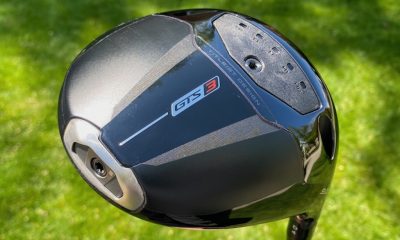
GolfWRX Launch Report: 2026 Titleist GTS drivers
-

 Equipment2 weeks ago
PGA Championship Tour Report: Fitzpatrick, Koepka among big-name putter switches for Aronimink
-

 News2 weeks ago
WITB Time Machine: Phil Mickelson’s winning WITB, 2021 PGA Championship
-

 Equipment2 weeks ago
Which of Tiger’s major winning irons are your favorite? – GolfWRXers discuss
-

 Equipment2 weeks ago
Lead Tape Report: Adjusting the swingweight of the Wanamaker Trophy


Mark
Jan 28, 2016 at 12:08 pm
I doubted Davemac’s £145 RRP for the UK market but an e-mail from Titleist today confirmed it. Our Pro was ringing the rep to ask why a 30% price rise when inflation in Britain is negligible and clubs are struggling to keep members….and cutting his order. Crazy pricing and wholly unjustified.
Gary
Jan 27, 2016 at 11:09 am
Basically copying the idea of Dynacraft golf VLS wedges from 2013 in which there are two adjustable weights in their 52, 56, 60 deg. wedges. Move the heavier weight (17 gram) higher in the head for lower launch or put it lower in the head for higher launch.
Bar
Jan 27, 2016 at 11:00 am
3-5 yards more with a wedge? is that including half , three quarter , and bunker shots, The lunatics have definitely taken over the asylum.
Ryan
Jan 26, 2016 at 3:10 pm
Am I the only person on here that hates a raw finish or a wedge that ends up that way? Why do I want to spend all of that money on something that’s going to rust? I never have glare issues and I don’t think that there is a spin benefit, so can anyone shine some light on this for me?
Mike
Jan 26, 2016 at 4:47 pm
Love rusty wedges!
Alex
Jan 26, 2016 at 5:58 pm
I think most people just like the look of a raw or “rusted” wedge. If you haven’t had an occurrence with glare from chrome plated wedges I assure you, you will. There is nothing worse than in the middle of the afternoon with the sun right above you, and you have a short sided bunker shot and you open up the face of your wedge and you are literally blinded.
Matto
Jan 26, 2016 at 11:34 pm
They won’t rust if you treat them well.
Got my raw SM5’s as soon at they came out. Not a speck of rust on them.
KK
Jan 28, 2016 at 3:46 am
In all honesty, I think its the idea of playing what the pros play. Look at the wedges in the WITB pics on this site. A ton of tour pros have wedges with rust marks on them. Tour pros practice so damn much, they are literally wearing the protective finish off of the club so inevitablly the wedge is going to rust if not kept dry. Someone should post an article with some science that proves rust on a wedge produces more spin.
Removed
Jan 26, 2016 at 2:39 pm
I think the weight CG is the lower lofts is a plus if it increases ball speed, but why would I want lower launch if Im hitting a full 60°? If i wanted to hit a lower shot I would move the ball back or hit my 56° or my 52°. What is the rational behind this?
Vokey limiting my ability to have a high launch shot with my 60°? You got this wrong Bob. Who’s been in your ear? Its easy enough to shoot a ball in lower with your 60° if you want. Very easy. So dont take away my ability to hit high launch.
davemac
Jan 26, 2016 at 10:46 am
I was very keen on these, the changes look exactly what I am after. I have two SM5’s a 54 I love and a 50 that is just so so. I have been waiting to order a 58 / 60 and lowering the CG in the 50 might make all the difference, ideal
Then I looked at the price hike!
Davemac
Jan 26, 2016 at 3:38 pm
UK SM 6 Recommended Retail Price £145
UK SM5 Recommended Retail Price £109
Ian
Jan 26, 2016 at 9:17 am
200rpm more – can anyone (unbiased) confirm this?
Kevin
Jan 26, 2016 at 9:09 am
No raw finish? Let’s go BV give us what we really want!
RH
Jan 26, 2016 at 9:37 am
The article says the jet black finish will go raw.
Alex
Jan 26, 2016 at 5:59 pm
The Jet Black finish is supposed to be able to be removed easily.
Kevin
Jan 26, 2016 at 8:25 pm
I don’t want black that goes raw. I want raw. I’m confident I’m not the only one. Besides I have the black Sm5 that rusts and it’s still black so unless you work for Vokey I’m not buying what you’re selling.
Matto
Jan 26, 2016 at 11:38 pm
Yeah I’ve got the black “raw” sm5’s also. Not a speck of rust on them after all this time.
mp-4
Jan 27, 2016 at 1:02 am
Exactly. Never heard anyone request a ‘steel grey’ finish.
Why not Tour Chrome, Black and Raw?
It’s probably because of a potential problem with returns.
Can imagine people complaining about how their wedge must be defective because it rusted.
KK
Jan 28, 2016 at 3:56 am
Good point, but I’m not sure it’s returns. I would go with Bob Vokey and Titleist think that if someone has Titleist wedges in their bag that are all rusted and someone who sees them and doesn’t know they are supposed to be that way (only golf dorks like people on golfwrx know this by the way) will think: Titleist wedges cost $120+ and they rust over time, what a rip off. Thus hurting the brand integrity.
Mike
Jan 29, 2016 at 9:20 am
The SM5 wedges are available in RAW on Vokey’s Wedge Works site. Perhaps he’ll do the same with the SM6?
Slowhand
Mar 7, 2016 at 9:16 am
I bought the steel gray. It is the first year I think for that color and I like the finish. Chrome is too bright and I don’t like jet black wedges among my set of clubs. I did like the darker finish option on the SM4 but not seen that exact lighter version of dark since then. I don’t like raw wedges.
Garrett
Feb 4, 2016 at 12:06 pm
Probably will get a 1 year raw release to spike sales. Then SM7 in 2 years without raw option…so on and so forth
A
Jan 26, 2016 at 8:35 am
Where can I get fitted for these?
Mike
Jan 29, 2016 at 9:26 am
Sleepy Hollow Country Club in NY not far from New York City if you live in the northeast. They are a regional Titleist fitting account. You can hit everything Titleist has with any shaft they offer using premium balls and Trackman. I went through a wedge fitting last year with Kevin there director of instruction. And the price is way cheaper than going to the main headquarters. $175.00 per hour I think. And you can do a lot in an hour. Probably driver plus iron fitting or irons and wedges. Whatever you need.